India's economy less vulnerable to monsoon shocks, says Bernstein report
Synopsis
A Bernstein report published in July 2025 argues that India has structurally decoupled its economy from monsoon risk — irrigated land now covers 60 per cent of cultivated area, Kharif’s share of foodgrain output has fallen from 60 per cent to 47 per cent, and a record 121-million-tonne wheat harvest provides a near-term buffer. The real risk, the report warns, is not this season’s rainfall but long-run groundwater depletion.
Key Takeaways
India’s irrigated farmland now covers nearly 60 per cent of total cultivated land, up from 42 per cent in the early 2000s, according to a Bernstein report.
Kharif crops accounted for only 47 per cent of total foodgrain output in 2025-26 , down from nearly 60 per cent in the 1990s.
India recorded rising foodgrain production despite below-normal monsoons in 2018-19 and 2023-24 .
A record wheat harvest of around 121 million tonnes and strong irrigation in Punjab , Haryana , and Uttar Pradesh are expected to buffer near-term rainfall shortfalls.
Longer-term risks include accelerating groundwater depletion and rising electricity demand from farm-sector irrigation.
India's economy has grown significantly less susceptible to monsoon disruptions over the past decade, with expanded irrigation networks and diversified cropping calendars shielding agriculture and rural demand from the kind of systemic shocks that once defined bad rainfall years, according to a report by brokerage and research firm Bernstein. The findings, published in July 2025, point to a structural transformation in Indian agriculture that warrants a fundamental rethink of how monsoon risk is priced into economic forecasts.
How the Monsoon-Economy Link Has Weakened
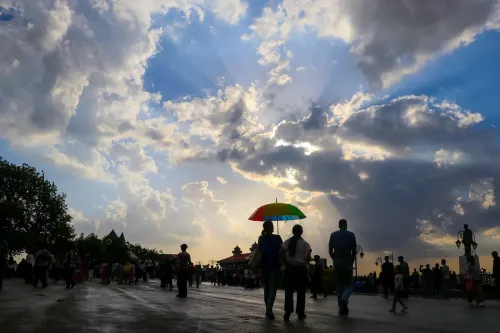
Historically, a deficient monsoon was a near-automatic trigger for agricultural distress. In 2002, rainfall fell to just 81 per cent of the long-period average, causing a steep decline in foodgrain production and a severe contraction in rural disposable incomes. That direct transmission mechanism has since weakened considerably.
India continued to register rising foodgrain output despite below-normal monsoons in both 2018-19 and 2023-24, the Bernstein report notes. “Monsoons aren’t impacting India the way they used to, and the changing dynamics warrant a reset in how we perceive rainfall and its effects,” the report states.
Irrigation Expansion and Cropping Shifts
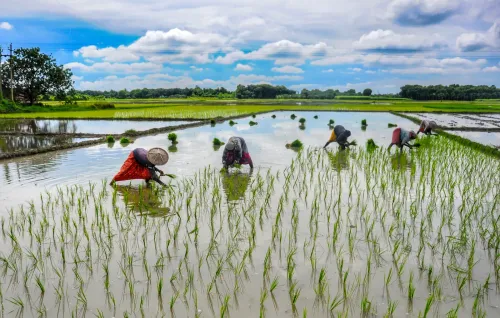
The primary driver of this resilience is a dramatic expansion in irrigated farmland. India’s irrigated area now covers nearly 60 per cent of total cultivated land, up from approximately 42 per cent in the early 2000s. In major agricultural states, irrigation coverage has risen to around 67 per cent from 54 per cent in 2009, with tubewells and canals acting as critical buffers against rainfall shortfalls.
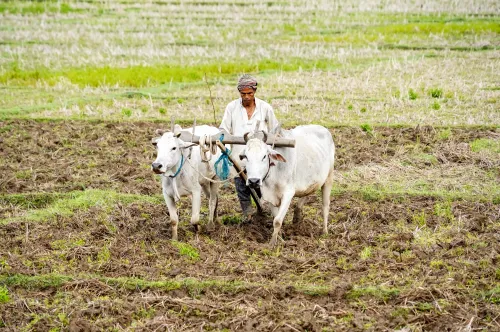
Simultaneously, dependence on the monsoon-reliant Kharif season has fallen sharply. Kharif crops, which accounted for nearly 60 per cent of total foodgrain production through the 1990s, contributed only 47 per cent of total output in 2025-26. Rabi crops and a relatively new summer sowing season running from February to May have steadily absorbed a larger share of annual production.
Food Inflation and Rural Demand Outlook
These structural changes mean poor monsoons are no longer an immediate food-security threat, according to the report. “While low rainfall is still harmful, it is unlikely to kill rural demand like it had in the past,” Bernstein observes. The impact of a deficient monsoon is now expected to be more localised — affecting specific categories such as pulses and vegetables rather than triggering a broad-based price surge.
A record wheat harvest of around 121 million tonnes and improved irrigation in key states including Punjab, Haryana, and Uttar Pradesh are expected to cushion any near-term impact of delayed rainfall. On Kharif sowing, the report cautions against alarm: although only about 8 per cent of the normally cultivated area had been sown by mid-June, this is broadly in line with historical trends, as the bulk of Kharif sowing typically occurs in the second week of July.
Longer-Term Risks: Groundwater and Power Demand
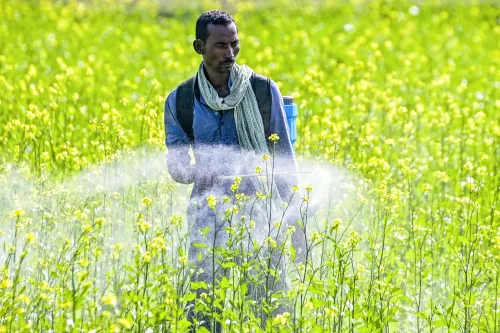
Despite the improved near-term outlook, the Bernstein report flags a more insidious long-term challenge. Poor rainfall intensifies dependence on groundwater-fed irrigation, driving up electricity demand from the farm sector and straining already-depleted water reserves. Reservoir levels have reportedly fallen to among their lowest in recent years, a warning sign that structural resilience today may come at a cost to resource sustainability tomorrow.
Point of View
In effect, been purchased on credit from its aquifers. The policy conversation needs to shift from ‘can we survive a bad monsoon?’ to ‘how long can we sustain the systems that help us survive it?’ That question is conspicuously absent from most economic forecasting frameworks.
NationPress
7 Jul 2026
Frequently Asked Questions
Why is India’s economy less dependent on the monsoon now?
India has expanded irrigated farmland from about 42 per cent of cultivated land in the early 2000s to nearly 60 per cent today, while diversifying into Rabi and summer cropping seasons. This means a deficient monsoon no longer automatically translates into falling foodgrain output or collapsed rural incomes.
What did the Bernstein report say about India and monsoon risk?
The Bernstein report, published in July 2025, concluded that monsoons are no longer impacting India the way they once did. It noted that India posted rising foodgrain production even during below-normal monsoon years in 2018-19 and 2023-24, and called for a reset in how rainfall risk is assessed.
How has the Kharif season’s importance changed?
Kharif crops, which are sown during the monsoon season, contributed only 47 per cent of total foodgrain output in 2025-26, down from nearly 60 per cent in the 1990s. Rabi crops and a newer summer sowing season from February to May have steadily gained share.
Is food inflation still a risk if the monsoon is deficient?
According to the Bernstein report, food inflation risks are now more contained and concentrated in specific categories such as pulses and vegetables, rather than causing a broad-based price surge. A record wheat harvest of around 121 million tonnes provides an additional near-term cushion.
What are the longer-term risks despite this agricultural resilience?
The Bernstein report warns that heavier reliance on groundwater-fed irrigation during low-rainfall years accelerates aquifer depletion and raises electricity demand from the farm sector. Reservoir levels have already fallen to among their lowest in recent years, flagging a sustainability concern beyond the immediate season.