India's agri sector better shielded from El Niño in 2026: Elara Capital report
Synopsis
Despite NOAA assigning up to a 70% probability of El Niño developing by mid-2026, Elara Capital argues India's farm sector is structurally better prepared than in past cycles — with irrigation expansion, income diversification, and two years of above-normal rainfall providing a meaningful buffer that didn't exist two decades ago.
Key Takeaways
Elara Capital report says India's agriculture sector is better insulated from El Niño in 2026 due to structural changes in rural India.
NOAA has assigned up to a 70 per cent probability of El Niño developing between June and August 2026 , with a one-in-four chance of a strong event.
IMD forecasts monsoon rainfall at 92 per cent of the long-period average (LPA), with a 35 per cent probability of sub-90 per cent LPA rainfall.
Agriculture now contributes roughly one-third of rural household income, down from historical highs, reducing weather-linked vulnerability.
Historical El Niño impact on farm GVA has weakened since 2004 , even during comparable rainfall shortfalls.
Sectors including two-wheelers , FMCG , and fertilisers have shown resilience in past El Niño episodes, supporting rural demand outlook.
India's agriculture sector is significantly better insulated from the impact of El Niño this year, thanks to structural shifts including diversified rural income sources, expanded irrigation coverage, and stronger credit access, according to a report by Elara Capital. The findings suggest that while El Niño risks to agricultural output, inflation, and rural demand remain valid, their transmission to farm growth and incomes has materially weakened.
Key Structural Buffers in Place
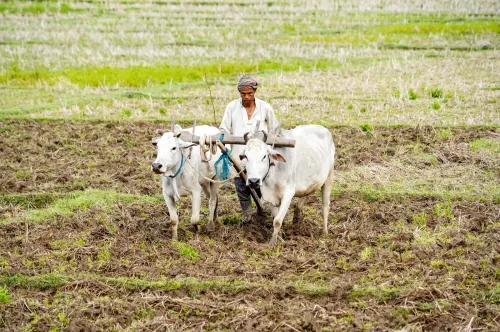
The Elara Capital report identified several factors collectively strengthening the farm sector's resilience. These include expanded irrigation coverage, crop and income diversification, higher minimum support prices (MSP), improved credit penetration, and rising non-farm rural earnings.
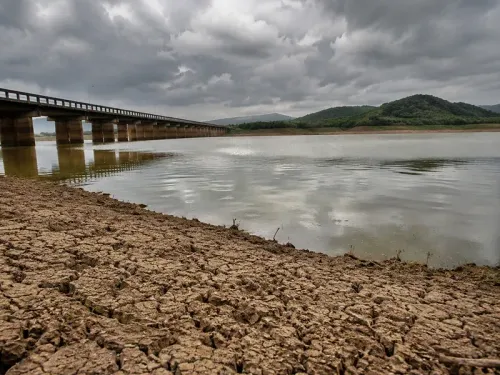
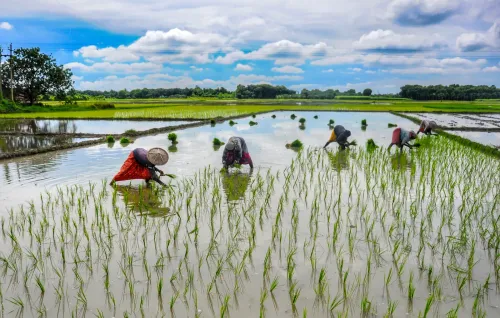
Reservoir levels across rural India remain supportive, aided by two consecutive years of above-normal monsoon rainfall. This water buffer is expected to cushion any near-term weather-related shocks to the kharif sowing season.
Notably, the timing of a potential strong El Niño event — likely to peak after the main sowing season — may also limit damage to summer crops, further reducing the risk of a broad agricultural downturn.
El Niño Probability and Monsoon Outlook
The National Oceanic and Atmospheric Administration (NOAA) has assigned up to a 70 per cent probability of El Niño developing between June and August 2026, with a one-in-four chance of it turning into a strong event lasting through the end of the year.
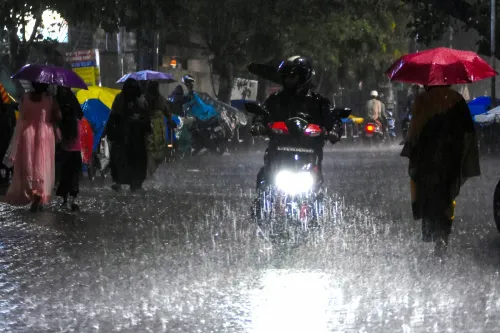
Meanwhile, the India Meteorological Department (IMD) has forecast monsoon rainfall at 92 per cent of the long-period average (LPA), with a 35 per cent probability of rainfall falling below 90 per cent of LPA — a threshold that has historically triggered agricultural stress.
Historical Link Between El Niño and Farm GVA Has Weakened
The report highlighted that the historical relationship between El Niño events and agricultural gross value added (GVA) has weakened considerably over time. While most El Niño episodes between 1982 and 2002 negatively impacted farm growth, only a handful of instances since 2004 have shown similar effects despite comparable rainfall shortfalls.
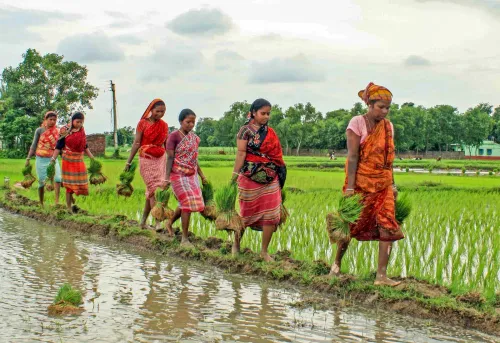
This comes amid a broader structural shift in rural India's economic base. Agriculture now contributes roughly one-third of household income, supplemented by wages, non-farm businesses, salaried employment, and livestock earnings — reducing the sector's dependence on any single weather-driven variable.
Rural Demand and Financial Resilience
Past El Niño episodes have not significantly dented rural demand, according to the report, with sectors such as two-wheelers, fertilisers, and fast-moving consumer goods (FMCG) showing resilience during such periods.
The report also flagged rising use of gold loans in rural and semi-urban areas as an emerging financial buffer, helping households manage liquidity during periods of agricultural stress — a coping mechanism that has grown notably in recent years.
What to Watch
The actual trajectory of the 2026 southwest monsoon and the precise timing of any El Niño intensification will remain critical variables for farm output and rural consumption in the months ahead. Analysts and policymakers will closely track IMD updates and reservoir levels as the sowing season progresses.
Point of View
But it should not be read as an all-clear. The structural buffers it cites — irrigation expansion, income diversification, gold loans — are real, but unevenly distributed across states and cropping systems. Rain-fed agriculture in states like Madhya Pradesh and Maharashtra remains highly exposed. The more important signal is the IMD's 35 per cent probability of sub-90 per cent LPA rainfall, which, if realised alongside a strong El Niño, could still stress kharif output and rural purchasing power in vulnerable pockets — even if the national aggregate holds up.
NationPress
24 Sept 2026
Frequently Asked Questions
What is El Niño and how does it affect India's monsoon?
El Niño is a periodic climate pattern characterised by warming of the central Pacific Ocean, which typically weakens the southwest monsoon over India, leading to below-normal rainfall. Reduced monsoon rains can hurt kharif crop output, raise food inflation, and dampen rural demand.
Why is India's agriculture sector considered better protected from El Niño in 2026?
According to an Elara Capital report, structural changes including expanded irrigation coverage, crop and income diversification, higher MSP, improved credit access, and two consecutive years of above-normal monsoon rainfall have collectively strengthened the farm sector's resilience. Agriculture now accounts for only about one-third of rural household income, reducing weather-linked vulnerability.
What has NOAA said about El Niño probability in 2026?
The National Oceanic and Atmospheric Administration (NOAA) has assigned up to a 70 per cent probability of El Niño developing between June and August 2026, with a one-in-four chance of it becoming a strong event lasting through the end of the year.
What is the IMD's monsoon forecast for 2026?
The India Meteorological Department (IMD) has forecast monsoon rainfall at 92 per cent of the long-period average (LPA) for 2026, with a 35 per cent probability of rainfall falling below 90 per cent of LPA — a level historically associated with agricultural stress.
Has El Niño historically hurt rural demand in India?
According to the Elara Capital report, past El Niño episodes have not significantly dented rural demand. Sectors such as two-wheelers, fertilisers, and FMCG have shown resilience during such periods, suggesting that diversified rural incomes help sustain consumption even during weather-driven agricultural stress.