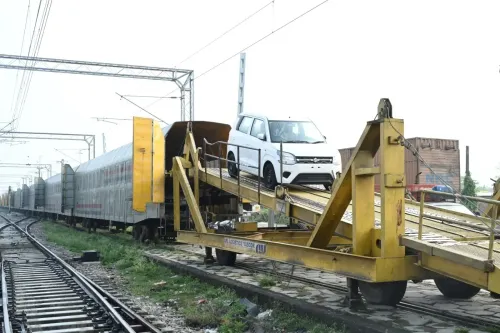
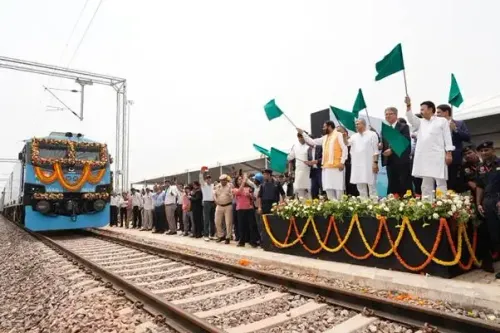
India's first salt container train links Kutch's Shivlakha to Mithapur
Synopsis
Indian Railways has quietly solved a decades-old problem for Gujarat's salt industry: a purpose-built stainless-steel container train now runs from Kutch's Shivlakha terminal to Mithapur, shielding salt from moisture, boosting load capacity, and cutting logistics costs — a model that could be replicated for other bulk commodities nationwide.
Key Takeaways
Indian Railways launched India's first specialised salt container train on 15 September , connecting Shivlakha Gati Shakti Cargo Terminal in Kutch to Mithapur .
Containers are made of lightweight stainless steel , loaded from the top and unloaded from the side to maximise salt volume per trip.
The stainless-steel design protects salt from rain and moisture during transit — a key improvement over conventional open wagons.
The service is expected to reduce logistics costs and provide direct economic benefits to Gujarat's salt producers and traders.
Gujarat Deputy Chief Minister Harsh Sanghavi called it a 'transformative step' and shared images of the train on X .
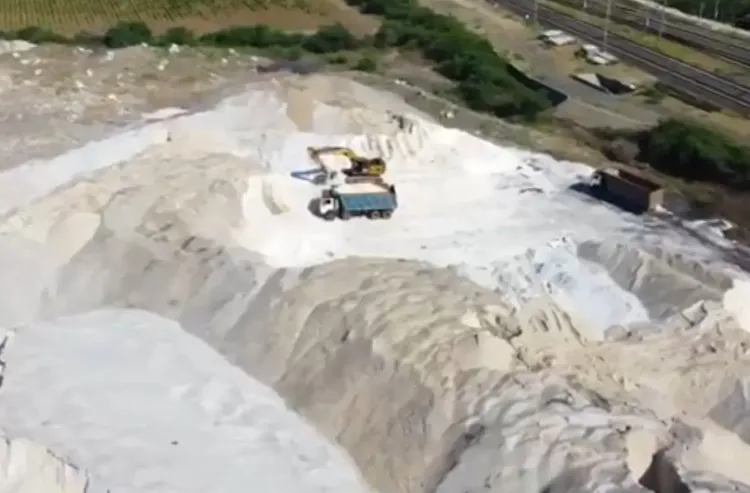
Gujarat accounts for the bulk of India's salt output; the country is the world's third-largest salt producer .
Indian Railways launched the country's first specialised salt container train service on 15 September, connecting the Shivlakha Gati Shakti Cargo Terminal in Kutch, Gujarat to Mithapur — a milestone that officials say will fundamentally reshape how salt moves from one of India's most productive salt-producing regions to markets across the country.
How the New Service Works
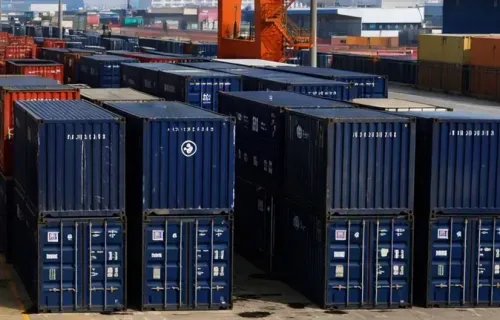
The train operates between the Gati Shakti Cargo Terminal in Kutch and Mithapur, deploying specially engineered, lightweight stainless-steel containers designed for salt-specific logistics. These containers are loaded from the top and unloaded from the side, a configuration that maximises payload efficiency by striking an optimal balance between container weight and salt volume.
Critically, the stainless-steel construction shields the cargo from rain and moisture during transit — a persistent challenge under the older, open-wagon transportation model. According to officials, the new system also addresses longstanding pain points around loading, unloading, and handling at both ends of the supply chain.
Economic Impact on Gujarat's Salt Sector
The Kutch region is among India's largest salt-producing zones, and the absence of a dedicated, weather-protected freight option had long constrained the sector's logistics efficiency. The new rail service is expected to lower logistics costs for salt producers and traders, translating into direct economic benefits for those operating across the supply chain.
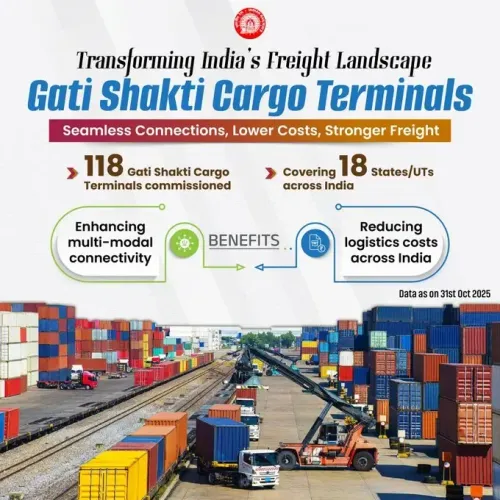
This comes amid the broader Gati Shakti National Master Plan push, under which dedicated cargo terminals have been developed to integrate rail freight more tightly with industrial clusters. The Shivlakha terminal is one such facility, purpose-built to serve the region's commodity export needs.
What Gujarat's Deputy Chief Minister Said
Gujarat Deputy Chief Minister Harsh Sanghavi praised the initiative, calling it a 'transformative step' in salt transportation. In a post on X — where he also shared photographs of the Mithapur-bound train — Sanghavi wrote: 'Look how transformation unfolds! India's first specialised salt container train between Shivlakha and Mithapur in Kutch, ensuring better salt quality, higher loading capacity, and more efficient, weather-protected transportation.'
Significance for the Broader Salt Industry
India is the world's third-largest salt producer, and Gujarat accounts for the bulk of domestic output. Despite this scale, the salt industry has historically relied on conventional freight methods ill-suited to the commodity's sensitivity to moisture and contamination. The introduction of purpose-built containers marks a structural upgrade — one that industry observers say could serve as a template for other moisture-sensitive bulk commodities transported by rail.
With the inaugural run now complete, the focus shifts to scaling frequency and assessing whether the model can be extended to other salt-producing clusters along India's western coastline.
Point of View
Yet the industry has long punched below its weight on freight efficiency — open wagons, moisture damage, and high handling costs were structural drags. The stainless-steel container model addresses all three at once, and if it scales, it offers a replicable blueprint for other moisture-sensitive bulk commodities. The deeper story is the Gati Shakti framework quietly delivering sector-specific solutions rather than generic infrastructure — that is the pattern worth tracking, not just this single inaugural run.
NationPress
24 Oct 2026
Frequently Asked Questions
What is India's first salt container train and where does it run?
It is a specialised freight train launched by Indian Railways on 15 September, running between the Shivlakha Gati Shakti Cargo Terminal in Kutch, Gujarat, and Mithapur. It uses purpose-built stainless-steel containers designed specifically for transporting salt safely and efficiently.
Why are stainless-steel containers used for this salt train?
Stainless-steel containers are lightweight yet durable, allowing an optimal balance between container weight and salt payload. Their sealed design also protects the salt from rain and moisture during transit, addressing a major quality concern with older open-wagon methods.
How does this salt container train benefit Gujarat's salt industry?
The new service reduces logistics costs, improves salt quality by preventing moisture contamination, and increases loading capacity per trip. Kutch is one of India's largest salt-producing regions, and the dedicated rail link makes distribution to the rest of the country significantly easier.
What did Gujarat Deputy Chief Minister Harsh Sanghavi say about the initiative?
Sanghavi called it a 'transformative step' in salt transportation. In a post on X, he wrote: 'India's first specialised salt container train between Shivlakha and Mithapur in Kutch, ensuring better salt quality, higher loading capacity, and more efficient, weather-protected transportation.'
Could this salt container train model be extended to other commodities?
Industry observers suggest the stainless-steel container design could serve as a template for other moisture-sensitive bulk commodities transported by rail. The next step is scaling service frequency and evaluating whether the model can be rolled out to other salt-producing clusters along India's western coastline.