How is India Becoming a Key Player in the Global Seaweed Economy?

Synopsis
India is on the brink of becoming a significant contributor to the global seaweed market, fueled by rising domestic demand and innovative applications. The recent India International Seaweed Expo highlighted the immense potential seaweeds hold for economic growth and environmental sustainability. Discover how this sector is evolving and what it means for India's future.
Key Takeaways
India is set to be a major player in the global seaweed economy.
Domestic demand for seaweed products is rapidly increasing.
Innovative applications span multiple industries, enhancing economic potential.
Seaweed farming contributes to climate change mitigation and biodiversity.
Collaboration across sectors is essential for maximizing benefits.
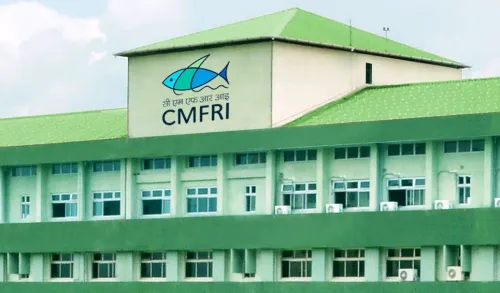
Kochi, Jan 30 (NationPress) With the surge in domestic consumption, the growth of industrial applications, and supportive policy initiatives, India is set to become a powerful player in the global seaweed economy in the coming two decades. This insight was shared on Saturday during the seventh India International Seaweed Expo and Summit at the ICAR–Central Marine Fisheries Research Institute (CMFRI).
The two-day expo and summit, organized in collaboration with the Indian Chamber of Commerce, CMFRI, and the Central Salt and Marine Chemicals Research Institute (CSMCRI), highlighted the rapidly growing commercial, industrial, and environmental opportunities presented by seaweeds, establishing them as a key element of India's blue economy goals.
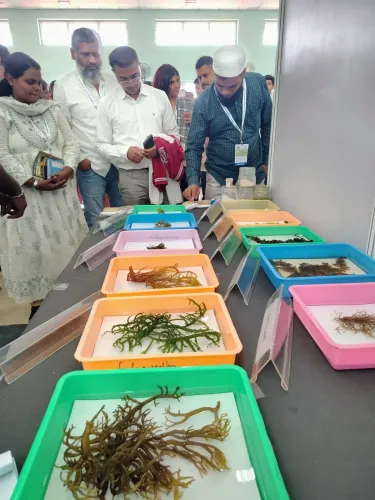
Exhibits showcased the transformation of marine algae into high-value products, ranging from food and nutrition to cosmetics, pharmaceuticals, bioplastics, and climate solutions.
Stalls featured an array of products, including seaweed-based nutritional powders, snacks, jams, sauces, and natural gelling agents like carrageenans, as well as cosmetics, nutraceuticals, bio-stimulants, animal feed, handmade paper, and biodegradable plastic substitutes.
Stevan Hermans, a seaweed industry analyst from Belgium, pointed out that India is becoming one of the most promising future markets as both a consumer and processor.
"India is projected to see an increase of nearly 600 million individuals entering the middle class over the next 25 years, making it a significant upcoming consumer of seaweed-derived products," he noted, emphasizing that the demand for carrageenan—used in food, pharmaceuticals, and personal care—is expected to outpace growth in many established markets.
Rapidly growing segments in India, such as seaweed-based biostimulants and alternatives to plastics, are expanding at approximately 10 percent annually and could necessitate up to 1.16 million tonnes of seaweed by 2030, raising concerns about future global supply.
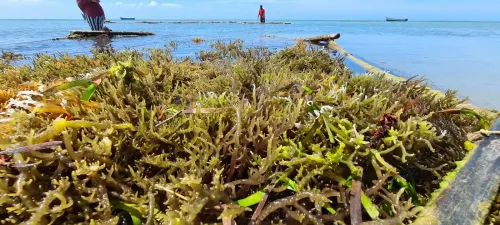
Experts pointed out that with its extensive coastline and strategic push under the Blue Economy initiative, India has the potential to boost commercial cultivation to meet this demand.
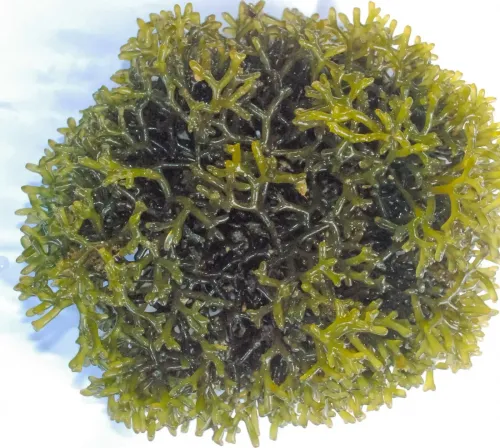
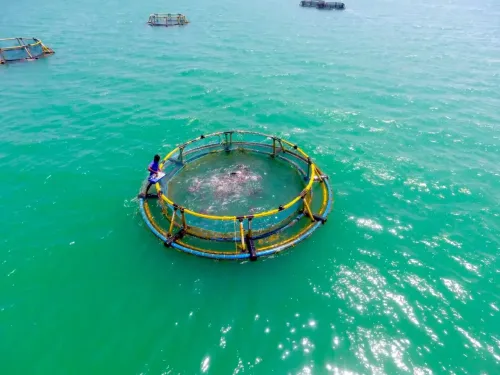
A highlight of the expo was the CMFRI stall, which demonstrated seaweed cultivation techniques, including Integrated Multi-Trophic Aquaculture (IMTA), tube-net, and raft methods, alongside both native and exotic seaweed species found in Indian waters.
Beyond commercial interests, scientists emphasized the climate mitigation advantages of seaweeds.
"Seaweeds show exceptionally high primary productivity, sequestering between 2 and 10 grams of carbon per square meter daily," explained Divu D, Senior Scientist at CMFRI, indicating that farming could significantly bolster blue carbon storage.
Furthermore, seaweed farming enhances coastal resilience by improving water quality and fostering biodiversity.
Experts stressed the importance of strengthening connections across cultivation, value addition, and marketing to fully realize the economic and ecological potential of this sector.
Point of View
The seaweed sector represents a significant opportunity for India to enhance its economic stature while promoting environmental sustainability. The ongoing developments indicate a robust commitment to tapping into marine resources, which could lead to job creation and innovation. It is crucial for stakeholders to collaborate effectively to harness this potential fully, ensuring that India's goals align with global environmental commitments.
NationPress
14 Sept 2026
Frequently Asked Questions
What are the primary applications of seaweeds?
Seaweeds are utilized in various sectors including food and nutrition, cosmetics, pharmaceuticals, bioplastics, and environmental solutions.
How much seaweed does India need by 2030?
India may require up to 1.16 million tonnes of seaweed by 2030 to meet the demands of rapidly expanding markets.
What is the Blue Economy initiative?
The Blue Economy initiative aims to promote sustainable use of ocean resources for economic growth while ensuring the health of ocean ecosystems.
How do seaweeds contribute to climate mitigation?
Seaweeds can sequester significant amounts of carbon, enhancing blue carbon storage and contributing to climate change mitigation efforts.
What are some seaweed cultivation technologies?
Technologies such as Integrated Multi-Trophic Aquaculture (IMTA), tube-net, and raft methods are used for seaweed cultivation.