India's heritage push: 45 UNESCO sites, 615 antiquities repatriated, 1.19 crore manuscripts digitised
Synopsis
India has quietly assembled one of its largest-ever cultural preservation architectures — spanning ₹10,000+ crore in active tourism schemes, 615 repatriated antiquities, 1.19 crore catalogued manuscripts, and 45 UNESCO World Heritage Sites. The Vadnagar Archaeological Experiential Museum and AI-driven language platforms signal a shift from passive conservation to active, technology-enabled cultural engagement.
Key Takeaways
13.59 million visitors recorded at centrally-protected monuments in FY 2024–25 under the Adopt a Heritage 2.0 scheme.
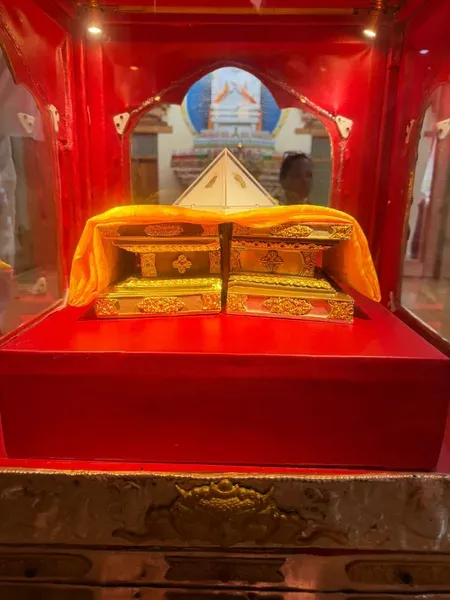
615 antiquities repatriated over five years, including the Piprahwa Buddha relics (after 127 years) and the Goddess Annapurna idol from Canada (after 108 years).
Swadesh Darshan and Swadesh Darshan 2.0 together represent over ₹7,498 crore in sanctioned tourism infrastructure across 129 projects .
The Gyan Bharatam Mission has catalogued over 1.19 crore manuscripts ; 4.40 lakh are now publicly accessible online.
India's first Archaeological Experiential Museum at Vadnagar, Gujarat — built at ₹298 crore — displays over 5,000 artefacts with a live excavation site.
India now holds 45 UNESCO World Heritage Sites and hosted the 46th World Heritage Committee session in New Delhi in 2024 .
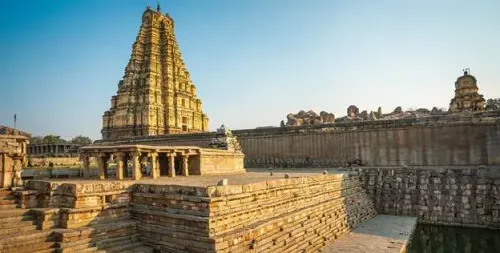
India is mounting one of its most comprehensive cultural preservation drives in recent memory, combining monument conservation, antiquity repatriation, museum expansion, and large-scale digitisation to reinforce national identity and boost heritage tourism. The multi-scheme effort, spanning several Union ministries, has drawn 13.59 million visitors to protected monuments in FY 2024–25 alone and placed India at 45 UNESCO World Heritage Sites — a milestone underscored when New Delhi hosted the 46th World Heritage Committee session in 2024.
Conservation and Tourism Infrastructure
The Adopt a Heritage 2.0 scheme, launched in September 2023, has signed 30 MoUs to develop visitor amenities at nationally protected monuments. The PRASHAD scheme — focused on pilgrimage infrastructure — has sanctioned 54 projects across 28 States and Union Territories at a total outlay of ₹1,726.74 crore, with 32 projects completed by December 2025.
The Swadesh Darshan scheme has backed 76 projects worth ₹5,290.33 crore across 15 thematic circuits, of which 75 are complete. Its successor, Swadesh Darshan 2.0, has sanctioned 53 destination-centric projects worth ₹2,208.31 crore, while the Challenge Based Destination Development component has cleared 38 additional projects at an investment of ₹697.94 crore.
The Archaeological Survey of India (ASI) safeguards 3,686 centrally-protected monuments through 38 circles and received ₹374 crore for conservation work in FY 2024–25. The National Mission on Monuments and Antiquities has documented 1.84 lakh monuments and 17.20 lakh antiquities. The now-concluded HRIDAY scheme transformed 12 heritage cities by integrating urban planning with conservation, improving cleanliness, safety, tourism infrastructure, and local livelihoods.
Repatriation of Cultural Treasures
India's diplomatic push to recover stolen and displaced cultural property has yielded significant results. Among the most symbolically important returns: the Piprahwa relics of Lord Buddha, recovered after 127 years; the Goddess Annapurna idol, repatriated from Canada after 108 years; and bronze idols of Rama, Sita, and Lakshmana, returned from the United Kingdom.
Over the past five years, a total of 615 antiquities have been retrieved from abroad. Sacred Buddha relics were exhibited internationally in Vietnam — drawing over 15 million devotees — as well as in Kalmykia, Bhutan, and Sri Lanka, with domestic showings in New Delhi and Ladakh.
Museum Development and New Infrastructure
Museum infrastructure has expanded under the Museum Grant Scheme, which sanctioned ₹184.39 crore over five years. India's first Archaeological Experiential Museum, located at Vadnagar, Gujarat and built at a cost of ₹298 crore, now displays over 5,000 artefacts alongside a live open excavation site — a format designed to make archaeology accessible to general visitors. This comes amid a broader government push to reposition museums as active cultural institutions rather than passive repositories.
Digitisation and Technology-Enabled Preservation
The Gyan Bharatam Mission and National Manuscript Survey have catalogued more than 1.19 crore manuscripts, with over 4.40 lakh accessible on the Gyan Bharatam portal. Museum collections digitised through JATAN software now cover 3,75,707 artefacts.
AI-driven platforms — BHASHINI, BharatGen, and Adi-Vaani — are being deployed to support language preservation and translation across scheduled and tribal languages. The Vedic Heritage Portal safeguards oral traditions, while the National Film Heritage Mission has digitised 1,469 film titles to preserve India's cinematic legacy.
Outlook
With schemes at varying stages of completion and fresh investment continuing to flow, the government's cultural agenda appears set to accelerate ahead of key national milestones. Whether the scale of digital access and on-ground infrastructure translates into sustained community benefit — particularly for local economies around heritage sites — will be the longer-term measure of success.
Point of View
Particularly the Piprahwa relics and the Annapurna idol, are diplomatically significant and symbolically resonant. The harder question is whether the ₹10,000+ crore committed to tourism circuits is improving livelihoods for communities living around heritage sites, or primarily benefiting contractors and state tourism corporations. The digitisation push — 1.19 crore manuscripts catalogued — is meaningful only if researchers and citizens can actually access and use the material; portal usability and language barriers remain underreported obstacles.
NationPress
29 Sept 2026
Frequently Asked Questions
How many antiquities has India repatriated in the last five years?
India has retrieved 615 antiquities over the past five years, including the Piprahwa relics of Lord Buddha after 127 years and the Goddess Annapurna idol from Canada after 108 years. Bronze idols of Rama, Sita, and Lakshmana were also returned from the United Kingdom.
What is the Gyan Bharatam Mission?
The Gyan Bharatam Mission is a government initiative to survey and digitise India's manuscript heritage. It has catalogued over 1.19 crore manuscripts, with more than 4.40 lakh available on the Gyan Bharatam portal for public access.
What is India's first Archaeological Experiential Museum?
It is a museum at Vadnagar, Gujarat, built at a cost of ₹298 crore, displaying over 5,000 artefacts alongside a live open excavation site. It is designed to make archaeology interactive and accessible to general visitors.
How many UNESCO World Heritage Sites does India have?
India currently has 45 UNESCO World Heritage Sites. New Delhi also hosted the 46th World Heritage Committee session in 2024, reinforcing India's standing in global heritage governance.
What are the Swadesh Darshan and PRASHAD schemes?
Swadesh Darshan is a government scheme that has funded 76 tourism circuit projects worth ₹5,290.33 crore, of which 75 are complete. Its successor, Swadesh Darshan 2.0, has sanctioned 53 destination-centric projects worth ₹2,208.31 crore. PRASHAD focuses on pilgrimage infrastructure, sanctioning 54 projects across 28 States and Union Territories at ₹1,726.74 crore, with 32 completed by December 2025.