India's Road Network Growth Surges by 60% in Just Over a Decade
Synopsis
Discover how India's road infrastructure has transformed over the past eleven years, becoming the second largest in the world. With major expansions planned, the future of transportation in India looks promising.
Key Takeaways
India's road network has expanded by 60% in 11 years.
National highways now cover 1,46,560 km.
57,125 km of highways constructed in the last five years.
Budget for national highways increased by over 500% since 2013.
18,000 km of expressways targeted for operationalization by 2028-29.
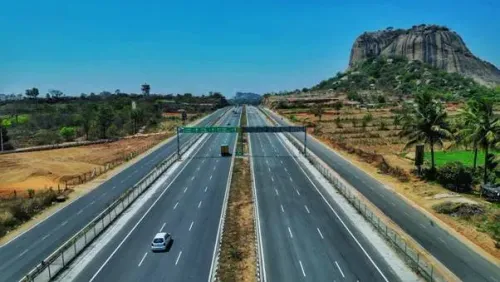
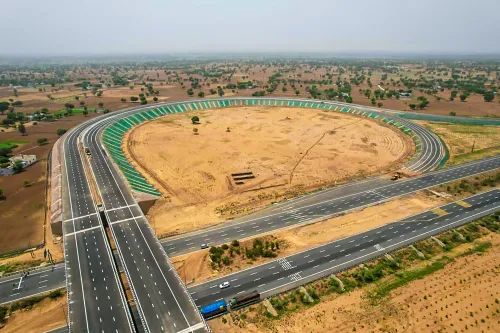
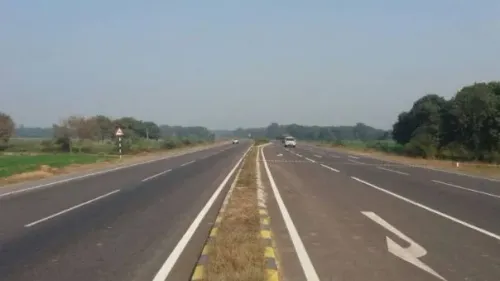
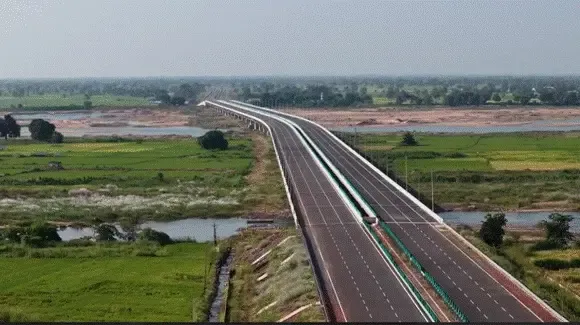
New Delhi, March 10 (NationPress) Over the past 11 years, India has witnessed a significant expansion of its road infrastructure, making it the second-largest road network globally, with national highways covering an impressive 1,46,560 km, based on official statistics.
In the last five years alone, the government has successfully built 57,125 km of National Highways, averaging an impressive 34,215 lane-km annually. This extensive development has resulted in the generation of approximately 33 crore person-days of jobs, encompassing both direct and indirect employment, as reported by the Ministry of Road Transport & Highways (MoRTH) and presented in Parliament recently.
This remarkable growth, spurred by initiatives such as Bharatmala, has led to a 61% increase in the National Highway network, rising from 91,287 km in 2014 to 1,46,560 km by 2025, according to the data.
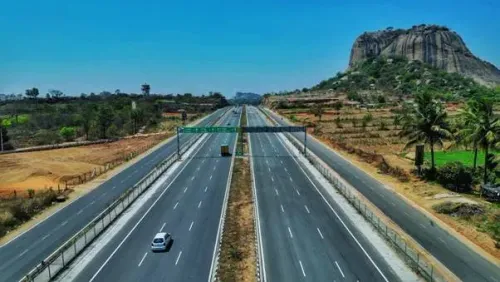
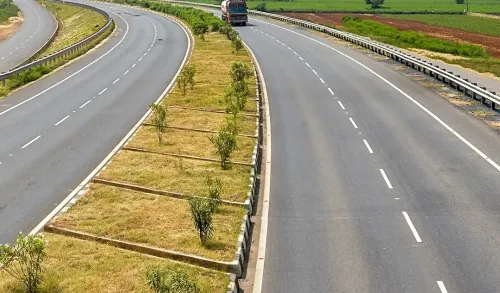
The operational length of access-controlled High-Speed Corridors and Expressways has surged from just 93 km in 2014 to 3,052 km by the end of this year.
Moreover, the length of National Highways with four lanes or more, including access-controlled corridors, has more than doubled from 18,371 km in 2014 to 43,512 km today.
Budget allocations for India's National Highways have skyrocketed by over 500% in the last decade, increasing from around Rs 31,130 crore in 2013-14 to over Rs 2.7 lakh crore in 2023-24. This figure has been further raised to Rs 3.09 lakh crore in the budget for 2026-27.
As of November 2025, the MoRTH has successfully monetized Rs 1,52,028 crore through various asset monetization methods and has set a target of Rs 30,000 crore for FY 2025-26.
The government aims to operationalize 18,000 km of access-controlled National Expressways by 2028-29, with a total of 26,000 km of access-controlled Expressways slated for award by 2032-33. Additionally, the development of ring roads and bypasses for cities with populations exceeding five lakh is a priority.
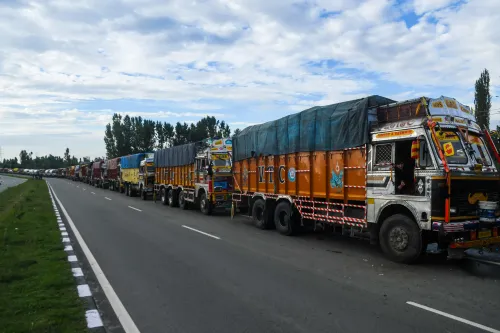
Furthermore, the enhancement of connectivity to ports, as prioritized by the Ministry of Shipping, Ports, and Waterways, along with improved access to industrial hubs, as per the National Industrial Corridor Development Corporation's (NICDC) directives, is also being pursued. These developments are expected to significantly boost logistics efficiency, serving as a catalyst for economic growth.
Point of View
I observe that the expansion of India's road network is not merely an engineering achievement but a vital step towards enhancing economic connectivity and job creation across the nation. This development will undoubtedly play a significant role in India's future growth trajectory.
NationPress
30 Sept 2026
Frequently Asked Questions
What is the total length of India's national highways as of 2025?
As of 2025, India's national highways span a total length of 1,46,560 km.
How much has the budget for national highways increased in the last decade?
The budget for national highways has increased by over 500%, rising from approximately Rs 31,130 crore in 2013-14 to over Rs 2.7 lakh crore in 2023-24.
What initiatives are driving the growth of India's highway network?
The growth is primarily driven by initiatives like Bharatmala, which aims to enhance highway connectivity across the country.
What is the target for operationalizing expressways by 2028-29?
The government aims to operationalize 18,000 km of access-controlled National Expressways by 2028-29.
How many person-days of employment have been generated through highway construction?
Highway construction has generated about 33 crore person-days of employment, including both direct and indirect jobs.