EAM Jaishankar Discusses India's Humanitarian Approach in Approving Iranian Warship Docking in Kochi
Synopsis
EAM Jaishankar elaborates on India's decision to allow the docking of the Iranian naval ship IRIS Lavan in Kochi, emphasizing a humanitarian approach amidst regional tensions. The situation unfolded as the ship encountered technical issues while returning from naval exercises.
Key Takeaways
India prioritized humanitarian aid in allowing the Iranian naval vessel to dock.
EAM Jaishankar's address highlighted the complexities of international naval relations.
IRIS Lavan faced technical issues , prompting the docking request.
Regional tensions in West Asia influenced India's decision-making process.
Social media discussions reflect varying perceptions of the incident's strategic implications.
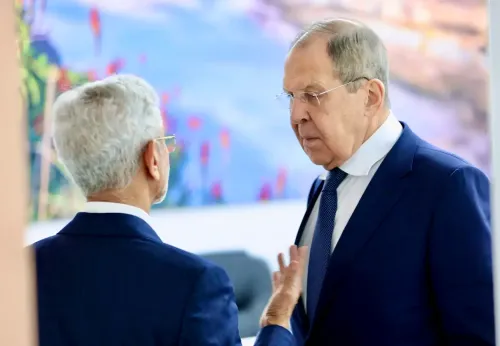
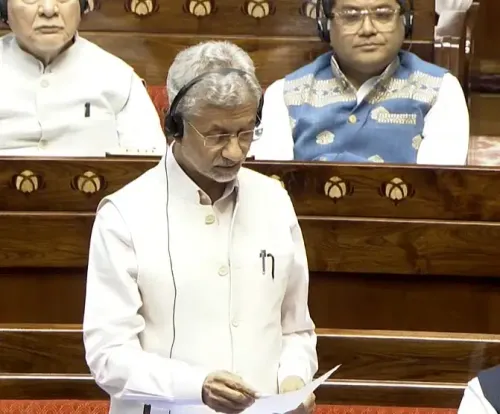
New Delhi, March 7 (NationPress) External Affairs Minister (EAM) S. Jaishankar elaborated on India's choice to allow an Iranian naval ship to dock in Kochi amidst the rising tensions in West Asia, highlighting that the vessels were “caught on the wrong side of events.”
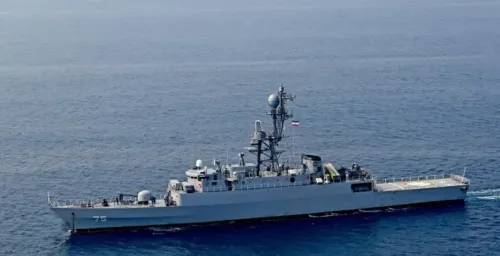
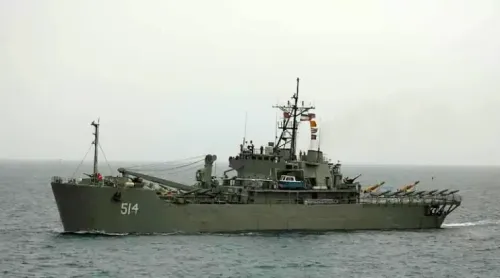
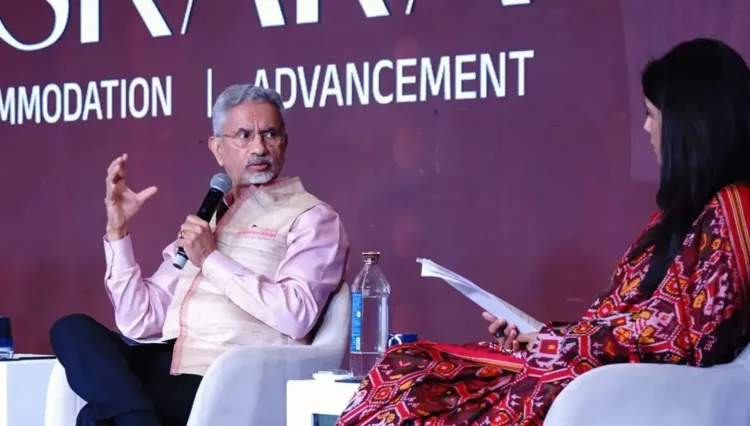
During his address at the Raisina Dialogue in New Delhi, EAM Jaishankar recounted that India had received a request from Iran regarding one of its naval ships, the IRIS Lavan, which had encountered technical difficulties while operating in the region.
The IRIS Lavan, which had recently participated in the International Fleet Review, made its way to Kochi after sustaining these technical issues.
According to official sources, Iran reached out to India several days prior to the incident involving the Iranian frigate IRIS Dena, which was situated south of Sri Lanka. The ship was in the area as part of Iran's naval deployment for the International Fleet Review and the MILAN 2026 exercise held from February 15 to February 25.
India granted the docking request on March 1 after Iran reported the ship's technical troubles. The vessel subsequently arrived in Kochi and docked, with its 183 crew members currently housed at naval facilities in the city.
EAM Jaishankar emphasized that India's response was guided by a humanitarian perspective when Iran sought help for the IRIS Lavan.
“We received a message from the Iranian side that one of their ships, which was presumably closest to our borders at that moment, wanted to enter our port due to reported problems. This was on February 28. On March 1, we granted permission for them to dock, and it took a few days for them to arrive in Kochi. Many young cadets were onboard, and they disembarked at a nearby facility. We view these ships with compassion; they set out for a fleet review only to find themselves in a challenging situation,” EAM Jaishankar stated.
“Thus, when this ship needed to come in and was in distress, it was the humane thing to do. We were guided by that principle,” he added.
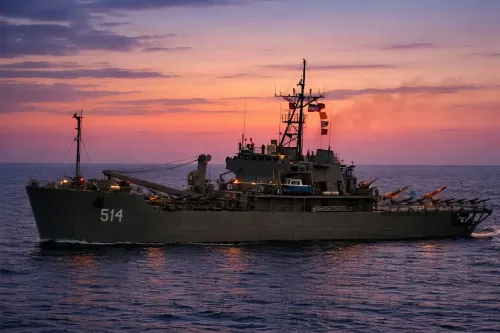
The Iranian vessels had initially traveled to India to engage in naval exercises before the regional climate took a downturn. The ships IRIS Dena, IRIS Lavan, and IRIS Bushehr participated in the International Fleet Review and the MILAN 2026 exercises conducted by the Indian Navy in Visakhapatnam earlier in February.
Regarding the fate of the IRIS Dena, EAM Jaishankar remarked, “In the case of the other ships, one similarly faced a situation in Sri Lanka, and they made their decisions, while one unfortunately did not survive. We approached this from a humanitarian standpoint, irrespective of any legal considerations. I believe we acted rightly.”
On March 4, the Iranian frigate IRIS Dena was struck by a torpedo from a United States submarine while navigating international waters approximately 40 nautical miles off the southern coast of Galle in Sri Lanka.
Sri Lankan officials reported that 87 bodies were recovered from the ocean, while 32 sailors were rescued alive following the vessel's sinking as it returned from the naval exercise in Visakhapatnam. The incident was later confirmed by U.S. Defense Secretary Pete Hegseth.
Discussing the public discourse surrounding the incident, EAM Jaishankar acknowledged the active discussions on social media regarding the strategic dynamics of the Indian Ocean Region (IOR).
“Much debate is ongoing on social media. By its nature, social media is a platform for sharp and sometimes extreme viewpoints. While people are entitled to their opinions, it's essential to understand the realities of the Indian Ocean. Diego Garcia has been located in the Indian Ocean for over five decades; this isn't a recent development. The presence of foreign forces in Djibouti started in the early 2000s, and Hambantota emerged during that time,” he noted.
Point of View
Emphasizing India's humanitarian stance during a politically sensitive situation. The decision to assist the Iranian naval vessel underscores India's commitment to responsible diplomacy, prioritizing human welfare over geopolitical tensions.
NationPress
12 Oct 2026
Frequently Asked Questions
Why did India allow the Iranian ship to dock?
India allowed the Iranian ship IRIS Lavan to dock in Kochi due to its reported technical difficulties, taking a humanitarian approach amidst rising tensions in West Asia.
What was the situation with IRIS Dena?
The IRIS Dena was struck by a torpedo while sailing in international waters, leading to a tragic incident where many lives were lost.
What exercises were the Iranian ships participating in?
The Iranian ships participated in the International Fleet Review and the MILAN 2026 naval exercises held by the Indian Navy in Visakhapatnam.
How did EAM Jaishankar describe the situation?
EAM Jaishankar described the situation as the ships being 'caught on the wrong side of events' and emphasized a humanitarian response.
What was the response on social media regarding this incident?
There has been considerable debate on social media regarding the strategic implications of the incident and the broader dynamics of the Indian Ocean Region.