Iran Expresses Gratitude to India for Allowing Warship Docking at Kochi Port, Says EAM Jaishankar
Synopsis
In a significant diplomatic gesture, Iran has thanked India for permitting the Iranian warship IRIS Lavan to dock at Kochi port amidst West Asian tensions. EAM Jaishankar emphasized India's commitment to peace, energy security, and the welfare of its citizens while navigating complex regional dynamics.
Key Takeaways
India allowed the IRIS Lavan to dock at Kochi port as a humanitarian gesture.
Iran expressed gratitude for this decision, highlighting diplomatic relations.
Energy security remains a top priority for India amid regional instability.
EAM Jaishankar emphasized the importance of peace and dialogue.
The Opposition's behavior during debates was criticized by the Leader of the House.
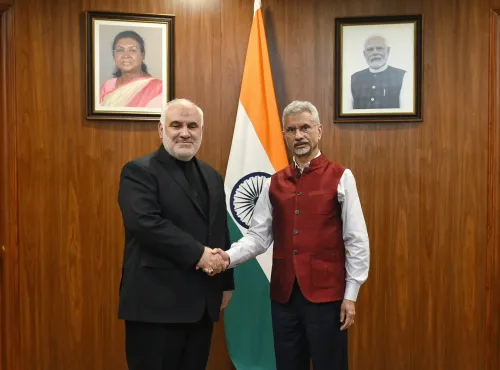
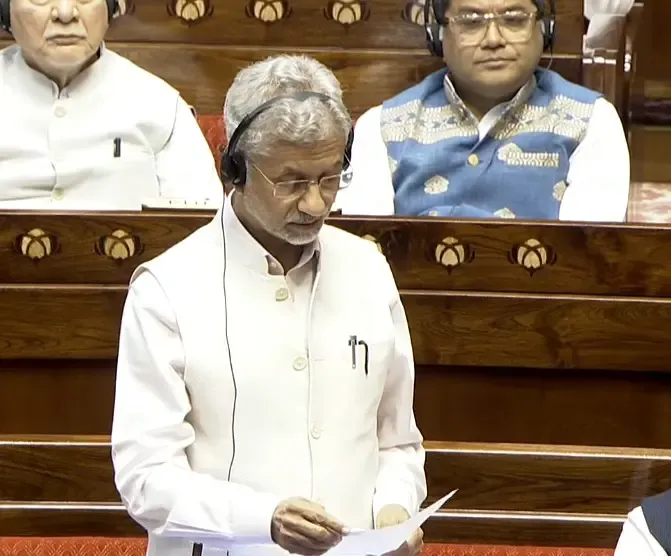
New Delhi, March 9 (NationPress) External Affairs Minister (EAM) S. Jaishankar announced on Monday that Iran has expressed its appreciation to India for what he termed a “humane gesture” following India’s decision to permit the Iranian warship IRIS Lavan to dock at Kochi port amidst the escalating tensions in West Asia.
In his address to the Rajya Sabha regarding the evolving scenario in the West Asia conflict, EAM Jaishankar noted the complexities of maintaining high-level communication with Iran during these challenging times, although diplomatic dialogues persist through available channels.
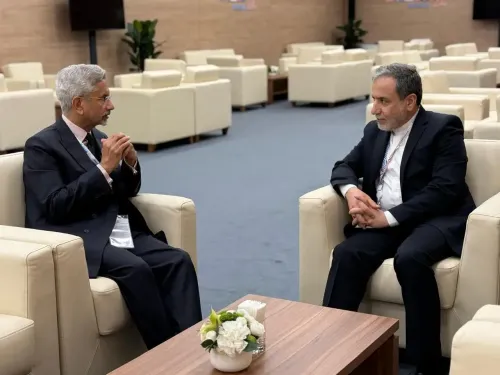
“While there have been efforts, establishing contacts with Iran at the leadership level is understandably difficult at the moment. Nonetheless, I have had discussions with Foreign Minister Araghchi on February 20, 2026, and March 5, 2026. We will strive to sustain these high-level talks in the forthcoming days,” the External Affairs Minister stated.
He elaborated on the Iranian naval ship currently docked in Kochi, clarifying the situation that led to India granting entry to the vessel.
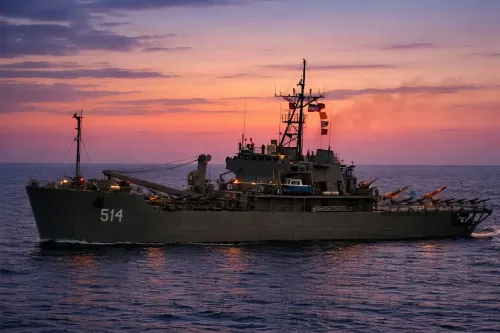
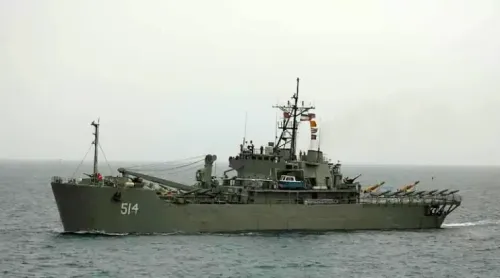
This development coincided with the sinking incident of the Iranian warship IRIS Dena near Sri Lanka. Simultaneously, another Iranian naval ship had approached India for assistance after facing technical difficulties in the area.
The government revealed that the Iranian warship IRIS Lavan had reported a technical issue and sought urgent permission to dock from Indian authorities. After thorough consideration, the Centre agreed to Tehran’s request on March 1, allowing the vessel to dock at Kochi port in Kerala.
“The Iranian side requested docking permissions for three ships in the region on February 20, 2026, which was granted on March 1, 2026. The IRIS Lavan actually docked on March 4, 2026, in Kochi. The crew is currently utilizing Indian Naval facilities. We believe this was the appropriate course of action. The Iranian Foreign Minister has conveyed his country’s gratitude for this humane act,” EAM Jaishankar informed the House.
During his statement, the minister also addressed concerns regarding India’s energy security in light of the ongoing instability in West Asia, a vital supplier of oil and gas to India.
EAM Jaishankar emphasized that while navigating the situation, the government has prioritized the interests of Indian consumers as the “overriding priority”.
He concluded by outlining three fundamental principles guiding India’s response to the crisis in the region.
“Firstly, India advocates for peace and encourages a return to dialogue and diplomacy. We promote de-escalation, restraint, and ensuring the safety of civilians,” he remarked.
“Secondly, the welfare and security of the Indian community in the region are paramount. We will continue to collaborate with the governments in the region toward this goal,” the minister added.
“Lastly, our national interests, including energy security and trade routes, remain a top priority,” EAM Jaishankar concluded his address in the Rajya Sabha.
Afterward, the Leader of the House J.P. Nadda criticized the Opposition for their behavior during EAM Jaishankar's speech. He claimed that their focus is not on national matters or constructive debate but on “creating chaos.”
“Their priority is never dialogue; instead, they engage in rowdiness,” he commented. He also referenced similar disruptions from previous Parliament sessions, particularly around electoral reforms in December 2025 and discussions on the space program, when the Opposition staged walkouts.
Nadda pointed out that the Opposition departed during debates on Operation Sindoor, the Pahalgam terror incident, and the Waqf Bill.
He noted that the Opposition walked out while Finance Minister Nirmala Sitharaman was addressing the Union Budget for 2026-2027.
“They lack a genuine interest in national issues, demonstrate no concern for Atmanirbhar Bharat, and show little commitment to nation-building; their focus is entirely on political maneuvering,” he concluded.
Point of View
The situation emphasizes the delicate balance India must maintain in its foreign relations, particularly in a region marked by conflict. The government's actions reflect a commitment to humanitarian principles while also safeguarding national interests.
NationPress
1 Oct 2026
Frequently Asked Questions
Why did India allow the Iranian warship to dock?
India permitted the Iranian warship IRIS Lavan to dock due to a technical malfunction reported by the vessel, viewing it as a humanitarian gesture amid regional tensions.
What did EAM Jaishankar say about Iran's response?
EAM Jaishankar stated that Iran expressed its gratitude for India's decision to allow the warship to dock, highlighting it as a 'humane gesture.'
What are the implications for India's energy security?
Jaishankar emphasized that the government prioritizes India's energy security amidst ongoing instability in West Asia, which is a crucial supplier of oil and gas.
What did the Leader of the House say about the Opposition?
J.P. Nadda criticized the Opposition for not focusing on national issues and creating chaos during important debates, rather than engaging in constructive dialogue.
What principles guide India's approach to the West Asia crisis?
India's approach is guided by principles of peace, the welfare of Indian citizens, and prioritizing national interests, including energy security.