Jaishankar Calls Iran FM, Demands End to Shipping Attacks
Synopsis
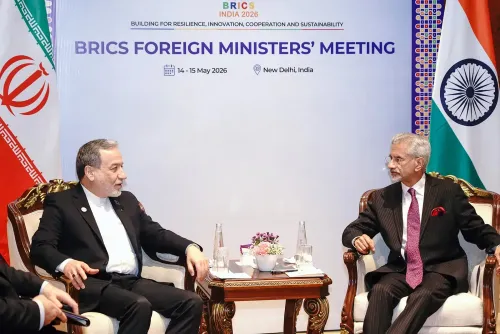
External Affairs Minister Dr. S. Jaishankar spoke with Iranian FM Abbas Araghchi on 31 July 2026, urging an unconditional halt to attacks on commercial shipping and seafarers, and reaffirming India's support for dialogue amid escalating regional hostilities.
Key Takeaways
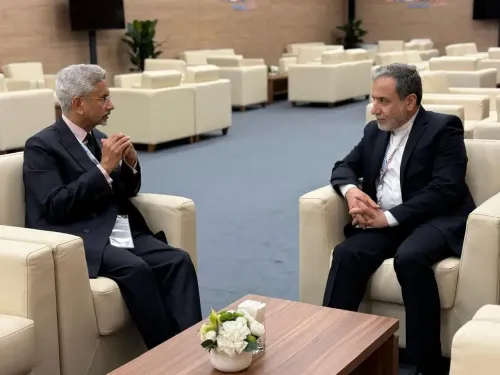
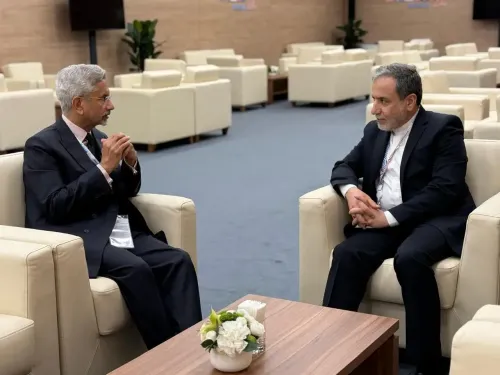
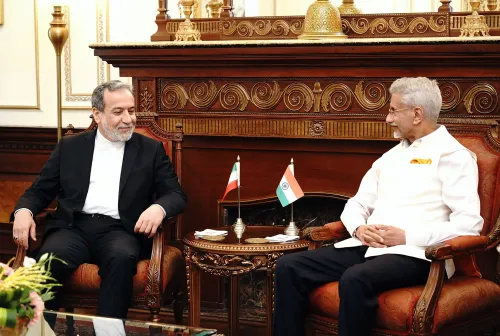
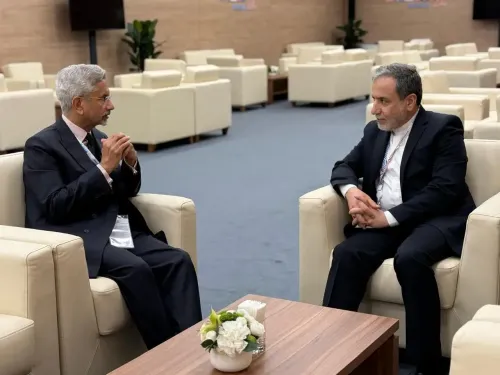
Jaishankar held a tele-conversation with Iranian FM Abbas Araghchi on the evening of 31 July 2026 .
India 'strongly urged' that attacks on commercial shipping and seafarers be avoided 'under any circumstance.' India condemned attacks on commercial vessels by any party — without naming a specific actor.
Jaishankar was briefed on Iran's perspective of current regional developments and ongoing discussions.
India reaffirmed its consistent position of supporting dialogue and diplomacy to resolve regional tensions.
The call reflects India's long-standing policy of protecting sea lanes vital to its trade and energy imports.
With hostilities flaring across the Middle East, Union External Affairs Minister Dr. S. Jaishankar picked up the phone on the evening of Friday, 31 July 2026 — and delivered a message with no diplomatic ambiguity: attacks on commercial shipping must stop, unconditionally.
In a tele-conversation with Iranian Foreign Minister Abbas Araghchi, Jaishankar conveyed India's 'deep concerns at the ongoing hostilities in the region' and 'strongly urged that attacks on commercial shipping and seafarers be avoided under any circumstance.' The minister went further, stating that India condemns any such attack by any party — a formulation that pointedly refuses to carve out exceptions for any side in the conflict.
Why India's 'any party' language carries weight
That three-word phrase — 'by any party' — is the load-bearing clause in Jaishankar's statement. India has long walked a careful line in Middle East diplomacy, maintaining working relationships with Iran, Israel, and the Gulf states simultaneously. By refusing to name a perpetrator while condemning the act categorically, New Delhi signals it will not be conscripted into anyone's narrative. It is a posture India has held consistently since at least 2019, when it began issuing formal statements on freedom of navigation in the Gulf and Indian Ocean. The stakes are concrete. India is one of the world's largest importers of crude oil, and a significant share of that cargo — along with Indian seafarers aboard commercial vessels — transits the very waters now under threat. Any disruption to those lanes lands directly on Indian households and the national economy.The Chabahar thread and India-Iran ties
The call also reflects the texture of the India-Iran bilateral relationship — complex, commercially significant, and carefully managed. The two countries have cooperated on the development of Chabahar port since a landmark agreement in 2016, a project India views as a strategic gateway to Afghanistan and Central Asia bypassing Pakistan. That investment gives New Delhi both a reason to engage Tehran directly and a reason to keep the relationship from being consumed by regional fire. Jaishankar noted that he was 'apprised of Iran's perspective of current developments and discussions underway' — diplomatic shorthand for a two-way exchange, not a lecture. India, he added, 'is always supportive of dialogue and diplomacy.'New Delhi's de-escalation playbook
The call fits a recognisable pattern in India's external affairs toolkit: direct, high-level engagement with all parties; a clear red line on anything that threatens Indian nationals or economic arteries; and a studied refusal to take sides in conflicts where multiple partners are involved. The Ministry of External Affairs is likely to watch for any follow-up multilateral forum — whether at the United Nations or through regional groupings — where India can press the maritime security agenda in a broader setting. For the Indian seafarers currently aboard vessels in contested waters, the minister's words are more than diplomatic boilerplate. They are a signal that New Delhi is watching, engaged, and on record.Point of View
Condemn the act not the actor, and keep economic arteries protected. The 'any party' formulation is not diplomatic vagueness; it is a deliberate signal that India will not subordinate its maritime and commercial interests to any regional alliance. With the Chabahar port investment tying New Delhi's infrastructure ambitions directly to Iranian goodwill, the call also underscores that India has too much at stake in the bilateral relationship to let it be swallowed by broader conflict. Watch whether this phone call is followed by a formal MEA statement or a multilateral push — that will indicate how seriously New Delhi views the threat to its shipping lanes.
NationPress
15 Sept 2026
Frequently Asked Questions
Why did Jaishankar call the Iranian Foreign Minister?
Jaishankar called Iranian FM Abbas Araghchi on 31 July 2026 to convey India's deep concerns about ongoing regional hostilities and to strongly urge that attacks on commercial shipping and seafarers be stopped under any circumstance.
What did India say about attacks on commercial ships?
India condemned attacks on commercial shipping by any party, without naming a specific actor, and called for such attacks to be avoided unconditionally to protect seafarers and trade routes.
How does this call relate to India-Iran relations?
India and Iran have a significant bilateral relationship, including cooperation on the Chabahar port since 2016. India regularly engages Iran on maritime and energy issues while maintaining ties with other regional actors.
Why does India care about shipping attacks in the Middle East?
India is a major crude oil importer, with a large share of its energy cargo transiting Middle Eastern waters. Indian seafarers also work aboard commercial vessels in the region, giving New Delhi a direct economic and humanitarian stake.
What is India's position on the Middle East conflict?
India consistently supports dialogue and diplomacy, avoids taking sides between regional rivals, and emphasises freedom of navigation and the protection of commercial sea lanes as non-negotiable interests.