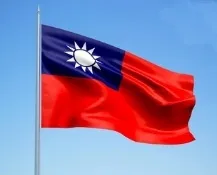
Why does India consider Taiwan a crucial technology partner?
Synopsis
India sees Taiwan as a pivotal technology ally, especially in the semiconductor industry. This partnership could drive economic and technological growth, but India must adopt a more proactive stance to fully realize these benefits. Discover the implications of this cooperation and the need for strategic engagement.
Key Takeaways
India views Taiwan as a critical technology partner.
Collaboration in semiconductor manufacturing is essential for economic growth.
Educational initiatives like joint master's programs are fostering ties.
A dedicated Taiwan science park could further enhance collaboration.
India needs to adopt a more assertive approach to Taiwan.
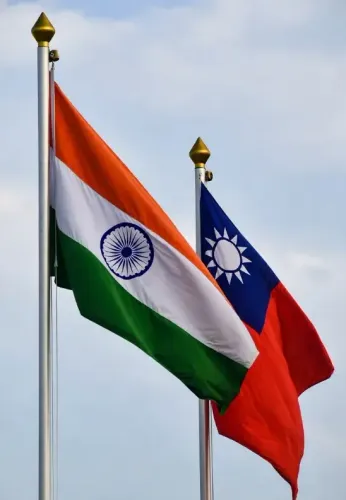
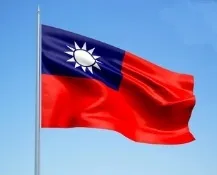
New Delhi, Dec 16 (NationPress) India regards Taiwan as an essential technology ally due to its status as a premier chip manufacturer. This collaboration in the semiconductor sector serves as a critical avenue for economic growth, technological progress, and strategic independence, according to a media report.
The Indian administration has actively engaged major Taiwanese firms for several years, yet there is a need for heightened awareness and interaction across various institutions, sectors, and policymaking bodies, as noted in the Taipei Times.
The article points out an encouraging initiative— a collaborative master's program in semiconductor technology involving four Taiwanese universities and the Indian Institute of Science. This program strengthens ties between Indian educational institutions and Taiwan's semiconductor industry. It is crucial to encourage Indian engineers and tech professionals to take part, facilitating the transfer of essential skills and knowledge that India requires.
In addition to educational efforts, India should explore the establishment of a Taiwan science park. This dedicated facility would draw Taiwanese businesses, promote structured and long-term partnerships, and symbolize India's commitment to enhancing its technological and industrial capabilities in collaboration with Taiwan, as highlighted in the article.
It suggests that India must overcome unwarranted hesitations and adopt a more assertive and consistent stance towards Taiwan. Increased consultations and dialogues are necessary. Where unofficial communication channels exist, Indian officials at all levels should engage. Ministries overseeing economics, technology, and trade must participate, with meetings held at least at the deputy ministerial level to ensure ongoing and effective collaboration. Parliamentary avenues should also be utilized to further Indian interests.
A specialized parliamentary committee focusing on Taiwan-India relations could ensure continuity, oversight, and strategic direction, making sure that engagement is intentional and enduring instead of sporadic and reactive, the article further elaborates.
The article critiques China’s growing assertiveness, citing an incident where an Indian woman from Arunachal Pradesh was detained and harassed at a Shanghai airport, targeted solely because China claims her state as its own. This was followed by a statement from the Chinese Ministry of Foreign Affairs asserting that China has never acknowledged Arunachal Pradesh, which it refers to as Zangnan.
The piece underscores that India cannot afford to be passive in its relations with China. This is not about seeking confrontation; it is about affirming India’s priorities, safeguarding its sovereignty, protecting strategic interests, and recalibrating its regional stance. If India continues to approach Taiwan with excessive caution, it risks missing crucial opportunities to strengthen its position in the evolving power dynamics of Asia.
Additionally, it notes that some Indian states have been proactively engaging with Taiwan, yielding positive outcomes in terms of commercial and technological cooperation. However, beyond these localized advancements, substantial results remain limited.
Point of View
It's crucial to emphasize that India's engagement with Taiwan should be marked by a commitment to strategic partnerships and technological collaboration, ensuring that national interests are prioritized while fostering international relations.
NationPress
30 Sept 2026
Frequently Asked Questions
Why is Taiwan important for India's technology sector?
Taiwan is a leading chip manufacturer, and collaboration with it can significantly boost India's technological capabilities and economic growth.
What initiatives are in place to enhance India-Taiwan relations?
A joint master's program in semiconductor technology between Indian and Taiwanese institutions is one of the key initiatives aimed at strengthening educational and technological ties.
What challenges does India face in engaging with Taiwan?
India must overcome its cautious approach and enhance dialogue and engagement across various sectors to fully leverage its relationship with Taiwan.