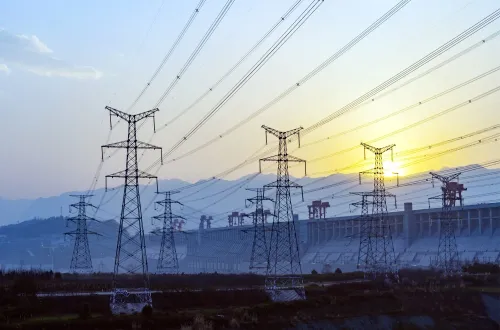
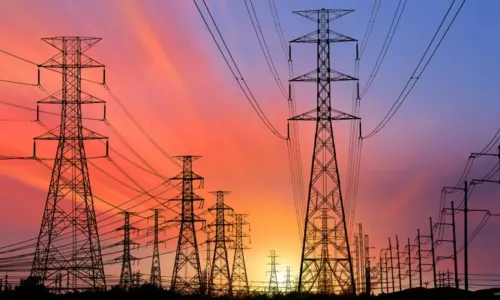
Has India's Power Transmission Network Exceeded 5 Lakh Circuit Kilometres?
Synopsis
India's power transmission network has made history by surpassing 5 lakh circuit kilometres, marking a major leap in energy infrastructure. This achievement reflects a commitment to renewable energy and enhanced grid reliability, paving the way for a sustainable energy future.
Key Takeaways
India's power transmission network exceeds 5 lakh ckm .
Transformation capacity reaches 1,407 GVA .
New transmission line boosts renewable energy evacuation by 1,100 MW .
Inter-state projects will add 40,000 ckm of lines.
Target of 500 GW non-fossil power by 2030 .
New Delhi, Jan 22 (NationPress) India’s national power transmission network has reached a remarkable milestone, exceeding 5 lakh circuit kilometres (ckm) of transmission lines and boasting a transformation capacity of 1,407 GVA, as stated by the Ministry of Power on Thursday.
This unprecedented achievement was realized on January 14, 2026, with the launch of a 628 ckm transmission line operating at 765 kV from Bhadla II to Sikar II substation, designed to facilitate the evacuation of solar power from the Rajasthan renewable energy zone.
With this new transmission line in operation, an additional 1,100 MW of power can be evacuated from the renewable energy zones encompassing Bhadla, Ramgarh, and Fatehgarh Solar Power Complex, according to the statement.
Since April 2014, the nation’s transmission network has expanded by 71.6 percent, incorporating 2.09 lakh ckm of transmission lines (220 kV and above) and increasing transformation capacity (220 kV and above) by 876 GVA. The inter-regional power transfer capacity has reached 1,20,340 MW, allowing for seamless electricity transfer across regions and fulfilling the vision of “One Nation–One Grid–One Frequency”, as mentioned in the statement.
The inter-state transmission projects currently underway are expected to contribute around 40,000 ckm of transmission lines and 399 GVA of transformation capacity. Additionally, intra-state transmission projects in progress are likely to add another 27,500 ckm and 134 GVA of transformation capacity, further bolstering grid reliability and power evacuation capabilities, as outlined in the statement.
This increase in transmission capacity will facilitate the evacuation of the rising non-fossil power generation, with a target of 500 GW by 2030.
The achievement of 5,00,000 ckm of transmission lines underscores the government’s ongoing commitment to ensuring a reliable, affordable, and secure electricity supply nationwide while promoting rapid growth in renewable energy integration, the statement concluded.
Point of View
The milestone achieved by India’s power transmission network highlights the government's dedication to enhancing energy infrastructure and supporting the transition towards renewable energy sources. This progress not only strengthens grid reliability but also aligns with global efforts toward sustainable energy solutions.
NationPress
20 Sept 2026
Frequently Asked Questions
What is the importance of India's power transmission network reaching 5 lakh ckm?
Reaching 5 lakh ckm signifies a major enhancement in India's energy infrastructure, facilitating better evacuation of renewable energy and ensuring a reliable electricity supply across the country.
How does this achievement impact renewable energy in India?
This milestone directly supports India's goal of achieving 500 GW of non-fossil power by 2030, allowing for increased capacity to evacuate renewable energy efficiently.
What is the significance of the inter-regional power transfer capacity?
The inter-regional power transfer capacity of 1,20,340 MW ensures seamless electricity transfer between regions, aiding in the stability and reliability of the national grid.