India cuts oil dependency with ethanol, solar, wind and hydrogen push
Synopsis
India imports 85 per cent of its crude oil — and the pressure to change that is intensifying. Former BPCL chief Krishnakumar Gopalan reveals that diesel under-recovery has reached ₹38 per litre, oil companies are quietly absorbing the hit, and India is already eyeing hydrogen retail outlets as part of a longer-term energy escape plan.
Key Takeaways
India imports around 85 per cent of its crude oil, creating significant economic exposure to global price swings.
20 per cent ethanol blending in petrol is already underway and is being progressively accelerated.
India is expanding solar, wind, and hydrogen assets, with hydrogen retail outlets under consideration.
Diesel under-recovery is approximately ₹38 per litre ; petrol under-recovery stands at ₹13–₹14 per litre .
Former BPCL CMD Krishnakumar Gopalan credited oil marketing companies with maintaining supply continuity despite global uncertainty.
Falling crude prices could ease the under-recovery burden and reduce the need for further retail price hikes, according to Gopalan.
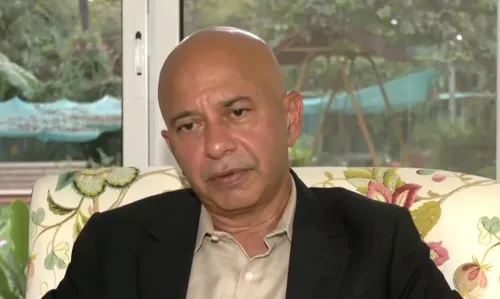
India is actively reducing its dependence on imported crude oil through a multi-pronged energy strategy encompassing ethanol blending, solar, wind, and hydrogen, Krishnakumar Gopalan, former Chairman and Managing Director of Bharat Petroleum Corporation Limited (BPCL), said on Monday, 25 May. Gopalan noted that the government had recognised the urgency of an energy transition early and has since worked closely with oil marketing companies to reduce vulnerabilities stemming from heavy crude import reliance.
Scale of India's Crude Import Exposure
India currently imports approximately 85 per cent of its crude oil requirement, leaving the economy significantly exposed to global supply disruptions and price volatility. This structural dependency has long been a pressure point for the country's current account and inflation management, particularly during periods of geopolitical turbulence.
Gopalan underscored that the sheer scale of this exposure has made diversifying the energy mix not just a policy preference but an economic necessity. This comes amid renewed global uncertainty over oil supply chains, trade negotiations, and OPEC output decisions.
Ethanol Blending and Renewable Expansion
As a first line of response, India has introduced 20 per cent ethanol blending in petrol, a programme that is being progressively accelerated. 'To address this challenge, India has introduced 20 per cent ethanol blending in petrol, which is gradually being accelerated further to cut dependence on crude imports,' Gopalan said.
Beyond ethanol, the country is scaling up renewable energy assets. 'That is one step where we are trying to reduce our dependency. The second step is we have made our efforts in increasing renewable assets, be it solar, wind, hydrogen. We are even looking at hydrogen retail outlets,' he said. The mention of hydrogen retail outlets signals a longer-term ambition to commercialise green hydrogen as a transport fuel — a segment still in early stages globally.
Oil Companies Absorbing Under-Recovery Burden
On the question of domestic fuel pricing, Gopalan said oil marketing companies have shouldered a significant share of the cost burden rather than passing it fully to consumers. According to him, the current under-recovery on petrol is approximately ₹13 to ₹14 per litre, while diesel under-recovery stands close to ₹38 per litre.
'The loss in petrol is about 13 to 14 rupees and diesel is about 38 rupees, so whatever increase has happened is only partial,' he stated. Despite these pressures, he credited oil marketing companies with maintaining supply continuity. 'They have been managing supplies very well. There are hardly any cases of dry outs except where there are localised crises,' he added.
Crude Price Outlook and Relief Ahead
Gopalan expressed cautious optimism about the near-term crude price trajectory. 'The good fact is crude has started coming down, there are positive indications about negotiations working and if that does happen, that will be a great relief, there won't be much increases required that will offset and the crude economy also will benefit,' he said.
A sustained decline in global crude prices would ease the under-recovery burden on oil marketing companies and potentially reduce the pressure on retail fuel prices. Notably, this is the broader context in which India's renewable push gains added urgency — insulating the domestic economy from the next crude price cycle before it arrives.
Point of View
Even as the government avoids politically costly retail hikes. The renewable pivot is real, but ethanol blending and nascent hydrogen infrastructure cannot offset 85 per cent crude import dependency in the near term. The more urgent question is whether India's oil marketing companies can continue absorbing losses at this scale without a structural pricing reform or a sustained drop in global crude. The optimism about falling crude prices is reasonable, but it has been misplaced before.
NationPress
19 Sept 2026
Frequently Asked Questions
Why is India pushing for ethanol blending and renewable energy?
India imports roughly 85 per cent of its crude oil, making the economy highly vulnerable to global price shocks and supply disruptions. Ethanol blending and renewable energy expansion are designed to reduce this structural dependency and lower the import bill over time.
What is the current ethanol blending level in India's petrol?
India has introduced 20 per cent ethanol blending in petrol, and the programme is being progressively accelerated to further reduce crude oil imports, according to former BPCL chief Krishnakumar Gopalan.
What are the current fuel under-recovery figures in India?
According to Krishnakumar Gopalan, petrol under-recovery is approximately ₹13 to ₹14 per litre, while diesel under-recovery is close to ₹38 per litre. Oil marketing companies have absorbed much of this cost rather than passing it on to consumers.
Is India planning hydrogen retail outlets?
Yes, according to Gopalan, India is exploring hydrogen retail outlets as part of its broader push to expand renewable energy assets including solar, wind, and hydrogen. This signals a longer-term ambition to commercialise green hydrogen as a transport fuel.
What is the outlook for crude oil prices and Indian fuel costs?
Gopalan expressed cautious optimism, noting that crude prices have started declining and that positive signals from ongoing negotiations could bring further relief. A sustained fall in crude prices would ease under-recovery pressures and reduce the likelihood of further retail fuel price hikes.