India's fuel supply management exemplary amid global crisis: Ex-IGL chief
Synopsis
With crude prices up 35–40 per cent globally and India's under-recovery running at ₹30,000 crore a month, former IGL Chairman Raj Kumar Dubey says India has pulled off something most countries couldn't — zero fuel shortages. But LPG remains a live concern, and the bill for holding retail prices steady is growing harder to ignore.
Key Takeaways
Former IGL Chairman Raj Kumar Dubey called India's fuel supply management 'exemplary' on 23 May .
India has avoided fuel shortages despite importing more than 85 per cent of its crude oil.
Projected under-recovery for oil marketing companies stands at approximately ₹30,000 crore per month .
Global crude prices have risen 35–40 per cent , with most countries raising retail fuel prices by 20–50 per cent .
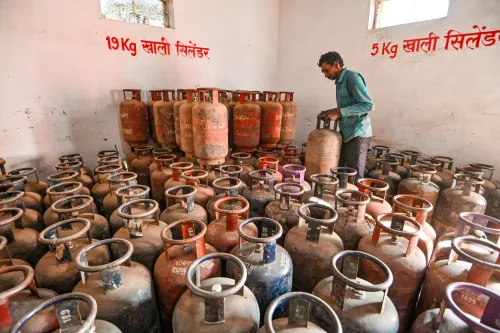
LPG was flagged as an area of continuing concern even as petrol and diesel supply remains stable.
State-run OMCs — HPCL , IOCL , and BPCL — have urged the public to disregard rumours of fuel shortages.
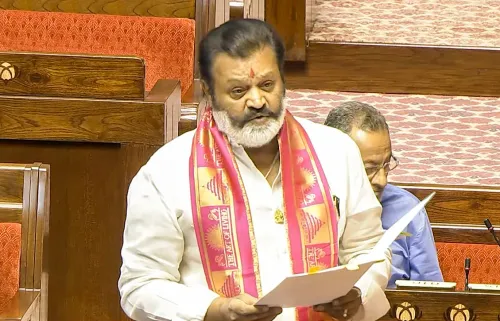
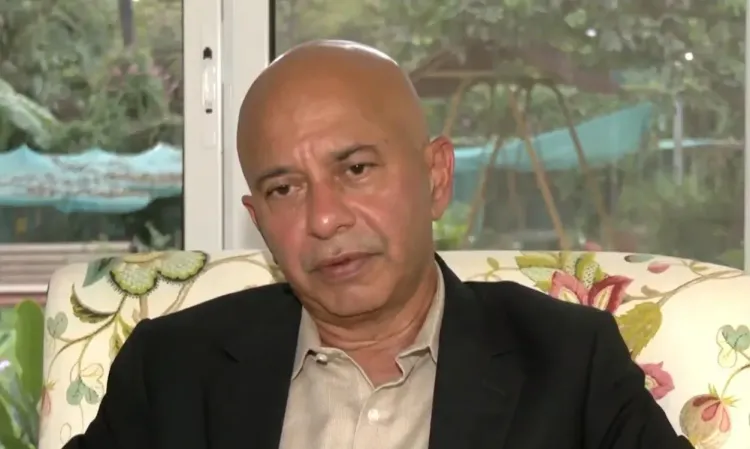
India has maintained stable fuel supply despite severe global disruptions, Raj Kumar Dubey, former Chairman of Indraprastha Gas Limited (IGL) and former Director (HR) of Bharat Petroleum Corporation Limited (BPCL), said on Saturday, 23 May. Dubey credited consistent policy decisions for shielding Indian consumers from the shortages witnessed in several other nations.
Supply Stability Amid Global Pressure
'Supply management has been exemplary, otherwise you would have faced shortages like several other countries. But India never faced any shortages in terms of fuel, petrol and diesel,' Dubey said. He did, however, flag LPG as an ongoing area of concern.
He noted that since more than 85 per cent of India's crude oil is imported, maintaining uninterrupted supply chains under volatile global conditions represents a significant achievement. 'India has done a wonderful job in managing the situation,' he added.
Under-Recovery and Crude Price Surge
On the financial dimension, Dubey pointed to the scale of the strain on state-run oil companies. The projected under-recovery stands at approximately ₹30,000 crore per month, he said, as crude prices have risen between 35 and 40 per cent and could climb further.
'Crude prices have risen 35 to 40 per cent and may increase further. Naturally, this has to reflect in petroleum products. Across the world, most countries have raised prices ranging from 20 per cent to 50 per cent, so it is up to policymakers to decide the extent of increase required,' Dubey said.
He noted that even the United States — the world's largest crude oil producer — has seen petrol and diesel prices rise, underscoring the global nature of the pressure.
Government's Rationale for Holding Prices
Dubey defended the government's decision to absorb costs rather than immediately passing them on to consumers. 'The government has done an exemplary job in this situation because it was initially seen as a temporary phenomenon. Whenever such temporary spikes happen, we don't want ordinary people to be affected,' he said.
This approach, he explained, was predicated on the assumption that the price spike would prove short-lived — a calculation that has grown increasingly difficult to sustain as crude markets remain elevated.
OMCs Reassure on Supply Stability
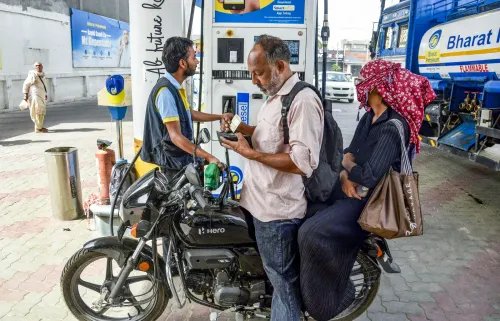
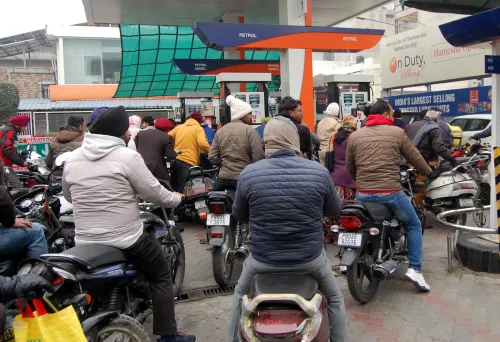
Earlier in May, leading state-run oil marketing companies (OMCs) — Hindustan Petroleum Corporation Limited (HPCL), Indian Oil Corporation Limited (IOCL), and BPCL — had jointly assured customers that petrol, diesel, and LPG supplies remain stable across the country. The companies urged the public not to act on rumours or unverified social media messages about fuel shortages.
With crude markets still unsettled and under-recoveries mounting, the question of how long retail prices can remain insulated from global benchmarks is likely to define the next phase of India's energy policy debate.
Point of View
000 crore a month is not a temporary buffer; it is a structural subsidy that either lands on the government's balance sheet or eventually on the consumer's pump price. The decision to hold retail prices while global crude stays elevated is a political choice with an economic cost that compounds monthly. India has managed the supply side well; it has yet to articulate a credible plan for the demand-side price signal that every other major economy has already sent.
NationPress
8 Oct 2026
Frequently Asked Questions
What did former IGL Chairman Raj Kumar Dubey say about India's fuel supply?
Dubey said India's fuel supply management has been 'exemplary,' with the country avoiding the shortages seen in several other nations despite importing more than 85 per cent of its crude oil. He did flag LPG as a continuing area of concern.
What is India's projected fuel under-recovery per month?
According to Dubey, the projected under-recovery for India's oil marketing companies stands at approximately ₹30,000 crore per month, driven by a 35–40 per cent rise in global crude prices.
Why has India not raised petrol and diesel prices despite rising crude costs?
Dubey explained that the government initially treated the crude price surge as a temporary phenomenon and chose not to burden ordinary consumers during a short-term spike. However, with prices remaining elevated, the sustainability of that approach is increasingly in question.
How have global fuel prices moved compared to India?
Most countries have raised retail fuel prices by 20–50 per cent in response to the crude surge, according to Dubey. Even the United States, the world's largest crude producer, has seen petrol and diesel prices rise sharply.
What have state-run oil companies said about fuel availability?
HPCL, IOCL, and BPCL have all assured customers that petrol, diesel, and LPG supplies are stable across India. They have also urged the public not to rely on unverified social media messages or rumours about shortages.