Wedding season 2024-25: ₹6 lakh crore business, 5.2 lakh weddings expected across India
Synopsis
India's wedding season kicks off on 21 November with Devuthani Ekadashi — and the Chamber of Trade and Industry is projecting a ₹6 lakh crore economic bonanza from 5.2 lakh weddings. Delhi-NCR alone is expected to account for ₹1 lakh crore, with jewellery, apparel, catering and hospitality at the heart of the spending surge. The 'Vocal for Local' push is also quietly reshaping who benefits.
Key Takeaways
India's wedding season begins 21 November 2026 (Devuthani Ekadashi) and is projected to generate ₹6 lakh crore in business from 5.2 lakh weddings , according to CTI .
Delhi-NCR alone expects around 5 lakh weddings contributing nearly ₹1 lakh crore to the economy.
Jewellery accounts for the largest share of wedding goods spend at 15% ; tent decoration and catering lead services at 10% each .
No auspicious wedding dates from 13 December 2026 to 14 January 2027 due to Malmas ; season resumes 15 January 2027 through 28 June 2027 .
CTI's 'Vocal for Local Weddings' campaign has reportedly reduced imports — especially Chinese decorations — benefiting traditional artisans, jewellers and textile manufacturers.
MSMEs in textiles, jewellery, handicrafts, packaging and logistics are expected to see a significant demand boost.
India's upcoming wedding season is set to generate business worth ₹6 lakh crore across the country, driven by an estimated 5.2 lakh weddings beginning 21 November 2026, according to the Chamber of Trade and Industry (CTI). In Delhi-NCR alone, around five lakh weddings are expected to contribute nearly ₹1 lakh crore to the local economy, the traders' body said.
Season Kickoff and Key Dates
The wedding season will commence on 21 November with Devuthani Ekadashi and Tulsi Vivah, ending a nearly four-month ceremonial pause. According to Acharya Ashish Shastri, auspicious marriage dates will be available until 12 December 2026, after which a Malmas period runs from 13 December 2026 to 14 January 2027, suspending wedding ceremonies. The season resumes on 15 January 2027 and continues through 28 June 2027, before another four-month halt sets in following Devshayani Ekadashi on 13 July 2027.
Key auspicious dates include November 21, 24, 25 and 26; December 1–6, 11 and 12; multiple dates across January, February, March, April, May and June 2027.
How the ₹6 Lakh Crore Gets Spent
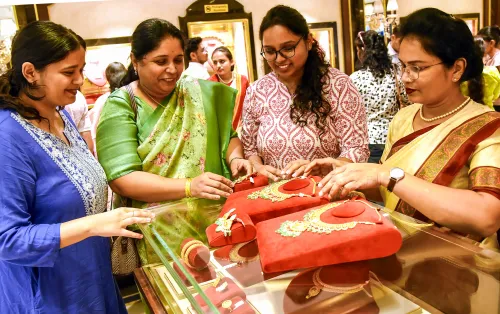
CTI Chairman Brijesh Goyal, along with General Secretary Gurmeet Arora, outlined a detailed breakdown of wedding expenditure. On the goods side, jewellery accounts for the largest share at 15%, followed by clothing — sarees, lehengas and apparel — at 10%. Electronics and consumer durables contribute 5%, dry fruits and sweets another 5%, and groceries and vegetables 5%. Gift items account for 4% and other goods 6%.
On the services side, tent decoration and catering each account for 10% of expenditure, while banquet halls and wedding venues contribute 5%. Event management, transportation, orchestras, and lighting and sound services each account for 3%. Flower decoration accounts for 4%, photography and videography 2%, and other services the remaining 7%.
Who Benefits and the 'Vocal for Local' Push
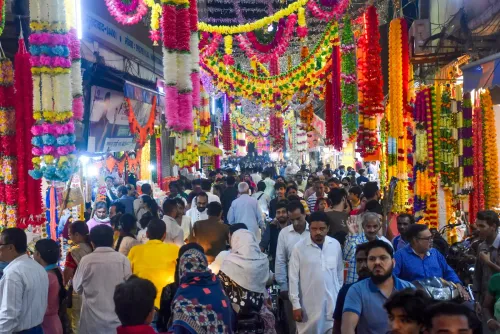
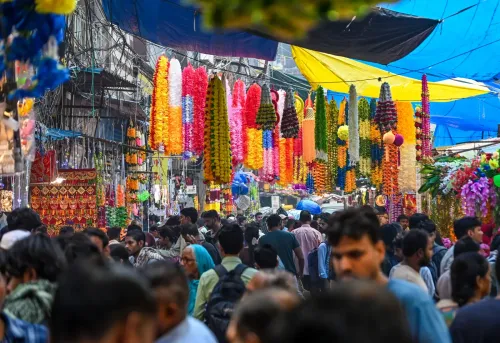
The season is expected to generate significant business opportunities for decorators, caterers, florists, artists, transport operators, and hospitality service providers. Several micro, small and medium enterprises (MSMEs) — particularly in textiles, jewellery, handicrafts, packaging and logistics — are also set to benefit from the demand surge.
According to CTI General Secretary Ramesh Ahuja and Vice President Rahul Adlakha, consumer purchasing patterns have shifted notably following GST rate reductions, with people increasingly preferring Indian-made products over imported alternatives. The CTI's 'Vocal for Local Weddings' campaign has reportedly helped reduce the presence of imported goods — particularly Chinese lighting equipment, artificial decorations and gift accessories — with traditional artisans, jewellers and textile manufacturers now receiving substantial orders in their place.
Context: Riding the Festive Wave
This comes after what traders describe as a successful Diwali festive season, which began on 11 October with Navratri and brought increased commercial activity nationwide. The wedding season is widely seen as a critical second engine for India's consumption economy in the second half of the financial year, particularly for sectors like retail, hospitality and logistics. This pattern of post-festive wedding-season momentum is consistent with previous years, though the ₹6 lakh crore estimate, if realised, would mark one of the larger projected figures in recent memory.
With the season stretching deep into mid-2027 — punctuated only by the Malmas break — traders are optimistic that the economic tailwinds from the festive quarter will carry through well into the new year.
Point of View
Not an independent economic survey, and should be read with that in mind — industry bodies have an inherent interest in projecting large numbers ahead of a season. That said, the structural case is real: India's wedding market is genuinely one of the largest discretionary consumption drivers in the calendar, and the post-Diwali to pre-Malmas window has historically been a high-velocity period for retail and hospitality. The more interesting signal here is the 'Vocal for Local' dynamic — if the shift away from imported decorations and accessories is as pronounced as CTI claims, it marks a meaningful demand-side change that benefits domestic MSMEs. Whether that holds without the GST incentive prop is the question policymakers should be watching.
NationPress
20 Nov 2026
Frequently Asked Questions
How much business is India's wedding season 2026 expected to generate?
India's upcoming wedding season is expected to generate approximately ₹6 lakh crore in business from around 5.2 lakh weddings across the country, according to the Chamber of Trade and Industry (CTI). The season begins on 21 November 2026 with Devuthani Ekadashi.
How much business is expected from weddings in Delhi-NCR specifically?
Around five lakh weddings in Delhi-NCR are expected to generate nearly ₹1 lakh crore in business, according to CTI. The region is one of the largest wedding markets in the country.
What are the key auspicious wedding dates for the 2026-27 season?
The season opens on 21 November 2026 and runs through 12 December , then resumes on 15 January 2027 after the Malmas break and continues through 28 June 2027 . Key early dates include November 21, 24, 25, 26 and December 1–6, 11 and 12.
Why is there a gap in wedding dates from 13 December 2026 to 14 January 2027?
The gap is due to Malmas (also called Adhik Maas), a lunar month considered inauspicious for weddings and other religious ceremonies. According to Acharya Ashish Shastri , auspicious marriage dates will not be available during this period, with the season resuming on 15 January 2027 .
Which sectors benefit most from India's wedding season?
Jewellery and apparel are the largest goods categories, accounting for 15% and 10% of expenditure respectively. On the services side, catering and tent decoration each account for 10% . MSMEs in textiles, handicrafts, packaging, logistics and hospitality are also major beneficiaries, alongside traditional artisans and florists.