Delhi Diwali trade projected at ₹80,000 crore as markets recover after protest losses
Synopsis
Delhi traders lost an estimated ₹14,000 crore to rallies and protests last month — but are now targeting a ₹80,000 crore Diwali recovery, part of a projected ₹5 lakh crore nationwide festive bonanza. With auto sales up 55% and five crore gifts exchanged, the season is shaping up as a high-stakes rebound moment for India's trader community.
Key Takeaways
CTI projects Delhi's Diwali 2026 trade at ₹80,000 crore as festive shopping accelerates.
Nationwide festive-season business turnover is estimated at ₹5 lakh crore , according to CTI Chairman Brijesh Goyal .
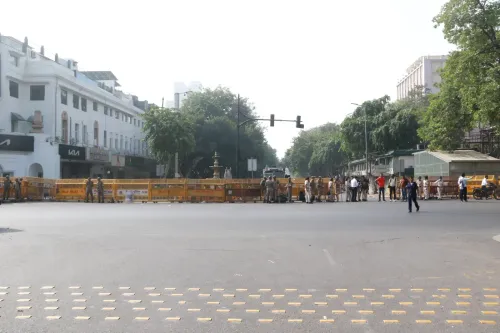
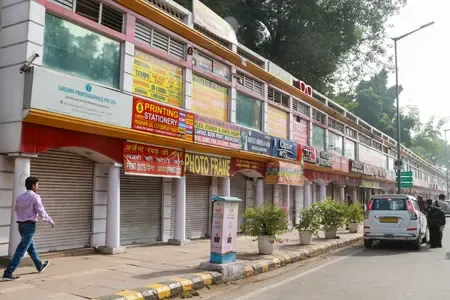
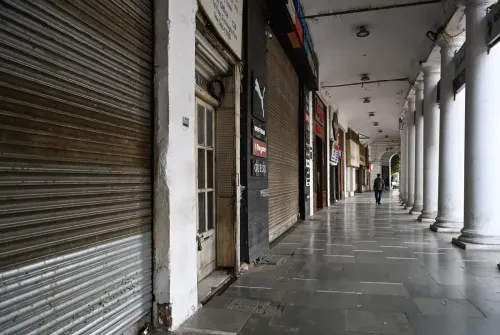
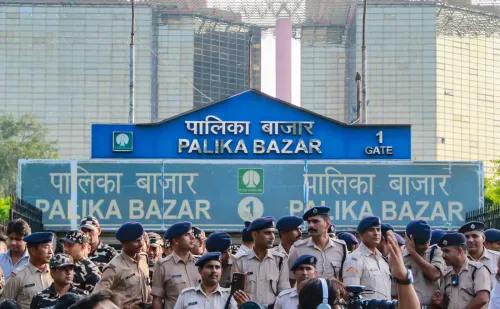
Traders in Delhi suffered estimated losses of ₹14,000 crore due to rallies and protests between 1 October and 1 November .
Retail automobile sales rose 55% nationally during the festive period; three-wheelers led at 110% growth.
Nearly five crore gifts were exchanged during the Diwali season, boosting festive sales volumes.
Markets including Chandni Chowk , Lajpat Nagar , and Rajouri Garden are reporting strong footfall recovery.
Delhi's festive trade during the Diwali 2026 season is projected to touch ₹80,000 crore, even as traders in the national capital work to recover an estimated ₹14,000 crore in losses caused by rallies and protests between 1 October and 1 November, the Chamber of Trade and Industry (CTI) said on Saturday, 7 November. At the national level, total festive-season business turnover is expected to reach approximately ₹5 lakh crore, according to the industry body.
Recovery under way across Delhi markets
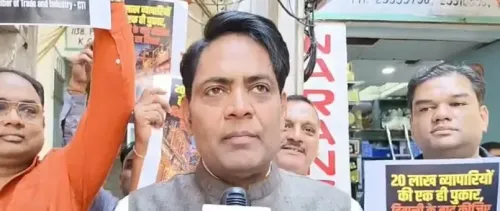
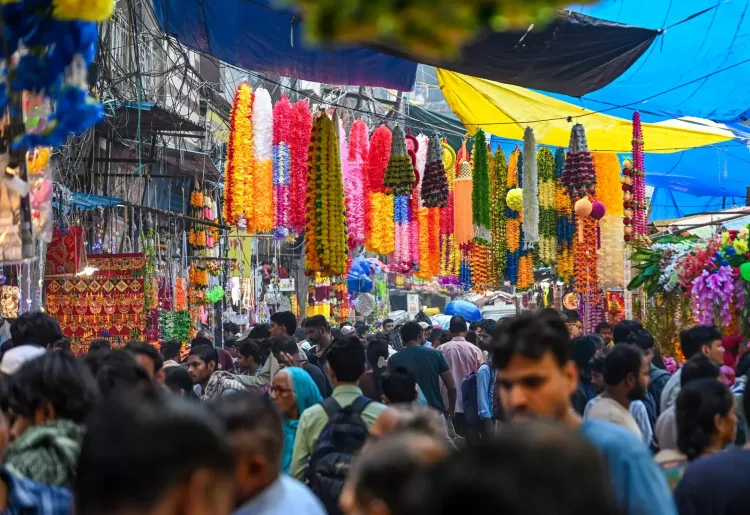
CTI Chairman Brijesh Goyal said business momentum has resumed sharply, with large crowds now thronging markets across the capital. Key commercial hubs — including Chandni Chowk, Dariba Kalan, Sadar Bazaar, Lajpat Nagar, Rajouri Garden, South Extension, Greater Kailash, Kamla Nagar, and Laxmi Nagar — are witnessing a surge in footfall. Automobile showrooms are also reporting brisk sales during the festive window, Goyal added.
The projected ₹80,000 crore in Delhi trade reflects trader optimism that a buoyant Diwali shopping rush will offset losses from the disruptions of the previous month. This comes amid a nationwide pattern of elevated festive demand that industry bodies have flagged as a strong indicator of consumer confidence.
Automobile sector posts standout growth
Retail automobile sales recorded a striking 55% growth across the country during the festive period, according to a report cited by Goyal from the apex automobile industry body. Segment-wise, three-wheelers led the surge at 110% growth, followed by passenger vehicles at 70%, tractors at 58%, two-wheelers at 52%, and commercial vehicles at 48%. These figures, Goyal said, reflect a broadly positive consumer outlook heading into the festive stretch.
Indigenous products and gifting drive demand
The CTI noted a marked emphasis on indigenous goods this season, with Indian-made products gaining renewed consumer preference. Home décor, earthen lamps (diyas), idols of deities, handicrafts, traditional auspicious symbols such as Shubh-Labh and Om, and items associated with the worship of Goddess Lakshmi and Lord Ganesha are among the top-selling categories. The body attributed this trend partly to GST reforms that it said have boosted the visibility and competitiveness of locally manufactured goods.
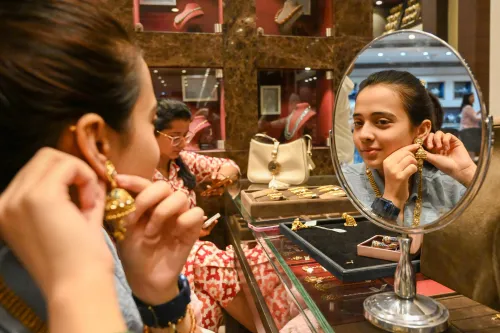
Nearly five crore gifts — ranging from affordable items to premium products — were exchanged during the festival period, contributing substantially to overall festive sales volumes, according to Goyal.
Sectors set for substantial festive business
The CTI's projections, arrived at after consultations with hotel and banquet associations, restaurant and mall associations, cinema associations, automobile dealer associations, tour and travel associations, and several market bodies, span a wide range of sectors. These include FMCG, consumer durables, electronics, mobile phones and accessories, fashion apparel, footwear, cosmetics, furniture, home furnishings, textiles, confectionery, snacks, and food and grocery segments. Traditional items such as sarees, gota-zari work, utensils, and dairy products also figure in the festive demand basket.
Losses from protests cast shadow on projections
Despite the upbeat outlook, Delhi's traders carry fresh scars. The ₹14,000 crore in estimated business losses during the protest period represents a significant revenue dent for the capital's trader community, which had already faced logistical disruptions over an extended period. The CTI figures are projections based on trade consultations and do not constitute independently audited data. Whether the final Diwali tally meets the ₹80,000 crore target will depend on the remaining days of the festive season and consumer spending holding up.
With major shopping corridors reporting a clear uptick in footfall and sectors from automobiles to handicrafts pointing to strong demand, Delhi's trader community is cautiously optimistic that this Diwali will deliver a meaningful recovery.
Point of View
000 crore projection is as much a statement of hope as it is a business forecast — traders are essentially betting that a compressed shopping window will erase a month of disruption-driven losses. That the ₹14,000 crore loss figure and the ₹80,000 crore target coexist in the same press release reveals the fragility of festive-season economies built on short, intense consumption bursts. The automobile data — 110% growth in three-wheelers — is a genuinely strong signal, but CTI's methodology relies on consultations with trade associations rather than verified transaction data, which means the headline numbers should be read as sentiment indicators, not hard accounts. The bigger story is structural: Delhi's street-level traders remain acutely exposed to political disruptions, with no formal mechanism to claim or recover losses from shutdowns.
NationPress
7 Nov 2026
Frequently Asked Questions
What is Delhi's projected Diwali trade figure for 2026?
The Chamber of Trade and Industry (CTI) has projected Delhi's Diwali 2026 trade at approximately ₹80,000 crore, based on consultations with trade associations across sectors. This estimate covers retail, services, automobiles, and festive gifting.
How much did Delhi traders lose due to protests before Diwali?
Delhi traders suffered estimated business losses of ₹14,000 crore during the period between 1 October and 1 November, when rallies and protests disrupted commercial activity in the capital, according to CTI.
What is the estimated nationwide festive turnover during Diwali 2026?
CTI estimates the nationwide business turnover during the ongoing Diwali festive season at approximately ₹5 lakh crore, encompassing Diwali shopping and associated services across sectors.
How did automobile sales perform during the Diwali festive season?
Retail automobile sales recorded 55% growth nationally during the festive period, according to a report cited by CTI Chairman Brijesh Goyal. Three-wheelers led at 110% growth, followed by passenger vehicles at 70% and tractors at 58%.
Which Delhi markets are seeing the most footfall during Diwali 2026?
Markets including Chandni Chowk, Dariba Kalan, Sadar Bazaar, Lajpat Nagar, Rajouri Garden, South Extension, Greater Kailash, Kamla Nagar, and Laxmi Nagar are witnessing increased customer footfall, according to CTI Chairman Brijesh Goyal.