Surat startup Inside FPV delivers 100 Kamikaze drones to Indian Army in 60 days
Synopsis
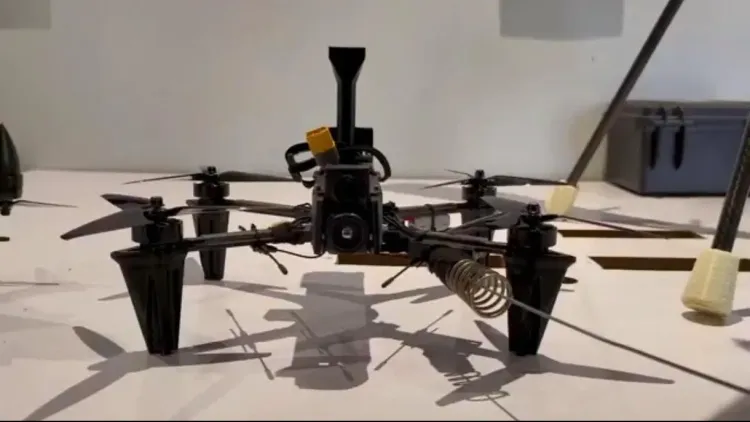
A Surat startup delivered 100 Kamikaze drones to the Indian Army in just 60 days — a turnaround that established defence contractors rarely match. Inside FPV's loitering munitions cost less than comparable imports and hit speeds above 250 km/h, signalling that India's defence indigenisation drive is moving from policy to the battlefield.
Key Takeaways
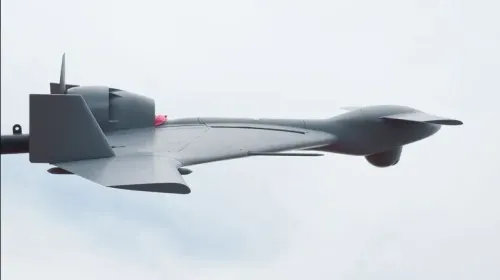
Inside FPV , a Surat -based defence startup, delivered 100 indigenous Kamikaze drones to the Indian Army within 60 days .
The one-time-use loitering munition operates at speeds exceeding 250 km per hour and is priced below comparable imported systems.
CEO Arth Chaudhary confirmed support from both the Union government and the Gujarat state government , including grants under the state's startup promotion policy.
Defence analyst T.P.
Tyagi said the platform 'reflects emerging trends in unmanned warfare and may hold significance in future operational planning.' The project is seen as a milestone for Atmanirbhar Bharat defence indigenisation, with startups entering segments previously dominated by legacy suppliers.
A Surat-based defence technology startup, Inside FPV, has delivered 100 indigenous Kamikaze drones to the Indian Army within 60 days, in what industry observers are describing as a remarkably compressed production cycle for India's defence manufacturing ecosystem. The delivery, announced on 26 June, underscores the growing role of private startups in fulfilling frontline military requirements.
What Was Delivered
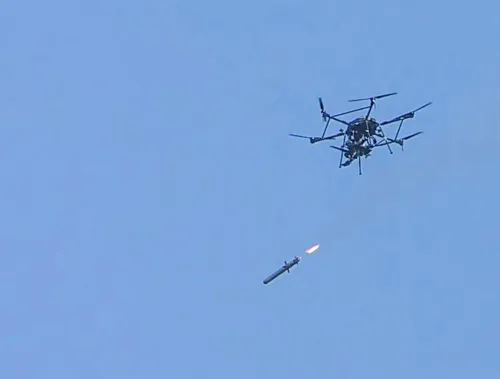
The system is a one-time-use Kamikaze drone — also known as a loitering munition — capable of operating at speeds exceeding 250 km per hour. Designed for high-impact precision strike roles, the company states that its cost is 'significantly lower than comparable imported systems', making it a potentially cost-effective alternative for large-scale deployment.
Government Support Behind the Push
Inside FPV Chief Executive Officer Arth Chaudhary credited both central and state governments for enabling the project's rapid execution. 'The Union government has provided strong support, and the state government has also extended grants to the company. Under the state's startup promotion policy, investment support has also been extended,' he said. The institutional backing reflects the Centre's broader push to channel defence contracts toward domestic innovators rather than established legacy suppliers.
Strategic Significance
Defence analyst T.P. Tyagi noted the platform's relevance in contemporary conflict environments. 'The platform reflects emerging trends in unmanned warfare and may hold significance in future operational planning,' he said. Loitering munitions have gained prominence globally following their extensive use in recent conflicts, and India's armed forces have been actively seeking indigenous alternatives to reduce import dependence.
Atmanirbhar Bharat in Action
The Inside FPV delivery is being viewed as a concrete example of the Atmanirbhar Bharat (self-reliant India) defence indigenisation drive bearing tangible results. Startups are increasingly entering segments — particularly unmanned aerial systems — that were previously dominated by large public-sector undertakings and established private defence contractors. The 60-day turnaround from development to bulk delivery is being cited within industry circles as a benchmark for agile defence manufacturing in India.
With the Indian Army continuing to expand its drone capabilities, further orders and similar rapid-delivery contracts from defence startups are expected to follow.
Point of View
Agile firms responding directly to operational requirements without the drag of legacy procurement timelines. The real question is whether the Indian Army's quality assurance and long-term serviceability standards have kept pace with the speed of delivery, or whether rapid indigenisation is being prioritised over rigorous validation. If the latter, today's headline could become tomorrow's operational liability.
NationPress
25 Sept 2026
Frequently Asked Questions
What is the Kamikaze drone delivered by Inside FPV to the Indian Army?
It is an indigenously developed one-time-use loitering munition capable of speeds exceeding 250 km per hour, designed for high-impact precision strike roles. Inside FPV, a Surat-based defence startup, delivered 100 units to the Indian Army within 60 days.
Who is Inside FPV and where is it based?
Inside FPV is a defence technology startup headquartered in Surat, Gujarat. The company focuses on unmanned aerial systems and has received support from both the Union government and the Gujarat state government under startup promotion policies.
Why is the 60-day delivery timeline significant?
A turnaround of 60 days from development to bulk delivery of 100 units is considered unusually fast in India's defence manufacturing ecosystem, where procurement cycles often span years. Industry observers are citing it as a benchmark for agile defence production.
How does the cost of Inside FPV's drone compare to imported alternatives?
According to the company, the cost of its Kamikaze drone is significantly lower than comparable imported systems, making it a potentially cost-effective option for large-scale deployment by the Indian armed forces.
How does this fit into India's Atmanirbhar Bharat defence goals?
The delivery is seen as a concrete outcome of the Atmanirbhar Bharat (self-reliant India) initiative, which encourages domestic defence manufacturing. It also highlights a shift in India's defence ecosystem, with startups entering segments traditionally dominated by large public-sector undertakings and established private contractors.