IRDAI proposes sweeping insurance distribution reforms to cut costs, curb mis-selling

Synopsis
India's insurance regulator has put hard data to a widely suspected problem: distributor payouts grew 125% in two years while premiums grew just 28%. IRDAI's consultation paper proposes commission caps, claw-backs for mis-selling, and mandatory disclosures — the most ambitious overhaul of insurance distribution economics in years.
Key Takeaways
The IRDAI released a consultation paper on 24 September 2026 proposing a simpler three-tier distribution architecture for India's insurance sector.
Distributor remuneration surged 125% — from ₹9,580 crore to ₹21,600 crore — between FY23 and FY25, while new business premiums grew just 28% .
General insurance broker commissions jumped 173% over the same period; routed premiums grew by only 37% .
Health insurance first-year commissions would be capped at 15%–20% ; renewal payouts restricted to 5%–10% .
Life insurer Expense of Management (EoM) limits proposed at 15% within two years and 12.5% within five years.
Anti-mis-selling measures include seller-linked policy IDs, public disclosure of mis-selling data, and commission claw-backs .
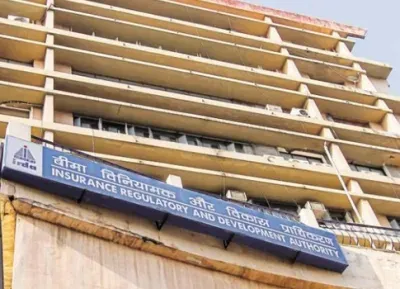
The Insurance Regulatory and Development Authority of India (IRDAI) has released a public consultation paper titled 'Recalibrating Economics of Insurance Distribution', proposing sweeping reforms to the country's insurance distribution framework. The draft proposes a simpler three-tier architecture designed to lower costs for policyholders, improve transparency, and crack down on rampant mis-selling. The paper was released for public consultation on 24 September 2026.
What the Reforms Propose
At the heart of the draft is a proposal to bring all direct and indirect payments — including promotional expenses, brand fees, and rewards — within the regulatory definition of commission. According to the IRDAI paper, such additional payments currently inflate total distributor payouts by 30% to 60% above declared base commission levels, obscuring the true cost of distribution from both regulators and consumers.
Under the proposed norms, insurers and large distribution entities would be required to disclose commission policies in a simple and accessible format. Specified commercial policies would also carry commission disclosures, enabling customers to understand the distribution costs embedded in their premiums. The paper further proposes prohibiting volume-linked or reward-linked incentives for bank and Non-Banking Financial Company (NBFC) staff who sell insurance products — a measure aimed squarely at bancassurance mis-selling.
Key Numbers: Distributor Payouts Have Outrun Premiums
The consultation paper puts hard numbers to what critics have long argued about India's insurance distribution model. Between FY23 and FY25, new business premium generated through a sampled group of corporate agents rose 28% — from ₹63,000 crore to ₹80,000 crore. Over the same two-year period, total distributor remuneration, including base commissions, rewards, and incentives, surged 125% — from ₹9,580 crore to ₹21,600 crore. Effective distributor payouts now account for roughly 27% of first-year life insurance premiums.
The picture in general insurance is even starker. Broker commissions jumped 173% — from ₹6,348 crore in FY23 to ₹17,348 crore in FY25 — while the premiums they routed grew by only 37%. Retail lines such as Motor Own Damage and Health insurance saw new business commission rates more than double during this period, according to the paper.
Proposed Commission Caps and EoM Limits
The draft proposes capping general insurance commissions across the board. Health insurance first-year commissions would be capped at 15% to 20%, with renewal and porting payouts restricted to just 5% to 10%. First-year commissions for distribution entities would be limited to between 5% and 20% depending on tenure — a sharp reduction from effective payouts that have reached up to 60% when promotional spends and rewards are included. Mandatory covers such as motor third-party policies would carry little to no commission under the proposed regime.
On the expense side, the paper proposes revising Expense of Management (EoM) limits. For life insurers, the EoM limit would shift to a company-level basis linked to Gross Direct Premium Income (GDPI), with a ceiling of 15% within two years and 12.5% within five years. For general insurers, the calculation base would shift from Gross Written Premium (GWP) to domestic GDPI, with the EoM limit declining progressively from 30% of GWP to 20% of GDPI within five years.
Bancassurance and Loan-Linked Products Under the Scanner
The paper highlights severe distortions in bancassurance and loan-linked insurance products. Banks account for nearly 45% of private life insurers' premiums, yet commission payouts vary widely. Under multiple tie-up arrangements, average total payouts stand at 33% and can reach as high as 72%, compared with just 13% for single tie-up banks.
Group Credit Life insurance products — sold primarily at the point of loan origination — saw payouts climb from around 5% in FY23 to as high as 45% in FY25, the paper noted. Regulators argue this structure limits customer choice and bundles insurance in ways that may not serve their interests.
Anti-Mis-Selling Measures and What Comes Next
To address mis-selling directly, the IRDAI has proposed linking the identity of the individual seller to each policy, placing data on mis-selling incidents in the public domain, and allowing commission claw-backs in verified cases of mis-selling. The regulator has also proposed restricting compulsory bundling of insurance with other financial products.
The paper is open for public comment, with industry bodies, insurers, and consumer groups expected to submit their responses in the coming weeks. Final regulations, if adopted, would mark the most significant overhaul of India's insurance distribution economics in years — and could materially reshape the competitive landscape for banks, brokers, and agents alike.
Point of View
With some banks pocketing effective payouts of up to 72%, raising the uncomfortable question of whether product recommendations at loan origination can ever be truly independent. Commission claw-back provisions are a genuine first, but enforcement will determine whether this is a reform or a consultation paper that quietly fades. The regulator has correctly diagnosed the disease; the harder test is whether the final rules survive the lobbying firepower of the banking sector.
NationPress
24 Sept 2026
Frequently Asked Questions
What is the IRDAI insurance distribution reform proposal?
It is a public consultation paper titled 'Recalibrating Economics of Insurance Distribution', released by the IRDAI on 24 September 2026. It proposes a three-tier distribution architecture, caps on commissions, mandatory disclosures, and anti-mis-selling measures including commission claw-backs.
Why is IRDAI proposing changes to insurance commissions?
According to the IRDAI paper, distributor remuneration grew 125% — from ₹9,580 crore to ₹21,600 crore — between FY23 and FY25, while new business premiums grew only 28%. The regulator argues this high-cost, commission-led model hurts policyholder value and suppresses long-term policy retention.
What commission caps are being proposed for health insurance?
The paper proposes capping first-year health insurance commissions at 15% to 20%, with renewal and porting payouts restricted to just 5% to 10%. First-year commissions for distribution entities overall would be limited to between 5% and 20% depending on tenure.
How are banks and NBFCs affected by the proposed reforms?
The IRDAI has proposed prohibiting volume-linked and reward-linked incentives for bank and NBFC staff who sell insurance. Banks operating under multiple tie-up arrangements currently receive average total payouts of 33%, with some reaching 72%, which the regulator says distorts product recommendations.
What anti-mis-selling steps does the IRDAI paper propose?
The paper proposes linking each policy to the identity of the individual seller, placing mis-selling incident data in the public domain, and allowing commission claw-backs in verified cases of mis-selling. It also proposes restricting compulsory bundling of insurance with other financial products.