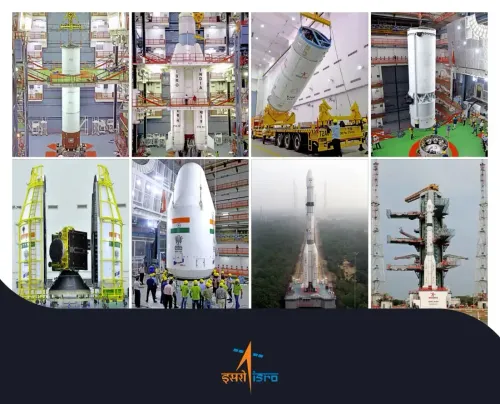
ISRO launches GSLV-F18 with NavIC satellite NVS-03 tonight at 11:51 pm
Synopsis
ISRO's GSLV-F18 lifts off tonight with NVS-03 — the third second-generation NavIC satellite — marking the 20th GSLV flight. The satellite's L1 signal addition could make India's homegrown navigation system compatible with mainstream consumer GPS devices for the first time, a quiet but consequential upgrade.
Key Takeaways
ISRO is launching GSLV-F18/NVS-03 at 11:51 pm IST on 30 October 2026 from Sriharikota, Andhra Pradesh .
This is the 20th flight of the Geosynchronous Satellite Launch Vehicle (GSLV) .
NVS-03 is the third satellite in India's second-generation NavIC series; ISRO plans five such satellites in total.
The satellite adds the L1 navigation signal to the existing L5 and S signals, broadening compatibility with global navigation devices.
NVS-03 carries an indigenous atomic clock and covers India plus a region extending 1,500 km beyond its geopolitical boundary.
The second-generation NavIC series began with NVS-01 , launched on 29 May 2023 aboard GSLV-F12.
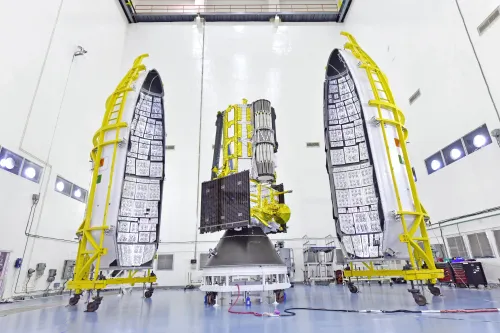
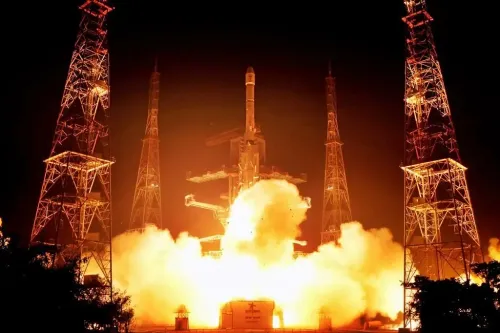
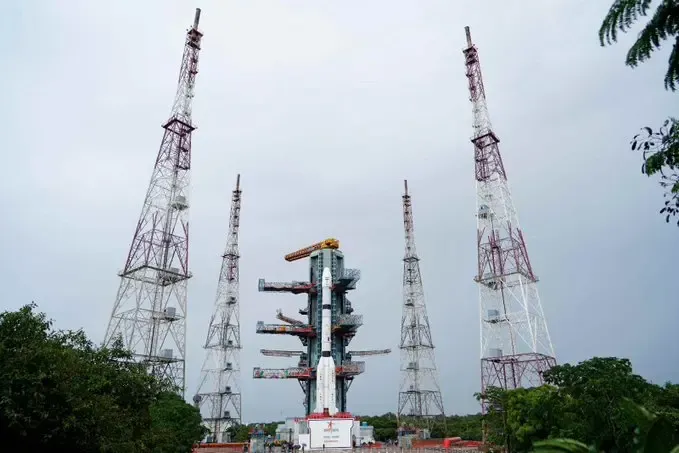
The Indian Space Research Organisation (ISRO) is set to launch its GSLV-F18/NVS-03 mission at 11:51 pm IST on 30 October 2026 from the Satish Dhawan Space Centre (SDSC SHAR) in Sriharikota, Andhra Pradesh. The mission will deploy NVS-03, the third satellite in India's second-generation Navigation with Indian Constellation (NavIC) series, into a Geosynchronous Transfer Orbit (GTO).
Mission at a Glance
The launch marks the 20th flight of India's Geosynchronous Satellite Launch Vehicle (GSLV), lifting off from the space centre's Second Launch Pad (SLP). ISRO confirmed the schedule in a post on X, stating: 'Launch Day! The GSLV-F18/NVS-03 Mission is scheduled for launch today, 30 October 2026, at 23:51 hrs IST from Satish Dhawan Space Centre (SDSC SHAR), Sriharikota.'
ISRO has envisaged five second-generation navigation satellites to augment the existing NavIC constellation with enhanced features and ensure continuity of services.
What NVS-03 Brings to NavIC
NVS-03 is designed to augment the NavIC constellation and ensure uninterrupted navigation services over India and surrounding regions. The satellite carries an indigenous atomic clock alongside procured atomic clocks — a key capability for precise timing. Crucially, it introduces the L1 navigation signal in addition to the existing L5 and S signals, significantly broadening interoperability with global navigation devices. According to ISRO, this L1 signal will cover the Indian landmass and a region extending 1,500 km around India's geopolitical boundary.
The addition of L1 is particularly significant because most commercial smartphones and GPS receivers worldwide are tuned to the L1 frequency band, meaning NVS-03 could make NavIC compatible with a far wider range of consumer devices.
NavIC and the Second-Generation Upgrade
NavIC is India's independent regional navigation satellite system, developed to deliver accurate Position, Velocity and Timing (PVT) services to users across India and approximately 1,500 km beyond the Indian landmass. The system offers two service tiers: the Standard Positioning Service (SPS) for civilian users and the Restricted Service (RS), an encrypted channel for authorised — typically defence and strategic — users.
The second-generation upgrade was set in motion with the launch of NVS-01 aboard the GSLV-F12 mission on 29 May 2023, which was also the first time an indigenous atomic clock was flown on an Indian navigation satellite. NVS-03 continues that trajectory, building on the constellation's resilience and precision.
Strategic and Civilian Significance
NavIC supports a broad range of applications — from transportation and logistics to location-based services, fisheries, disaster management, and precision agriculture. India's push to field an independent navigation system carries both strategic value — reducing reliance on foreign GPS infrastructure — and growing commercial relevance as domestic chipmakers begin integrating NavIC support.
With the GSLV-F18/NVS-03 mission, ISRO takes another step toward a more capable and resilient constellation. The next milestones will depend on the successful commissioning of NVS-03 and the subsequent launches of the remaining second-generation satellites.
Point of View
NavIC was largely invisible to the billions of standard GPS receivers in phones and vehicles worldwide; with it, the system edges toward genuine civilian mass-market relevance. India has built a credible independent navigation capability, yet chipset and device integration has lagged — the L1 upgrade is the technical prerequisite for closing that gap. The real test now is whether Indian regulators and handset makers mandate or incentivise NavIC support at scale, turning a strategic asset into an everyday utility.
NationPress
30 Oct 2026
Frequently Asked Questions
What is the ISRO GSLV-F18/NVS-03 mission?
It is ISRO's mission to launch NVS-03, the third second-generation NavIC navigation satellite, into Geosynchronous Transfer Orbit using the GSLV-F18 rocket. The launch is scheduled for 11:51 pm IST on 30 October 2026 from Sriharikota, and marks the 20th flight of the GSLV rocket family.
What is NavIC and why does India have its own navigation system?
NavIC (Navigation with Indian Constellation) is India's independent regional satellite navigation system, providing Position, Velocity and Timing services over India and up to 1,500 km beyond its borders. India developed it to reduce strategic dependence on foreign systems like the US GPS, offering both a civilian Standard Positioning Service and an encrypted Restricted Service for authorised users.
What does the L1 signal addition in NVS-03 mean?
NVS-03 introduces the L1 frequency band signal alongside the existing L5 and S signals. L1 is the frequency used by most commercial GPS receivers and smartphones globally, meaning its inclusion could make NavIC compatible with a much wider range of consumer devices than the current constellation supports.
How does NVS-03 fit into the broader NavIC upgrade plan?
NVS-03 is the third of five planned second-generation NavIC satellites. The series began with NVS-01, launched on 29 May 2023, which was also the first Indian navigation satellite to carry an indigenous atomic clock. Each new satellite enhances the constellation's precision, resilience, and coverage.
What applications does NavIC support?
NavIC is designed to support transportation, logistics, location-based services, fisheries guidance, disaster management, and precision agriculture, among other navigation-dependent activities. The second-generation upgrades aim to extend these capabilities to a broader range of devices and use cases.