Jagrani Paikra of Balrampur turns NRLM loan into shop, mill
Synopsis
A ₹90,000 Community Investment Fund loan in 2018 was enough for Jagrani Paikra of Basin village in Balrampur to open a grocery shop, add a rice huller, and lift her household to ₹10,000–₹15,000 a month. She credits the Champa SHG and NRLM — and has become a local reference point for other rural women.
Key Takeaways
Jagrani Paikra of Basin village in Balrampur , Chhattisgarh , took a ₹90,000 loan in 2018 via an NRLM self-help group.
She opened a grocery shop, later added a rice huller and farming, and now earns about ₹10,000 to ₹15,000 a month.
The funds came through the Community Investment Fund after she joined the Champa women's SHG.
Yamuna Paikra works at the shop with her and said the 2018 loan enabled them to start the business.
Paikra thanked the Centre and Prime Minister Narendra Modi for the scheme and asked that such support continue for SHG women.
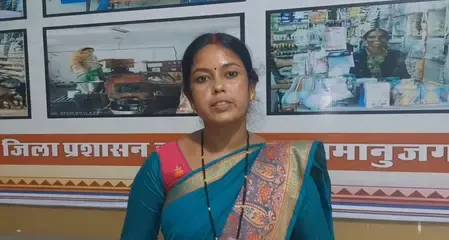
Jagrani Paikra, a resident of Basin village in Balrampur district of Chhattisgarh, has turned a ₹90,000 loan taken in 2018 through a women's self-help group under the National Rural Livelihood Mission (NRLM) into a grocery shop and rice mill that now generate ₹10,000 to ₹15,000 a month. Her path from strained household budgets to a modest rural enterprise is being held up as an example of self-reliance for other women in the district.
From household hardship to the Champa SHG
Until she joined the group, Paikra found it hard to make both ends meet. Her family toiled to cover monthly expenses, and running the home on a very limited income, with few resources, was a struggle she later described as almost too tough to handle. Rather than surrender to those circumstances, she decided to take matters into her own hands.
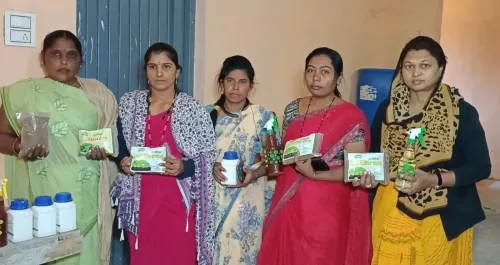
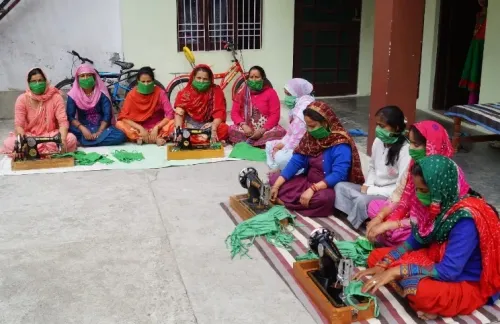
She enrolled in the Champa women's self-help group, which functions under the NRLM, the Centre's flagship rural livelihoods programme. The group, she has said, gave her not only financial support but also the self-confidence to stand on her own feet. That combination — credit plus peer backing — is the mechanism through which the mission is designed to move women from unpaid household work into small enterprise.
Grocery shop, huller machine and farming
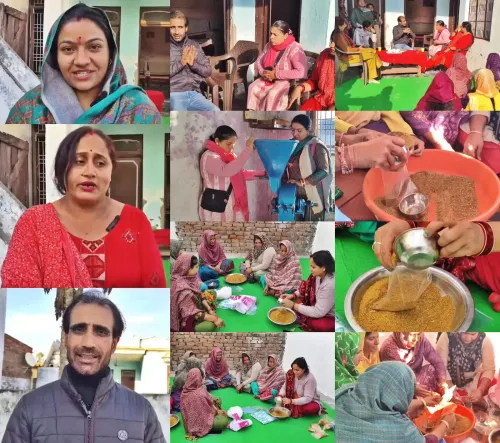
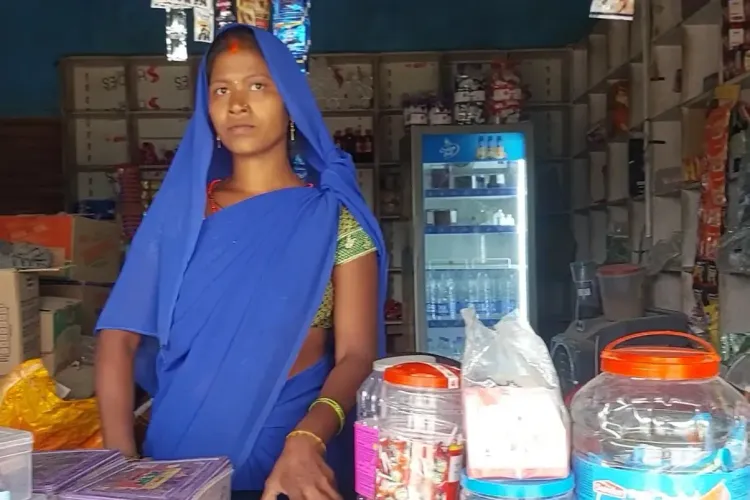
In 2018, Paikra accessed funds through the Community Investment Fund and opened a small grocery shop. As the shop began to generate income, she installed a rice-milling machine, known as a huller, which became an additional source of earnings. She also moved into farming. Today, the grocery shop and the rice mill together bring in about ₹10,000 to ₹15,000 a month.
Yamuna Paikra, who works at the shop alongside her, said they run the counter together. Yamuna recalled that her sister-in-law took out a loan in 2018, which enabled them to start the business. The shop is therefore not a one-person stall; it is a family-run unit that grew from a single SHG-linked loan.
What Jagrani Paikra told reporters
Recounting the journey, she said: “In 2018, I accessed funds through the Community Investment Fund and opened a small shop. As the shop began to generate income, I installed a rice-milling machine (huller machine), which has become an additional source of earnings. My grocery shop has grown significantly, and I now earn approximately Rs 10,000 to Rs 15,000 per month.”
She added: “This scheme has been highly beneficial for us, and I would like to thank the Central Government and PM Modi for implementing such initiatives.” She also expressed a hope that such schemes would continue so that women from self-help groups — who come from humble backgrounds — can progress.
NRLM's design and why this case is being cited
Paikra's success is being presented as more than one woman's enterprise. It is also being treated as an illustration of government initiatives aimed at the economic empowerment of rural women. Notably, the NRLM focuses on integrating women into self-help groups and thereby creating openings for economic activity and self-employment. The sequence in Basin village — group membership, Community Investment Fund, a shop, then a processing machine — follows that design closely.
This comes amid a wider effort to show that rural women, when given credit, a group, and a usable asset such as a huller, can change the cash flow of an entire household. Balrampur is a paddy-growing belt; a village rice mill sits naturally next to a grocery shop in that setting. Women such as Paikra are being cited as proof that opportunity, support and guidance can alter not only their own circumstances but those of their families.
What it means for other SHG members
For other members of groups like Champa, the practical lesson is specific: a first loan can fund a shop; surplus from the shop can fund a mill; farming can sit alongside both. The story does not, by itself, map how many SHG members in the district have followed the same path, but it does make the pathway visible. Whether more women in Basin village and neighbouring panchayats can repeat it will depend on continued access to the Community Investment Fund and on whether local markets can absorb more hullers and kirana shops.
As of 25 November, Paikra's shop and mill remain the most concrete marker of what the 2018 loan produced. Her appeal that such schemes continue is, in effect, a call for the NRLM pipeline — groups, funds and machines — to stay open for women who start from the same humble background she did.
Point of View
Her ₹10,000–₹15,000 is real, and so is her gratitude to the Centre. What often gets skipped is the denominator: how many Champa-type members in Balrampur never got a huller, never found a market, or never made this leap. NRLM's promise is not one grocery shop; it is a pipeline. Until districts show how many loans become lasting enterprises, profiles like this will do more political work than they do policy work.
NationPress
25 Nov 2026
Frequently Asked Questions
Who is Jagrani Paikra of Balrampur?
Jagrani Paikra is a resident of Basin village in Balrampur district, Chhattisgarh, who joined the Champa women's self-help group under the NRLM and built a grocery shop and rice mill after a 2018 loan. She is being cited locally as an example of rural women's self-reliance.
How did Jagrani Paikra start her grocery shop and rice mill?
She accessed funds through the Community Investment Fund in 2018 after joining the Champa SHG and opened a small grocery shop. As the shop generated income, she installed a rice-milling huller and also took up farming.
How much does Jagrani Paikra earn from her shop and mill?
Her grocery shop and rice mill together generate about ₹10,000 to ₹15,000 a month, according to her. That income followed the ₹90,000 loan she took in 2018.
What is the NRLM role in this Balrampur SHG story?
The National Rural Livelihood Mission organised her into a women's self-help group and provided access to the Community Investment Fund that financed the shop. The mission is designed to create self-employment opportunities for rural women through such groups.
Who works with Jagrani Paikra at the shop?
Yamuna Paikra works at the shop alongside her and said they run it together. She stated that her sister-in-law's 2018 loan enabled them to start the business.