Jaishankar highlights Mann Ki Baat 134 key moments
Synopsis
EAM Dr. S. Jaishankar amplified PM Modi's 134th Mann Ki Baat, spotlighting the Netherlands' return of Chola copper plates, India's mango export push, back-to-back 100m national records in Ranchi by Gurindervir Singh and Animesh Kujur, and a Gangetic dolphin rescue in Uttar Pradesh.
Key Takeaways
Jaishankar shared highlights from the 134th edition of Mann Ki Baat on 31 May 2026 .
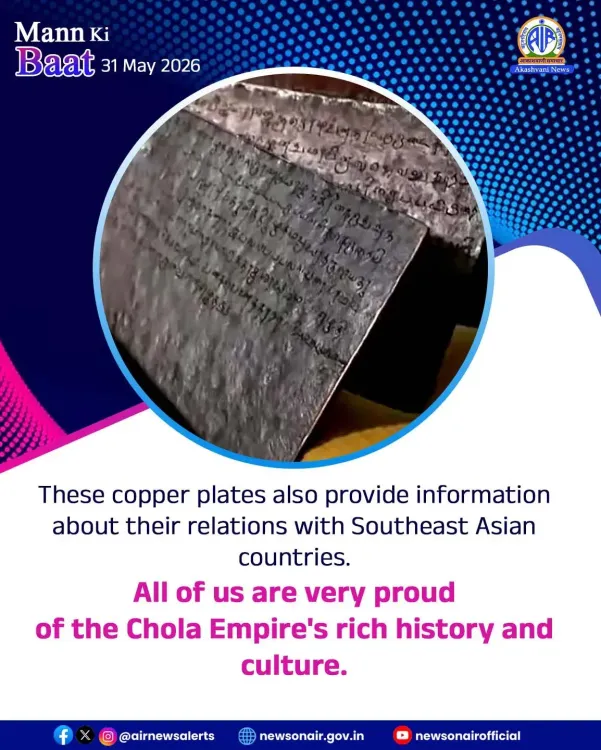
The Netherlands returned Chola-era copper plates to India during PM Modi's recent visit , marking a cultural-diplomacy win.
The Men's 100-metre national record was broken three times in two days at the National Senior Athletics Federation Competition in Ranchi by Gurindervir Singh and Animesh Kujur .
A Gangetic dolphin was rescued in Uttar Pradesh with the help of the Ganga dolphin rescue ambulance .
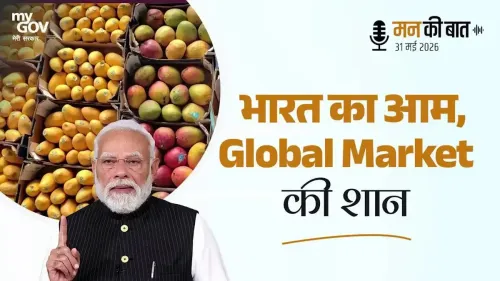
India's diverse mango varieties are increasingly being exported from villages to global markets , alongside strong domestic consumption.
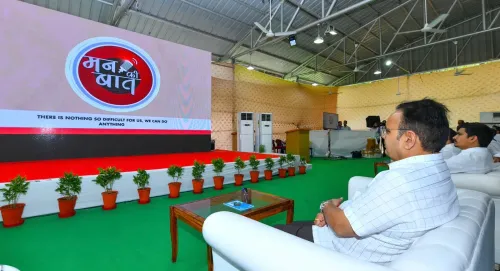
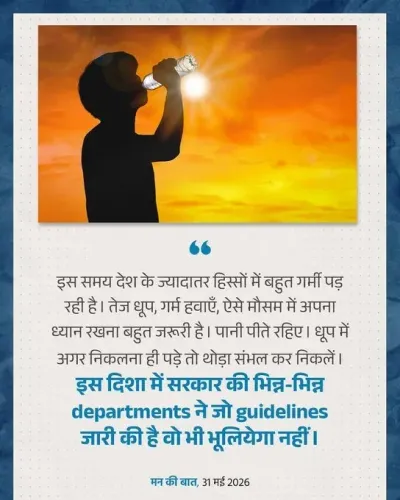
Union External Affairs Minister Dr. S. Jaishankar on Sunday, 31 May 2026, shared highlights from the 134th edition of Mann Ki Baat, the monthly radio address by Prime Minister Narendra Modi, underscoring themes of cultural diplomacy, agricultural exports, athletic achievement, and wildlife conservation.
Context
Mann Ki Baat, launched in October 2014, is PM Modi's flagship direct-communication programme that spotlights citizen stories and national achievements. In the 134th edition, the Prime Minister wove together four distinct threads — antiquity repatriation, mango exports, athletics records, and a dolphin rescue — to present a composite portrait of India's domestic vitality and global engagement.
Dr. Jaishankar's decision to amplify the programme's highlights on his personal social-media handle signals the External Affairs Ministry's stake in at least two of the four themes: cultural diplomacy and agricultural export outreach, both of which carry a direct foreign-policy dimension.
Policy Backdrop
The most diplomatically significant highlight concerns PM Modi's recent visit to the Netherlands, during which the Dutch government returned ancient Chola-era copper plates. The Chola dynasty, which flourished roughly between the 9th and 13th centuries, left behind copper-plate inscriptions that document the empire's maritime trade networks, administrative achievements, and overseas cultural influence. The repatriation adds to a growing list of antiquities returned to India by partner nations since 2014, as New Delhi has intensified cultural-heritage diplomacy with European and Western governments.
On the agricultural front, PM Modi highlighted India's diverse mango varieties — distinguished by appearance, colour, and flavour — travelling from Indian villages to global markets. This aligns with sustained government efforts to expand exports of Geographical Indication-tagged produce, positioning Indian agriculture as a premium global offering rather than a commodity trade.
Stakeholders and Impact
In the sporting arena, the National Senior Athletics Federation Competition held in Ranchi became the site of a historic achievement: the national record for the Men's 100-metre race was broken three times in two days by sprinters Gurindervir Singh and Animesh Kujur. The repeated breaking of the same record within a single meet is an exceptional marker of the depth of sprinting talent emerging at the domestic competition level.
The fourth highlight drew attention to wildlife conservation: a Gangetic dolphin — a species protected under India's Wildlife Protection Act and a focus of the Namami Gange river-conservation programme — was rescued in Uttar Pradesh after hours of effort. The Ganga dolphin rescue ambulance, a specialised infrastructure asset deployed under river-ecosystem initiatives, played a central role in the operation. The Gangetic dolphin is India's national aquatic animal and its conservation is considered a barometer of the health of the Ganga river system.
What's Next
Diplomatic observers will watch for any formal announcement of an India-Netherlands cultural Memorandum of Understanding that could institutionalise future artifact exchanges. On the athletics front, the performances of Gurindervir Singh and Animesh Kujur are expected to draw attention ahead of upcoming national and international competition calendars. The Gangetic dolphin rescue also reinforces calls from conservation groups for wider deployment of specialised river-rescue infrastructure beyond Uttar Pradesh. The 135th edition of Mann Ki Baat will be watched closely to see whether these threads — particularly cultural repatriation and sprint athletics — are followed up with policy announcements.
Point of View
Export growth, sporting excellence, and ecological conservation as a unified foreign-policy narrative. The Chola copper-plate repatriation from the Netherlands fits squarely into India's intensifying civilisational-diplomacy arc, where historical artifacts become instruments of bilateral goodwill. Simultaneously, spotlighting sprint records and a dolphin rescue reinforces the government's domestic-capacity-building story for an international audience. Together, these choices reflect a conscious effort to project India as a nation simultaneously reclaiming its heritage, expanding its economic footprint, and investing in its people and environment.
NationPress
14 Oct 2026
Frequently Asked Questions
What was highlighted in Mann Ki Baat 134th episode?
The 134th edition of Mann Ki Baat featured four key themes: the return of Chola-era copper plates by the Netherlands, India's growing mango exports to global markets, the breaking of the Men's 100-metre national record three times in two days at Ranchi, and the rescue of a Gangetic dolphin in Uttar Pradesh.
What are the Chola copper plates returned by the Netherlands?
The Chola-era copper plates are ancient inscriptions from the Chola dynasty (roughly 9th–13th century) that document the empire's maritime strength, administrative achievements, and global trade connections. The Netherlands returned them to India during PM Modi's recent state visit.
Who broke the Men's 100-metre national record in Ranchi?
Sprinters Gurindervir Singh and Animesh Kujur broke the Men's 100-metre national record three times in just two days at the National Senior Athletics Federation Competition held in Ranchi.
What is the Ganga dolphin rescue ambulance?
The Ganga dolphin rescue ambulance is a specialised wildlife-rescue vehicle deployed under India's river-conservation initiatives, including the Namami Gange programme, to respond to distress situations involving the endangered Gangetic dolphin — India's national aquatic animal.
Why did EAM Jaishankar post about Mann Ki Baat?
As External Affairs Minister, Dr. Jaishankar shared the Mann Ki Baat highlights because at least two of the four themes — cultural repatriation from the Netherlands and expanding agricultural exports — carry a direct foreign-policy and diplomatic dimension relevant to his ministry's work.