Shekhawat hails PM Modi's Mann Ki Baat heritage push
Synopsis
Culture Minister Gajendra Singh Shekhawat has lauded PM Modi for using Mann Ki Baat to spotlight 1,500-year-old copper plates from Malhar, Chhattisgarh, and for securing the return of Chola-era copper plates from the Netherlands through bilateral diplomacy.
Key Takeaways
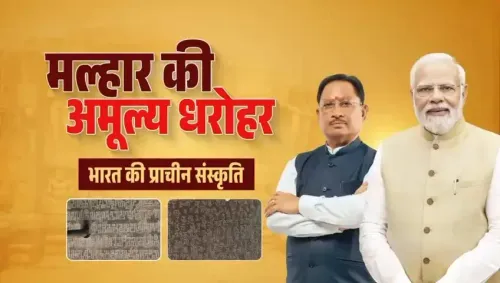
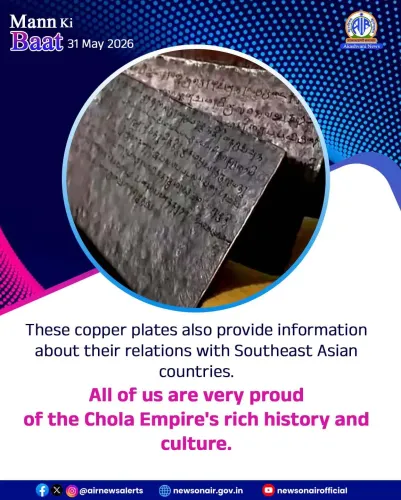
PM Narendra Modi highlighted approximately 1,500-year-old copper plates found at Malhar, Chhattisgarh during the 31 May 2026 edition of Mann Ki Baat .
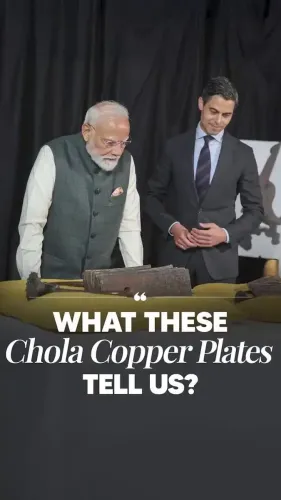
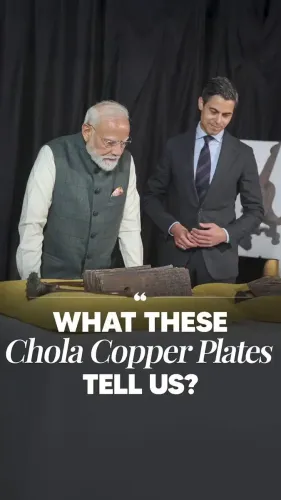
The Netherlands has returned Chola-period copper plates to India, an outcome credited to PM Modi's diplomatic initiative.
Culture Minister Gajendra Singh Shekhawat credited the Gyan Bharatam campaign entirely to PM Modi's vision and direction.
The Archaeological Survey of India (ASI) is the nodal agency for conservation and documentation of such heritage finds.
India's repatriation drive since 2014 has secured the return of antiquities from multiple countries through bilateral cultural agreements.
Mann Ki Baat , launched in October 2014 , continues to serve as a key platform for mainstreaming heritage awareness among the public.
Union Culture and Tourism Minister Gajendra Singh Shekhawat on Sunday, 31 May 2026 praised Prime Minister Narendra Modi for spotlighting ancient copper-plate inscriptions from Malhar, Chhattisgarh, during the latest episode of Mann Ki Baat, and credited the Prime Minister's diplomatic outreach for securing the return of Chola-period copper plates from the Netherlands.
Context
In his post, Minister Shekhawat noted that Prime Minister Modi, during the 31 May 2026 edition of Mann Ki Baat, drew public attention to copper plates discovered at Malhar in Chhattisgarh that are estimated to be approximately 1,500 years old. The minister wrote: 'Aaj ka Bharat apni virasat se judkar use sahejne ke vishay mein unnat hai' — 'Today's India is advanced in connecting with and preserving its heritage.'
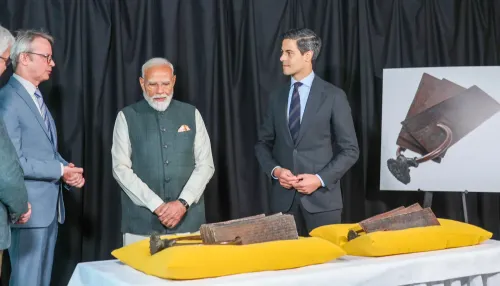
Shekhawat also highlighted that the Netherlands has handed over Chola-era copper plaques to India, an outcome he attributed directly to Prime Minister Modi's personal initiative in bilateral cultural diplomacy.
Policy Backdrop
Mann Ki Baat, the Prime Minister's monthly radio address launched in October 2014, has repeatedly served as a platform to amplify heritage conservation milestones and build public awareness around archaeological discoveries. The programme reaches tens of millions of listeners across India and is broadcast in multiple regional languages.
India's cultural diplomacy since 2014 has produced a series of bilateral agreements resulting in the repatriation of antiquities from museums and private collections abroad. The return of artefacts from European nations — including the Netherlands in the present instance — forms part of a broader pattern of leveraging high-level diplomatic engagement to recover items of historical significance. The Archaeological Survey of India (ASI), referenced by Shekhawat in his post, is the central agency responsible for excavation, conservation, and documentation of such finds.
The Gyan Bharatam campaign, which Shekhawat described as conceived and driven by Prime Minister Modi's vision, aims to preserve and promote India's knowledge traditions and manuscript heritage. The Ministry of Culture's focus on manuscript and copper-plate digitisation has earlier roots in the National Mission for Manuscripts, established in 2003, but received renewed institutional impetus after 2014.
Stakeholders and Impact
The Malhar site in Chhattisgarh has long been of interest to archaeologists and heritage researchers for its layered history spanning multiple ancient dynasties. The public mention of its copper-plate finds in a nationally broadcast address is expected to draw fresh scholarly and tourist attention to the site and to the broader Chhattisgarh heritage corridor.
For the Chola-period plates returned by the Netherlands, the repatriation carries symbolic weight for communities and scholars invested in South Indian cultural history. Such returns also reinforce India's standing in international negotiations over displaced cultural property, a cause that has gained significant momentum over the past decade.
What's Next
Attention will now turn to the rollout milestones of the Gyan Bharatam campaign and whether the Ministry of Culture schedules a formal display or academic documentation exercise for the Malhar copper plates. Further repatriation announcements are possible during upcoming bilateral diplomatic meetings or culture ministry events. The consistent use of Mann Ki Baat as a heritage communication tool suggests that archaeological and repatriation developments will continue to feature prominently in the government's public outreach calendar.
Point of View
Tying three distinct heritage wins — a domestic archaeological find, an international repatriation, and a knowledge-preservation campaign — directly to PM Modi's personal initiative. This follows a well-established pattern in which the ruling dispensation uses cultural diplomacy as a soft-power narrative, reinforcing the image of a government that is both globally assertive and domestically rooted. The invocation of Mann Ki Baat as the vehicle for this messaging underscores the programme's continued role as a political communication asset, not merely a public information broadcast. Cumulatively, these moves position heritage recovery as a signature governance achievement ahead of any electoral or diplomatic calendar.
NationPress
15 Oct 2026
Frequently Asked Questions
What copper plates were mentioned in Mann Ki Baat on 31 May 2026?
PM Modi mentioned copper plates discovered at Malhar in Chhattisgarh that are estimated to be approximately 1,500 years old, drawing national attention to the archaeological site.
Which country returned Chola-period copper plates to India?
The Netherlands returned Chola-period copper plates to India following diplomatic engagement attributed to Prime Minister Narendra Modi's initiative.
What is the Gyan Bharatam campaign?
Gyan Bharatam is a campaign conceptualised under PM Modi's vision to preserve and promote India's knowledge traditions, manuscripts, and cultural heritage records.
What is the significance of the Malhar archaeological site?
Malhar in Chhattisgarh is a historically significant site associated with multiple ancient dynasties; its copper-plate inscriptions offer insights into administrative and cultural practices of roughly 1,500 years ago.
How many artefacts has India repatriated since 2014?
India has secured the return of a significant number of antiquities from museums and private collections across multiple countries since 2014 through bilateral cultural diplomacy agreements, though an exact cumulative figure was not specified in this post.