Rijiju hails return of Chola-era copper plates from Netherlands
Synopsis
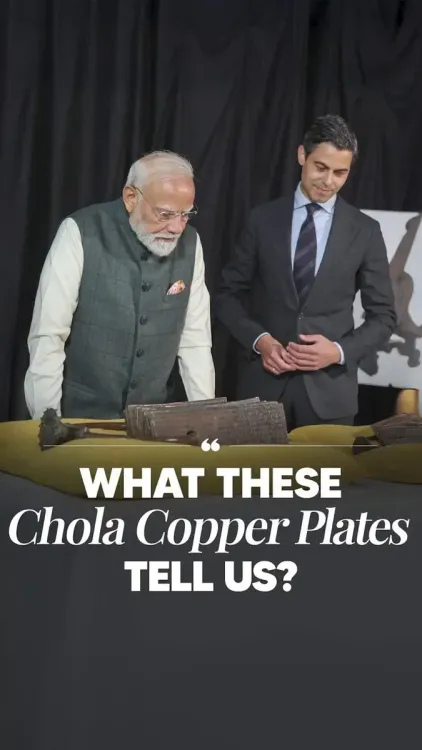
Union Minister Kiren Rijiju has highlighted the return of ancient Chola-era copper plates from the Netherlands to India, citing a special ceremony attended by the Dutch Prime Minister and widespread joy among the global Tamil community, linking the achievement to PM Modi.
Key Takeaways
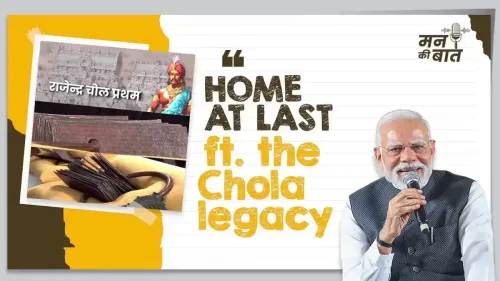
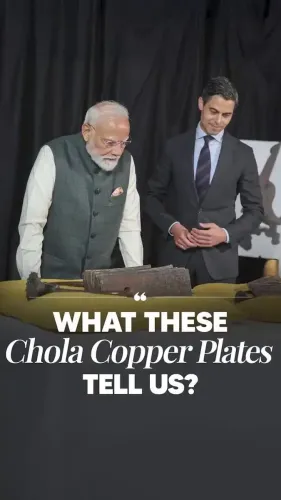
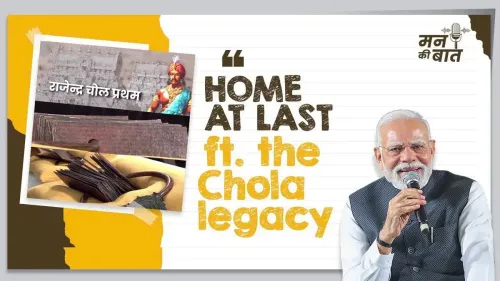
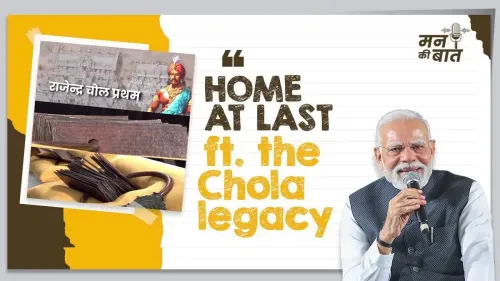
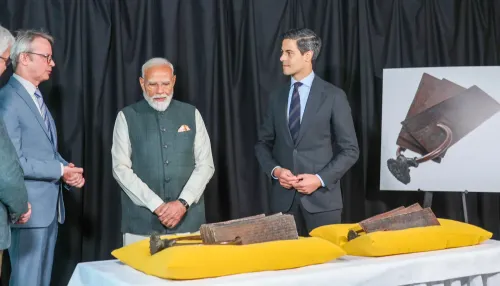
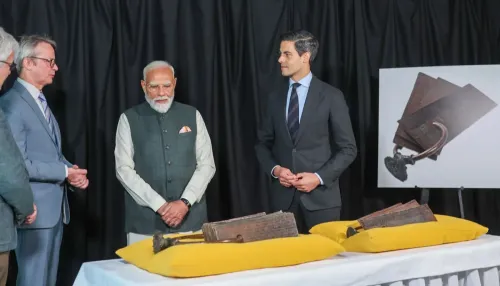
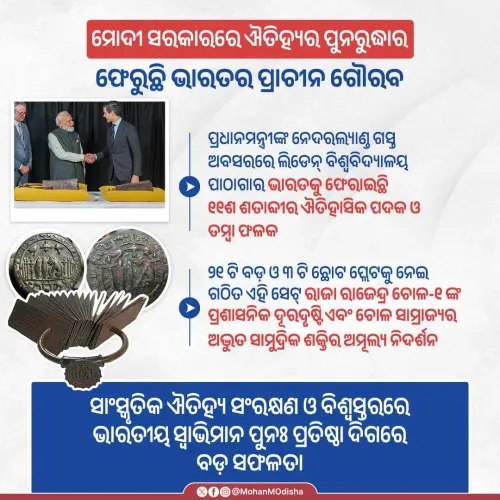
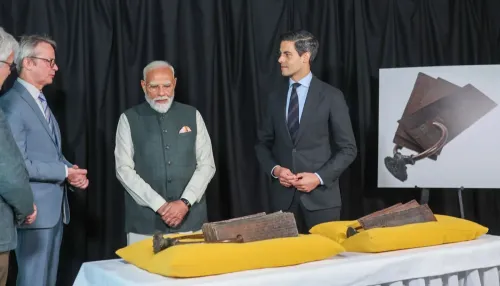
Ancient Chola-era copper-plate inscriptions were formally returned to India at a special ceremony held in the Netherlands .
The Dutch Prime Minister was present at the repatriation ceremony, signalling high-level diplomatic engagement.
Union Minister Kiren Rijiju reported receiving continuous messages of joy and pride from Indians at home and abroad.
Tamil communities worldwide have shown particular enthusiasm over the return of the historically significant artefacts.
Rijiju credited Prime Minister Narendra Modi and linked the post to the #MannKiBaat platform.
The repatriation is part of India's broader post- 2014 push to recover colonial-era cultural heritage through bilateral agreements.
Union Parliamentary Affairs Minister Kiren Rijiju on Sunday, 31 May 2026 shared his remarks on the repatriation of ancient Chola-era copper plates from the Netherlands to India, noting that the handover took place at a special ceremony attended by the Dutch Prime Minister. Rijiju said he has been receiving a continuous stream of messages from across India and abroad expressing joy and pride over the development.
Context
Writing on X, Rijiju described how ताम्र पट्टिकाएं (copper-plate inscriptions) from the Chola period were formally handed back to India at a special ceremony held in the Netherlands, at which the Dutch Prime Minister was present. He attributed the outpouring of public sentiment to Prime Minister Narendra Modi, tagging him directly and linking the post to the #MannKiBaat hashtag — the Prime Minister's monthly radio address to the nation.
Rijiju quoted that 'people are expressing happiness and pride,' and noted 'special enthusiasm in the Tamil community worldwide' over the return of the artefacts.
Policy Backdrop
The return of the copper plates fits into a broader diplomatic effort that India has pursued since 2014, when the Ministry of Culture began systematically seeking the repatriation of antiquities through bilateral agreements and frameworks aligned with UNESCO conventions. Chola-era artefacts — ranging from bronze idols to inscribed plates that document land grants, temple endowments, and administrative records of the 9th-to-13th-century South Indian Tamil dynasty — have been among the most sought-after objects in these negotiations.
Several Western institutions have transferred Chola bronzes and inscriptions to India in recent years under comparable diplomatic pressure, reflecting a shift in how former colonial-era custodians approach contested heritage. The Netherlands and India share diplomatic ties dating to the 17th century, providing a deep bilateral foundation for such cultural cooperation.
Stakeholders and Impact
The repatriation carries particular resonance for the global Tamil diaspora, which Rijiju specifically acknowledged, describing 'special enthusiasm in the Tamil community worldwide.' Copper-plate inscriptions from the Chola period are primary historical documents that scholars and heritage researchers rely on to reconstruct the administrative and religious history of medieval South India.
For India's cultural diplomacy architecture, the ceremony in the Netherlands — attended at the level of a head of government — signals growing willingness among European partners to engage seriously with repatriation requests, lending momentum to pending claims elsewhere.
What's Next
Prime Minister Modi is expected to address the episode in a forthcoming edition of Mann Ki Baat, given the direct tag by Rijiju and the hashtag used in the post. Observers will watch for a possible joint India-Netherlands cultural memorandum or a follow-up parliamentary statement during the next round of bilateral foreign office consultations. The return of the copper plates may also reinforce India's negotiating position with other European institutions still holding disputed Chola-era objects.
Point of View
Rijiju is signalling that the government intends to amplify the episode as proof of its heritage-recovery credentials ahead of domestic audiences, particularly in Tamil-speaking states. The Dutch Prime Minister's presence at the ceremony elevates the event to a state-level diplomatic achievement, giving India leverage in ongoing negotiations with other European custodians of disputed antiquities. Cumulatively, these repatriations are reshaping the terms of India's cultural engagement with the West, moving from quiet requests to high-visibility bilateral moments.
NationPress
16 Oct 2026
Frequently Asked Questions
What are the Chola-era copper plates returned from the Netherlands?
They are ancient copper-plate inscriptions from the Chola dynasty (9th-13th centuries CE) that record land grants, temple endowments and administrative history of medieval South India, and were formally handed back to India at a ceremony in the Netherlands attended by the Dutch Prime Minister.
Why did Kiren Rijiju post about the Chola copper plates?
Rijiju shared the post to highlight the repatriation as a cultural and diplomatic achievement, noting widespread public joy and crediting PM Narendra Modi, linking the development to the Mann Ki Baat platform.
What is India's policy on repatriation of cultural heritage?
Since 2014, the Ministry of Culture has pursued systematic repatriation of antiquities through bilateral agreements and UNESCO conventions, and has secured the return of numerous Chola bronzes and inscriptions from Western institutions.
Why is the Tamil community particularly enthusiastic about this repatriation?
Chola-era artefacts are central to Tamil historical and cultural identity; the copper plates are primary documents of a great South Indian Tamil dynasty, making their return a matter of deep cultural pride for Tamil communities in India and around the world.
Could this lead to more cultural artefacts being returned to India from Europe?
The high-level Dutch ceremony may strengthen India's negotiating position with other European institutions still holding disputed Chola-era and other colonial-era objects, and a possible India-Netherlands cultural memorandum could follow during upcoming bilateral consultations.