CM Majhi Hails Return of 11th-Century Chola Artifacts from Netherlands
Synopsis
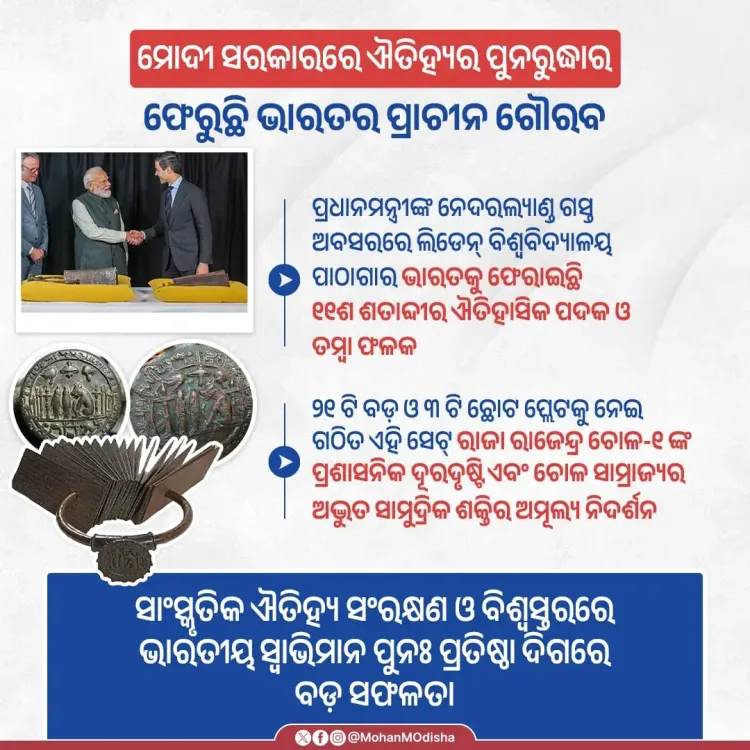
Odisha Chief Minister Mohan Charan Majhi credited PM Narendra Modi's diplomatic leadership after Leiden University in the Netherlands returned 11th-century Chola copper plates and a medal to India, calling it a historic restoration of Indian cultural pride on the world stage.
Key Takeaways
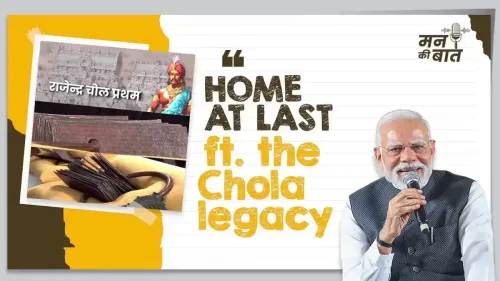
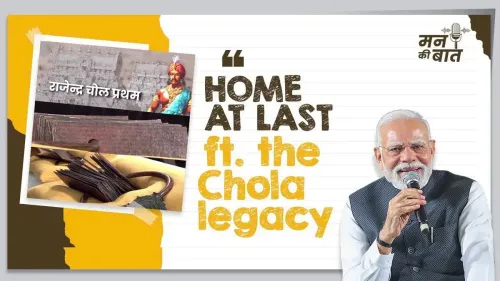
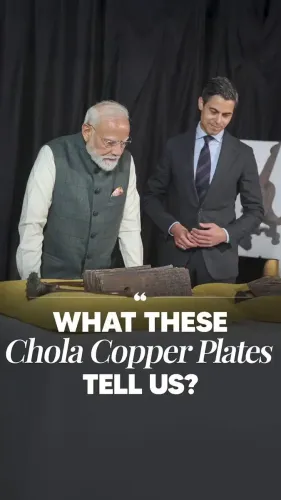
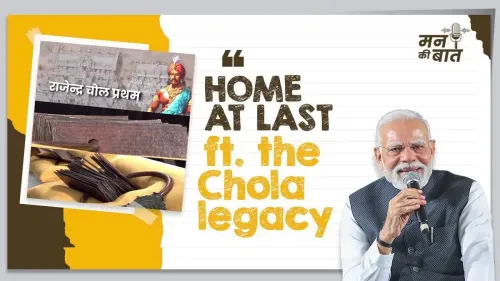
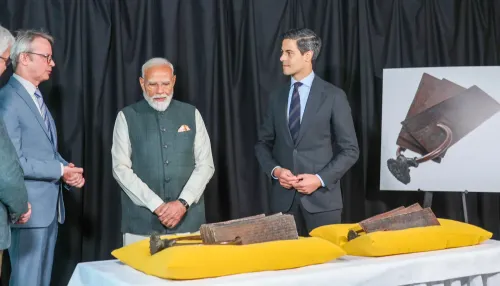
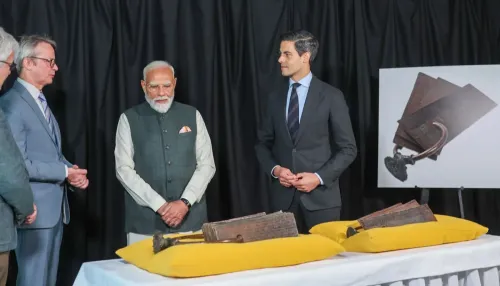
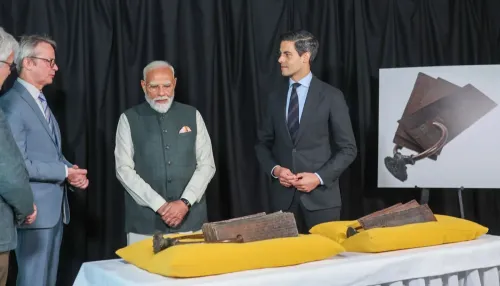
Leiden University in the Netherlands returned 11th-century Chola copper plates and a medal to India during PM Modi's official visit.
The artifacts are linked to the reign of Rajendra Chola I , renowned for his naval expeditions and maritime empire-building.
Odisha CM Mohan Charan Majhi praised the repatriation on 23 May 2026 , calling it a historic affirmation of Indian self-respect on the global stage.
India has pursued systematic antiquity repatriation through diplomatic channels since 2014 , using bilateral visits to secure restitution agreements.
The return is significant for Tamil heritage communities and cultural historians who have long advocated for the recovery of Chola-era objects from foreign institutions.
Further restitutions from European collections and a possible Indo-Dutch cultural cooperation memorandum are being watched as likely next steps.
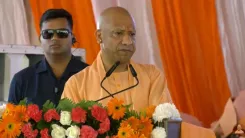
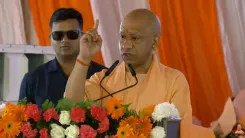
Odisha Chief Minister Mohan Charan Majhi on Saturday, 23 May 2026 welcomed the repatriation of 11th-century Chola copper plates and a medal from the Leiden University library in the Netherlands to India, crediting the achievement to Prime Minister Narendra Modi's diplomatic leadership during his Netherlands visit.
Posting in Odia, CM Majhi wrote: 'ଯଶସ୍ୱୀ ପ୍ରଧାନମନ୍ତ୍ରୀ ଶ୍ରୀ @narendramodi ଜୀଙ୍କ ସଫଳ ନେତୃତ୍ୱରେ ବିଶ୍ୱ ଦରବାରରେ ଭାରତର ଗୌରବମୟ ଐତିହ୍ୟ ଓ ସଂସ୍କୃତିର ପୁନରୁଦ୍ଧାର ହେଉଛି' — 'Under the successful leadership of the honourable Prime Minister Shri Narendra Modi, India's glorious heritage and culture is being restored on the world stage.' He called the development 'a historic achievement in re-establishing Indian self-respect on the global platform.'
Context
The artifacts — a copper plate and a medal dating to the 11th century — were held in the library of Leiden University, one of the oldest academic institutions in the Netherlands. Their return to India was facilitated during Prime Minister Modi's official visit to the Netherlands. CM Majhi described the objects as priceless specimens bearing testimony to the maritime power and rich cultural traditions of the Chola Empire.
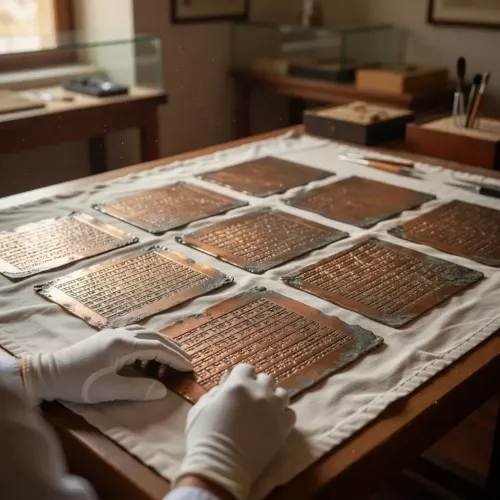
The copper plates are associated with the reign of Raja Rajendra Chola I, the celebrated 11th-century ruler who extended Chola dominance across maritime Southeast Asia and built one of the most formidable naval empires of the medieval world. Such plates were typically used to record royal grants and administrative edicts, making them invaluable primary historical documents.
Policy Backdrop
Since 2014, the Government of India has pursued a systematic policy of reclaiming antiquities through bilateral diplomatic negotiations with institutions in Europe and North America. Successive state visits have been used as occasions to secure the restitution of objects linked to major Indian dynasties, including the Cholas, framing these returns as affirmations of India's civilisational heritage.
This repatriation fits into a broader pattern where heritage diplomacy has become a visible instrument of India's foreign policy. Bilateral meetings have increasingly included cultural restitution as an agenda item alongside trade and security, reflecting a deliberate effort to integrate cultural identity into strategic outreach.
Stakeholders and Impact
The return carries particular significance for Tamil heritage communities and cultural historians who have long advocated for the repatriation of Chola-era artifacts from foreign collections. The Chola dynasty's legacy — spanning architecture, bronze sculpture, and maritime commerce — is a cornerstone of South Indian cultural memory.
For the BJP and the broader political leadership, the repatriation serves as a demonstration of cultural nationalism in action: the idea that India's pre-colonial achievements deserve recognition and physical restoration on home soil. CM Majhi's post reflects how state-level leaders within the ruling alliance amplify such diplomatic wins to reinforce this narrative.
What's Next
Observers will watch for formal announcements regarding additional artifact restitutions from other European collections, as well as any bilateral memorandum on cultural cooperation between India and the Netherlands that may emerge from PM Modi's visit. The Leiden University library holds significant South Asian archival material, and this repatriation may set a precedent for further negotiations.
The episode is also likely to intensify domestic conversations around India's cultural diplomacy framework and the mechanisms through which repatriation claims are pursued with foreign governments and academic institutions.
Point of View
With each repatriation framed as evidence of India's civilisational resurgence. The choice of Chola artifacts is particularly potent — invoking a maritime empire resonates with India's contemporary Indo-Pacific ambitions. Whether this momentum translates into a formal Indo-Dutch cultural cooperation framework will determine how durable this diplomatic gain proves to be.
NationPress
7 Oct 2026
Frequently Asked Questions
What artifacts did Leiden University return to India?
Leiden University's library returned an 11th-century Chola copper plate and a medal to India during Prime Minister Narendra Modi's visit to the Netherlands. These objects date to the reign of Rajendra Chola I and are considered priceless historical specimens.
Who is Rajendra Chola I and why are his artifacts significant?
Rajendra Chola I was an 11th-century ruler of the Chola dynasty who expanded the empire's reach across maritime Southeast Asia through naval expeditions. Artifacts from his reign are significant because they document royal administration and reflect the Chola Empire's maritime power and cultural sophistication.
How has India been recovering artifacts from abroad?
Since 2014, the Government of India has pursued systematic repatriation of antiquities through diplomatic negotiations with museums and academic institutions in Europe and North America, often using bilateral state visits as occasions to formalise restitution agreements.
Why did Odisha CM Mohan Majhi comment on a Tamil heritage artifact?
CM Majhi's post reflects the BJP's broader political messaging around cultural nationalism and PM Modi's diplomatic achievements, which party leaders across states amplify irrespective of regional specificity. The return of any ancient Indian artifact is framed as a national victory.
What is Leiden University's connection to Indian heritage?
Leiden University in the Netherlands is one of Europe's oldest academic institutions and its library holds significant South Asian archival and cultural material collected over centuries, making it a key site in ongoing discussions about the repatriation of Indian heritage objects.