Jaishankar greets Jordan on 80th Independence Day
Synopsis
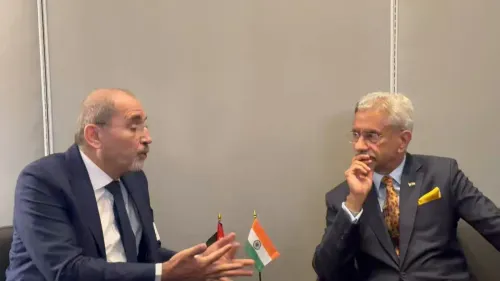
External Affairs Minister Dr. S. Jaishankar on 25 May 2026 greeted Jordan on its 80th Independence Day, addressing Deputy PM and FM Ayman Safadi and reaffirming India's commitment to strengthening the two countries' longstanding bilateral relationship.
Key Takeaways
Jaishankar conveyed India's felicitations to Jordan on its 80th Independence Day on 25 May 2026 .
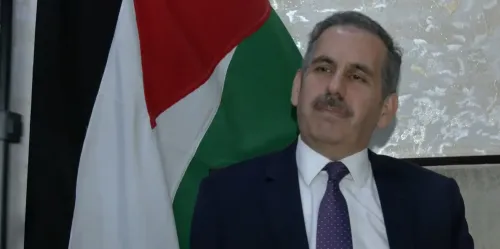
The message was addressed directly to Jordanian Deputy Prime Minister and Foreign Minister Ayman Safadi .
India and Jordan have maintained diplomatic relations since 1950 , one of India's older ties in the West Asian region.
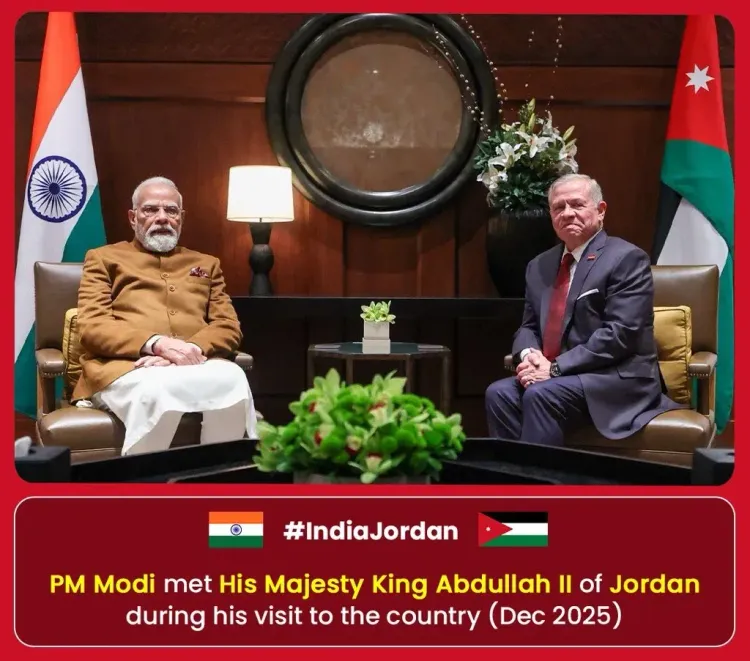
King Abdullah II 's 2018 visit to India produced renewed defence and trade cooperation frameworks between the two countries.
The outreach reflects India's sustained Look West diplomatic strategy, using national-day messages as a consistent instrument of engagement.
Analysts will watch for the next round of India-Jordan Foreign Office Consultations and any planned high-level visit.
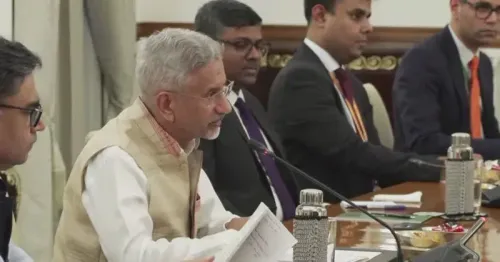
Union External Affairs Minister Dr. S. Jaishankar on Monday, 25 May 2026 extended felicitations to Jordan on the occasion of its 80th Independence Day, conveying greetings to Deputy Prime Minister and Foreign Minister Ayman Safadi, the Jordanian government, and its people.
Context
Jaishankar addressed his message directly to @AymanHsafadi, expressing confidence that 'our warm and friendly ties will continue to strengthen.' Jordan marks its independence on 25 May each year, commemorating the end of the British Mandate and the proclamation of the Hashemite Kingdom in 1946. This year's anniversary marks eight decades of Jordanian sovereignty.
India and Jordan have maintained diplomatic relations since 1950, making their bilateral engagement one of the older ties India holds in the West Asian region. The message from a senior cabinet minister on the national day underscores the continuity of that relationship.
Policy Backdrop
India's engagement with Jordan has been anchored in regular institutional mechanisms, including Joint Commission meetings that began in the mid-2000s. A significant milestone came in 2018, when King Abdullah II visited India, resulting in renewed frameworks for defence and trade cooperation.
Under India's broader Look West approach, New Delhi has pursued steady outreach to West Asian states, with counter-terrorism cooperation, trade linkages, and people-to-people contacts forming the three pillars of engagement. Congratulatory messages on national days, while ceremonial in form, serve as a visible and consistent instrument of this diplomatic outreach.
Stakeholders and Impact
The message is directed at both the Jordanian government and its people, signalling goodwill at the official and popular levels simultaneously. The foreign ministries of both countries are the primary institutional stakeholders in translating such diplomatic warmth into concrete outcomes.
The Indian diaspora in Jordan and bilateral trade partners also have a stake in the health of this relationship. Ties between the two countries have remained notably stable despite recurring turbulence across the broader Middle East region, a fact that both sides have historically valued.
What's Next
Diplomatic observers will watch for the next round of India-Jordan Foreign Office Consultations, which serve as the primary track for advancing the bilateral agenda. Any scheduled visit by Jordanian leadership to New Delhi, or a reciprocal visit by Dr. Jaishankar to Amman, would represent the natural next step in deepening ties. The anniversary year itself may provide a diplomatic occasion to announce or advance such a high-level engagement.
Point of View
Reflecting New Delhi's consistent effort to keep West Asian partnerships warm amid a volatile regional environment. India's Look West strategy has long treated such ceremonial touchpoints as low-cost, high-visibility signals of diplomatic intent. The direct address to Deputy PM Safadi — a figure central to Jordan's foreign policy — suggests India is investing in personal diplomatic channels, not just state-to-state formality. With the next round of bilateral consultations yet to be announced, the message may also serve as a soft prompt for scheduling a more substantive engagement.
NationPress
9 Oct 2026
Frequently Asked Questions
When did India and Jordan establish diplomatic relations?
India and Jordan established diplomatic relations in 1950 , making it one of India's oldest bilateral ties in the West Asian region.
Why is Jordan celebrating its Independence Day on 25 May?
Jordan celebrates Independence Day on 25 May each year to mark the proclamation of the Hashemite Kingdom in 1946 , when the country gained independence from the British Mandate.
Who is Ayman Safadi?
Ayman Safadi is Jordan's Deputy Prime Minister and Foreign Minister, the principal figure responsible for the country's bilateral diplomacy, including relations with India.
What is India's Look West policy?
India's Look West policy is a foreign policy approach that prioritises deepening ties with West Asian states through trade, counter-terrorism cooperation, and people-to-people engagement, of which Jordan is a part.
What was the outcome of King Abdullah II's 2018 visit to India?
King Abdullah II 's visit to India in 2018 led to the renewal and expansion of frameworks for defence and trade cooperation between the two countries.