Jaishankar meets Armenian PM Pashinyan in Delhi stopover, discusses Gulf and Ukraine
Synopsis
Armenian PM Nikol Pashinyan stopped over in New Delhi on 14 November, meeting EAM Jaishankar for talks on the Gulf and Ukraine conflicts — the latest in a string of high-level India-Armenia engagements that now span defence supply, parliamentary cooperation, and bilateral diplomacy, marking a quiet but significant deepening of a once-peripheral relationship.
Key Takeaways
Jaishankar met Armenian PM Nikol Pashinyan on 14 November 2026 during a transit stopover in New Delhi .
Discussions covered bilateral economic, security, and cultural ties, as well as the conflicts in the Gulf and Ukraine .
On 13 November , India's Ambassador Armstrong Changsan met Armenian Parliament Vice-President Hayk Konjoryan to discuss parliamentary cooperation.
PM Narendra Modi had held a bilateral with Pashinyan at the SCO Summit in Bishkek on 31 August , covering defence, pharma, and technology ties.
In June , Modi congratulated Pashinyan on his parliamentary election win and thanked Armenia for facilitating evacuation of Indian nationals from Iran .
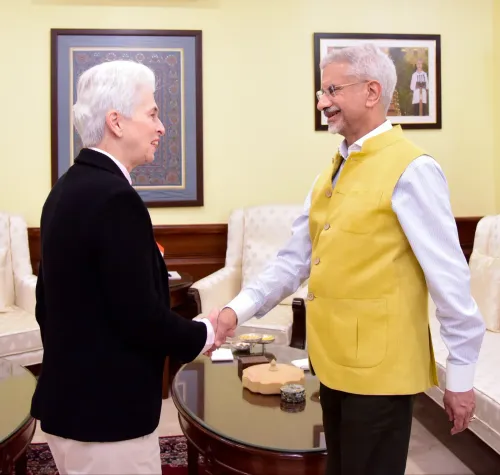
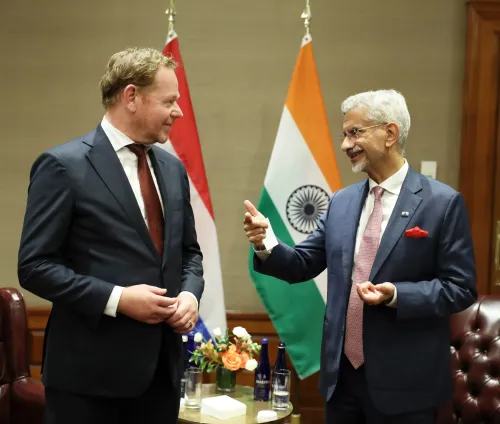
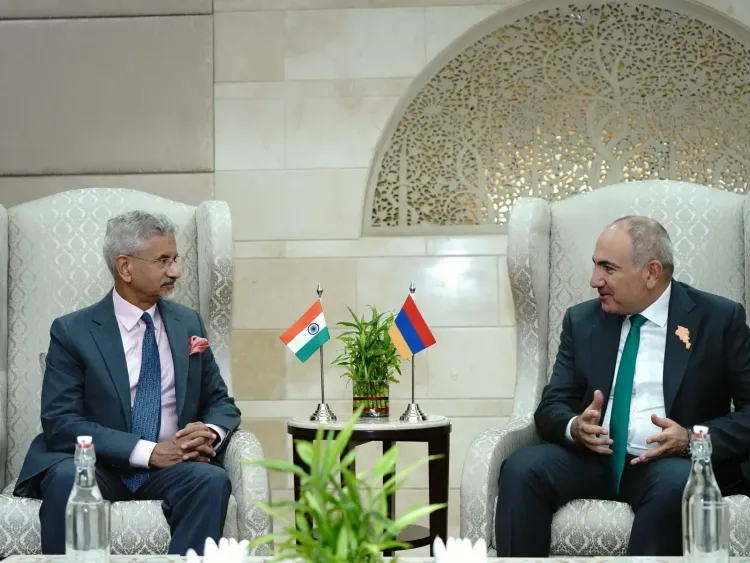
External Affairs Minister S. Jaishankar met Armenian Prime Minister Nikol Pashinyan on 14 November 2026 during the latter's transit stopover in New Delhi, with discussions spanning bilateral ties and the ongoing conflicts in the Gulf and Ukraine. The meeting underscores the growing diplomatic momentum between India and Armenia at a time of heightened global instability.
What Was Discussed
'Pleased to meet with PM Nikol Pashinyan of Armenia during his transit stopover in Delhi. Our economic, security, cultural and people-to-people ties continue to gain momentum,' Jaishankar said in a post on social media platform X. He added, 'Appreciate PM Pashinyan's insights on recent developments in his region. Also exchanged views on the conflicts in Gulf and Ukraine.'
The two leaders' engagement covered Armenia's immediate regional situation — particularly the volatile South Caucasus — as well as India's growing interest in conflict resolution diplomacy across West Asia and Eastern Europe. This comes amid India's sustained outreach to multiple stakeholders in both theatres of conflict.
Strengthening Parliamentary Ties
The Delhi meeting follows a separate engagement on 13 November, when India's Ambassador to Armenia, Armstrong Changsan, called on Hayk Konjoryan, Vice-President of the Armenian Parliament and Head of the Armenia-India Parliamentary Friendship Group. According to the Indian Embassy in Armenia, discussions centred on bilateral relations and strengthening parliamentary cooperation between the two countries.
A Pattern of High-Level Engagement
The Jaishankar-Pashinyan meeting is part of a wider pattern of elevated India-Armenia diplomatic contact over recent months. On 31 August, Prime Minister Narendra Modi held a bilateral with Pashinyan on the sidelines of the Shanghai Cooperation Organisation (SCO) Summit in Bishkek, Kyrgyzstan. That meeting, attended by National Security Advisor Ajit Doval, Foreign Secretary Vikram Misri, and other senior officials, covered defence, economic cooperation, pharmaceuticals, science and technology, culture, and education, according to the Ministry of External Affairs (MEA).
Prime Minister Modi reiterated at the Bishkek meeting that India looked forward to deepening and expanding bilateral ties with Armenia. Notably, in June, Modi had also held a telephonic conversation with Pashinyan, congratulating him on his party's victory in Armenia's parliamentary elections and thanking Armenia for facilitating the evacuation of Indian nationals stranded in Iran during the West Asia tensions.
Why This Bilateral Matters
India-Armenia ties have been gaining strategic depth beyond their traditional cultural and diaspora links. Armenia's location at the crossroads of the South Caucasus, its security vulnerabilities following the Nagorno-Karabakh conflict, and its outreach to diversify partnerships have aligned with India's own interest in expanding its diplomatic footprint in the region. India has also emerged as a defence supplier to Armenia in recent years, adding a material dimension to what was once a largely symbolic relationship.
With conflict dynamics in West Asia and Ukraine still fluid, the India-Armenia channel offers both sides a useful window for exchanging assessments from distinct vantage points — something Jaishankar's remarks explicitly acknowledged.
Point of View
Without the optics of a formal state visit. What is striking is the pace of India-Armenia elevation: from a low-profile relationship to one that now includes defence supply, SCO-margin bilaterals, and exchanges on live conflict theatres. India's willingness to discuss Gulf and Ukraine with Yerevan suggests it sees Armenia as a useful interlocutor in regions where India's own equities are substantial but its direct leverage is limited. The question is whether this diplomatic warmth will be matched by concrete deliverables — particularly on defence and economic linkages that Armenia is actively seeking to diversify away from its traditional partners.
NationPress
14 Nov 2026
Frequently Asked Questions
Why did Armenian PM Pashinyan stop in New Delhi on 14 November?
Pashinyan was on a transit stopover in New Delhi on 14 November 2026 and used the opportunity to meet EAM S. Jaishankar. The two discussed bilateral ties — covering economic, security, cultural, and people-to-people dimensions — as well as the ongoing conflicts in the Gulf and Ukraine.
What did Jaishankar and Pashinyan discuss?
According to Jaishankar's post on X, the discussions covered recent developments in Armenia's region and an exchange of views on conflicts in the Gulf and Ukraine. Jaishankar also noted that India-Armenia economic, security, cultural, and people-to-people ties continue to gain momentum.
When did Modi and Pashinyan last meet?
Prime Minister Narendra Modi met Pashinyan on 31 August 2026 on the sidelines of the SCO Summit in Bishkek, Kyrgyzstan. That meeting covered defence, economic cooperation, pharmaceuticals, science and technology, culture, and education, with Modi reiterating India's intent to deepen bilateral ties.
How has India-Armenia bilateral engagement evolved in 2026?
India-Armenia ties have seen a marked uptick in 2026, with a Modi-Pashinyan phone call in June, a bilateral at the SCO Summit in August, an ambassador-level parliamentary cooperation meeting on 13 November, and the Jaishankar-Pashinyan transit meeting on 14 November. India has also emerged as a defence supplier to Armenia, adding strategic depth to the relationship.
What role did Armenia play in India's West Asia evacuation?
Armenia facilitated the evacuation of Indian nationals stranded in Iran during the West Asia tensions earlier in 2026. Prime Minister Modi expressed gratitude for this role during his telephonic conversation with Pashinyan in June 2026.