Jaishankar Meets Thuringia Minister-President Voigt on India-Germany Ties
Synopsis
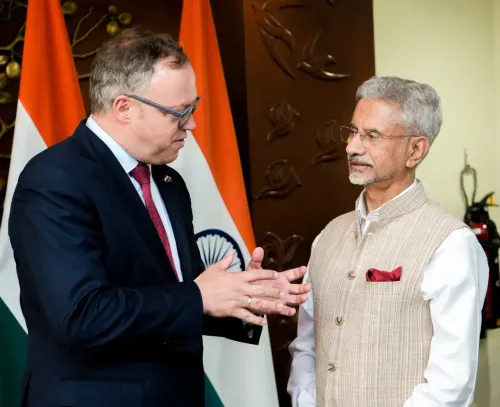
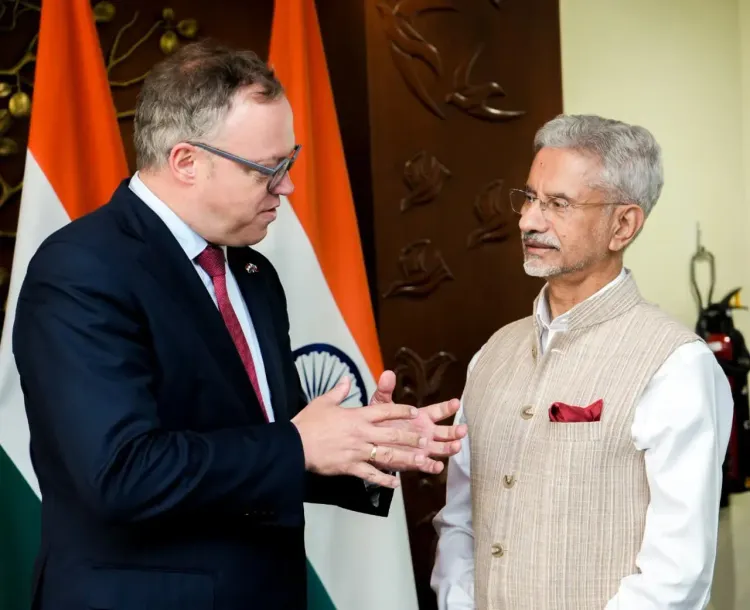
External Affairs Minister Dr. S. Jaishankar met Thuringia Minister-President Mario Voigt on June 2, 2026, discussing business opportunities and technology partnerships as part of India's multi-level diplomatic engagement with Germany and the European Union.
Key Takeaways
Jaishankar met Thuringia Minister-President Mario Voigt and his delegation on June 2, 2026 .
Discussions covered business opportunities and technology partnerships between India and Germany.
Voigt expressed 'strong support' for expanding both India-Germany and India-EU relationships.
Thuringia has industrial strengths in optics, automotive components, and emerging technology sectors that are complementary to Indian interests.
The meeting reflects India's strategy of engaging German Länder governments directly, alongside federal-level diplomacy.
The meeting adds momentum ahead of the next round of India-Germany intergovernmental consultations .
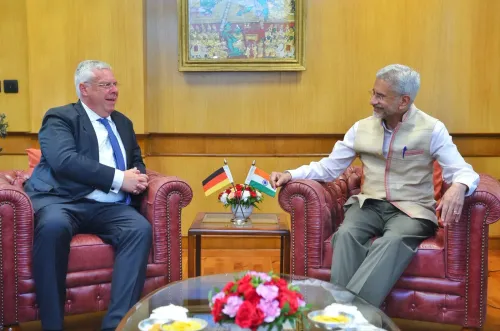
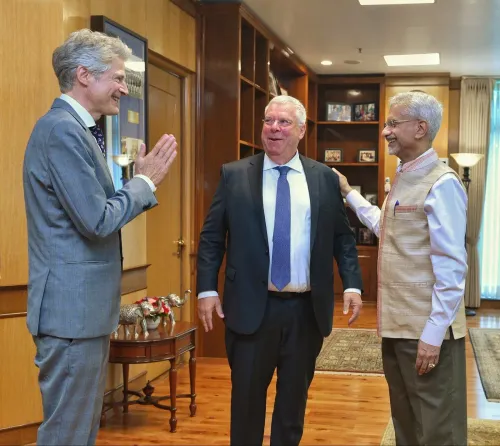
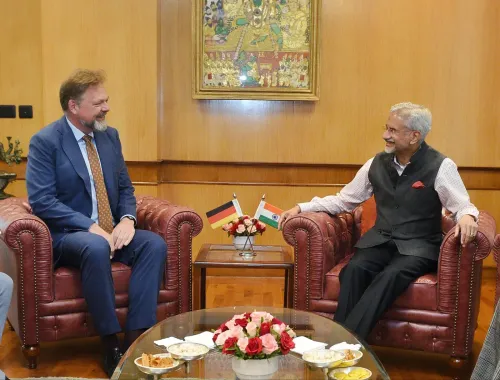
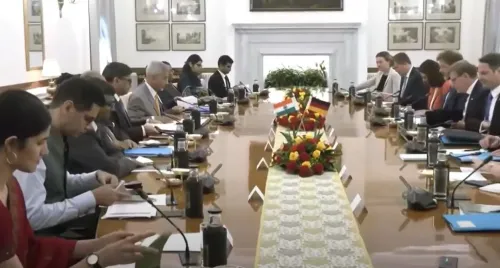
Union External Affairs Minister Dr. S. Jaishankar met Minister-President Mario Voigt of the German federal state of Thuringia on Tuesday, June 2, 2026, along with his delegation, holding discussions focused on expanding bilateral business opportunities and technology partnerships between India and Germany.
Context
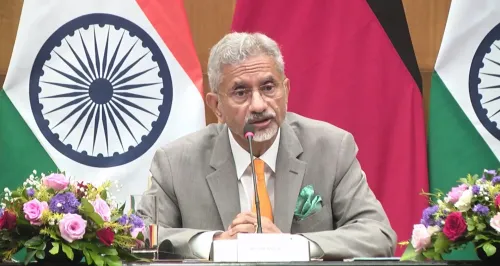
Dr. Jaishankar described the meeting as productive, noting Voigt's 'strong support for expanding' both India-Germany and India-EU relationships. The two sides held what Jaishankar called 'a good discussion on business opportunities and technology partnerships,' signalling an intent to deepen engagement at the sub-national level.
Mario Voigt has served as Minister-President of Thuringia since 2024, representing the CDU with a focus on economic and industrial policy in the eastern German state. Thuringia has established industrial strengths in optics, automotive components, precision machinery, and emerging technology sectors.
Policy Backdrop
The India-Germany strategic partnership, established in 2000, provides the framework for annual intergovernmental consultations and cooperation across trade, defence, and green technology. Germany remains India's largest EU trading partner, making state-level outreach to German Länder governments a natural extension of the bilateral relationship.
On the broader European front, negotiations for the India-EU Broad-based Trade and Investment Agreement were relaunched in 2022 after a near-decade pause since 2013. Chapters related to digital trade and technology regulation are among the most closely watched in those talks, making Voigt's expressed support for India-EU ties particularly relevant.
New Delhi has in recent years pursued a deliberate strategy of multi-level engagement with Europe — reaching beyond federal governments to engage directly with regional administrations — to diversify supply chains and access advanced manufacturing expertise.
Stakeholders and Impact
Indian technology firms and German manufacturers stand to benefit most directly from deepened engagement between the two sides. Thuringia's industrial base in precision optics and machinery offers complementary strengths to India's growing semiconductor and electronics manufacturing ambitions.
The meeting also carries significance for Indian businesses seeking footholds in the European Union's eastern industrial corridor, where Thuringia serves as a gateway. State-level partnerships can accelerate investment decisions that might otherwise move slowly through federal channels.
What's Next
Attention will now turn to the next round of India-Germany intergovernmental consultations and any concrete movement on the India-EU trade agreement, particularly on digital trade and technology chapters where both sides have signalled flexibility. The Jaishankar-Voigt meeting adds momentum to a pattern of Indian diplomatic outreach that complements the annual India-Germany summit process.
As India deepens its European partnerships at multiple levels of government, such engagements with influential regional leaders like Voigt are likely to become a more regular feature of New Delhi's European strategy.
Point of View
And is actively cultivating regional power centres within Germany. Thuringia, with its industrial base and CDU-led government that is broadly pro-business and pro-transatlantic, is a logical partner for India as it seeks to diversify supply chains away from single-country dependencies. Voigt's vocal support for India-EU ties also gives New Delhi a useful ally as the Broad-based Trade and Investment Agreement negotiations navigate politically sensitive chapters on digital trade and technology. Taken together, this pattern of sub-national engagement suggests India is building a durable, multi-layered relationship with Europe that can withstand shifts in federal-level politics.
NationPress
16 Oct 2026
Frequently Asked Questions
Why did Jaishankar meet Thuringia's Minister-President Mario Voigt?
Dr. Jaishankar met Mario Voigt to discuss expanding India-Germany and India-EU relationships, focusing on business opportunities and technology partnerships. Voigt has expressed strong support for deepening ties between India and Germany.
Who is Mario Voigt and why does his support matter for India?
Mario Voigt is the Minister-President of Thuringia, Germany, in office since 2024, representing the CDU. His support matters because Thuringia has significant industrial strengths in optics, machinery, and technology sectors that are of strategic interest to Indian businesses and policymakers.
What is the current status of the India-EU trade agreement?
Negotiations for the India-EU Broad-based Trade and Investment Agreement were relaunched in 2022 after a pause since 2013. Key chapters on digital trade and technology regulation remain under active discussion.
Why is India engaging German state governments directly?
India has adopted a multi-level engagement strategy with Europe, reaching beyond the federal government to engage German Länder directly. This approach helps India secure technology partnerships and investment more quickly and diversify supply chains.
What is the foundation of the India-Germany strategic relationship?
The India-Germany strategic partnership was formally established in 2000 and includes annual intergovernmental consultations. Germany is India's largest EU trading partner, with cooperation spanning trade, defence, and green technology.