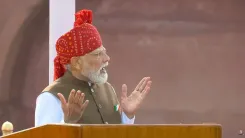
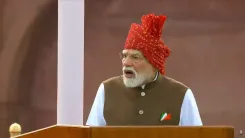
Jaishankar Pays Tribute to Sri Aurobindo on Jayanti
Synopsis
On Independence Day 2026, External Affairs Minister Dr. S. Jaishankar honoured Sri Aurobindo on his Jayanti, drawing a direct line from the philosopher's vision of Swaraj to India's Viksit Bharat goal of becoming a developed nation by 2047.
Key Takeaways
Jaishankar paid tribute to Sri Aurobindo on his Jayanti, which falls on 15 August — the same date as India's Independence Day.
Sri Aurobindo's concept of Swaraj fused India's spiritual heritage with the aspiration for a strong, modern nation.
Jaishankar explicitly connected Aurobindo's philosophy to the Viksit Bharat vision — the government's goal of a fully developed India by 2047 .
Indian leaders have observed Sri Aurobindo Jayanti annually since Independence, treating the date's dual significance as deeply symbolic.
The tribute reflects a broader pattern of anchoring present-day development targets in India's 20th-century intellectual and nationalist legacy.
On India's Independence Day, 15 August 2026, Union External Affairs Minister Dr. S. Jaishankar invoked one of the nation's most towering philosopher-patriots — linking Sri Aurobindo's vision of Swaraj to the government's ambition of a developed India by 2047.
A Vision That Fused Spirit and Sovereignty
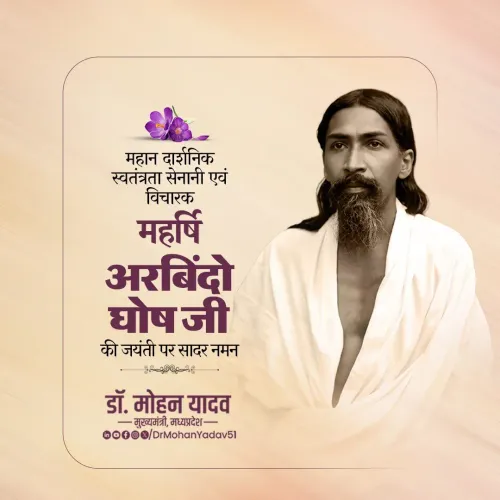
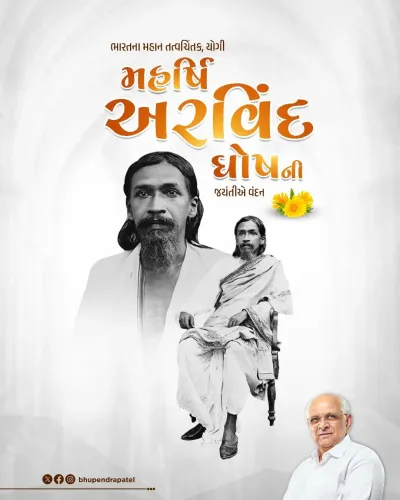
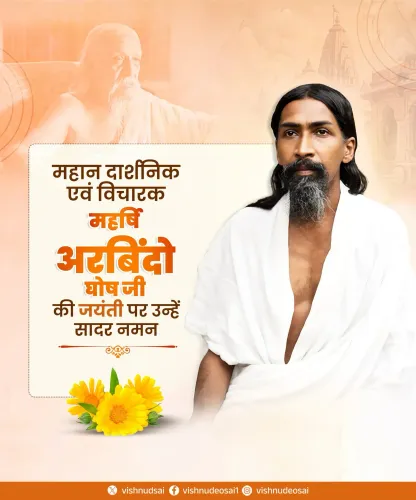
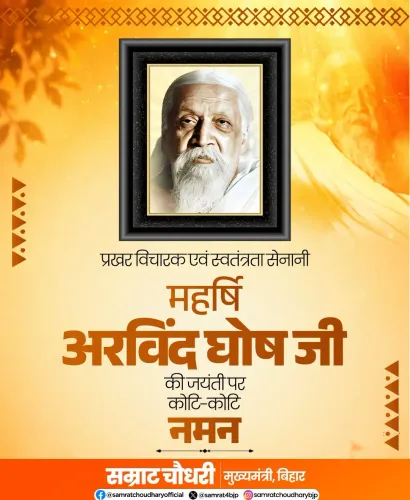
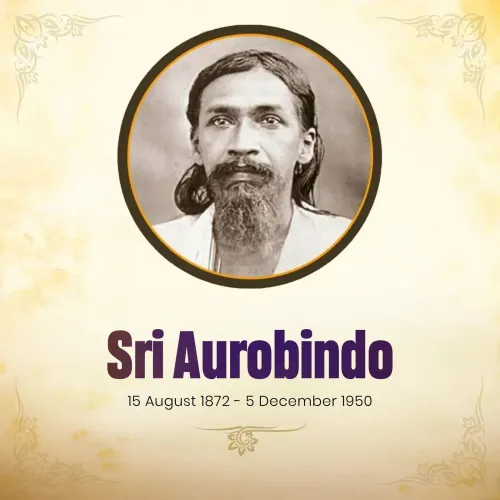
Sri Aurobindo Ghose — philosopher, yogi, and independence activist — occupies a singular place in India's intellectual tradition. Born on 15 August 1872, his Jayanti falls on the same date as Independence Day, a coincidence that Indian leaders have long treated as deeply symbolic. His concept of Swaraj was never merely political; it wove together cultural self-assertion, spiritual awakening, and the aspiration for a civilisational renaissance. Dr. Jaishankar's tribute captured that duality precisely, noting that Aurobindo's vision 'integrated India's spiritual heritage with the aspiration to build a strong and modern India.'Aurobindo's Relevance to the Viksit Bharat Goal
The invocation of #ViksitBharat — the Government of India's flagship vision to transform the country into a fully developed nation by 2047, the centenary of Independence — is deliberate. Ministers across the political spectrum have increasingly drawn on 20th-century thinkers to anchor present-day development targets in a longer civilisational arc. Connecting Aurobindo's philosophy of integral strength to a concrete 21st-century policy goal signals that Viksit Bharat is being positioned not just as an economic programme, but as a continuation of an unfinished civilisational project that Aurobindo himself articulated more than a century ago. The pairing lands with particular force on Independence Day, when the nation simultaneously marks its freedom and takes stock of how far it has come — and how far it must go.Point of View
Dr. Jaishankar is doing something more calculated than routine tribute — he is building an ideological bridge between India's civilisational past and its 2047 development horizon. The Viksit Bharat framing transforms a philosophical homage into a policy statement, suggesting the government wants its modernisation agenda to carry spiritual and cultural legitimacy, not just economic metrics. This is consistent with a broader diplomatic posture in which India presents itself globally as a civilisational state, not merely a developing economy. On a day when the nation reflects on freedom, the message is clear: the journey Aurobindo envisioned is the same journey India is still on.
NationPress
15 Aug 2026
Frequently Asked Questions
Why is Sri Aurobindo Jayanti celebrated on 15 August?
Sri Aurobindo was born on 15 August 1872 , which coincidentally is the same date as India's Independence Day in 1947. This overlap has long been treated as symbolically significant by Indian leaders and citizens.
What is the Viksit Bharat vision?
Viksit Bharat is the Government of India's mission to transform the country into a fully developed nation by 2047 , the centenary of Indian Independence, across economic, social, and infrastructural dimensions.
What did Jaishankar say about Sri Aurobindo on Independence Day 2026?
Dr. Jaishankar said Sri Aurobindo's vision of Swaraj 'integrated India's spiritual heritage with the aspiration to build a strong and modern India,' and called his message 'deeply relevant' as India advances towards Viksit Bharat.
What was Sri Aurobindo's concept of Swaraj?
Sri Aurobindo's concept of Swaraj went beyond political independence — it encompassed cultural self-assertion, spiritual awakening, and the renaissance of Indian civilisation as a whole.
Why do Indian ministers invoke historical thinkers on Independence Day?
Indian ministers routinely reference 20th-century philosophers and freedom fighters on national days to connect the country's spiritual and nationalist legacy with contemporary policy goals like Viksit Bharat .