Jaishankar Reviews India-Netherlands Strategic Partnership Outcomes
Synopsis
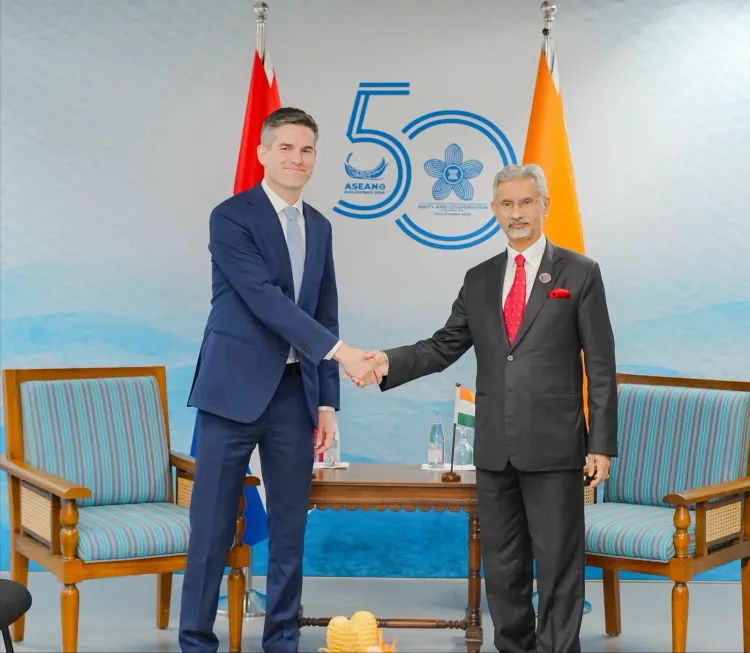
External Affairs Minister Dr. S. Jaishankar followed up with Netherlands FM Tom Berendsen on 23 July 2026 to review outcomes of PM Modi's recent Netherlands visit. The two sides elevated bilateral ties to a Strategic Partnership spanning semiconductors, water resources, green hydrogen, health, and culture.
Key Takeaways
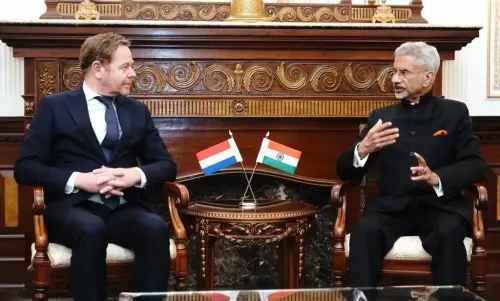
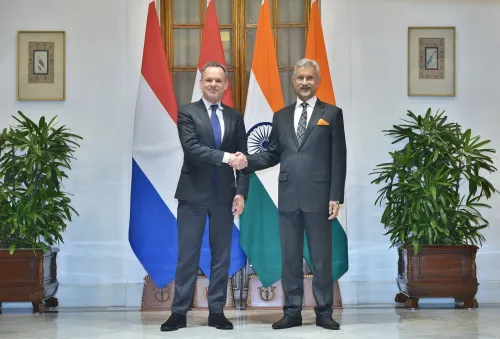
Jaishankar met Netherlands FM Tom Berendsen on 23 July 2026 to follow up on PM Modi's recent Netherlands visit.
India and the Netherlands have elevated bilateral ties to a Strategic Partnership .
The partnership spans five sectors: semiconductors, water resources, green hydrogen, health, and culture .
Semiconductor cooperation aligns with India's India Semiconductor Mission ; green hydrogen links to the National Green Hydrogen Mission .
The Netherlands serves as a key gateway for Indian firms into broader European Union markets.
Sector-specific joint working groups are expected to be the next step in operationalising the partnership.
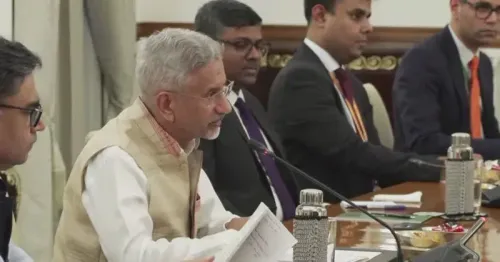
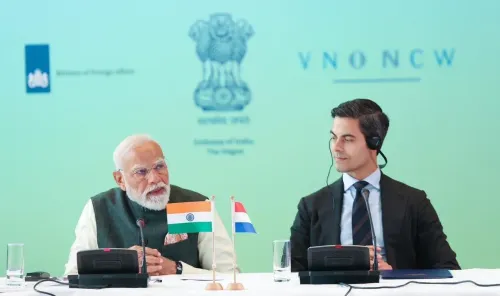
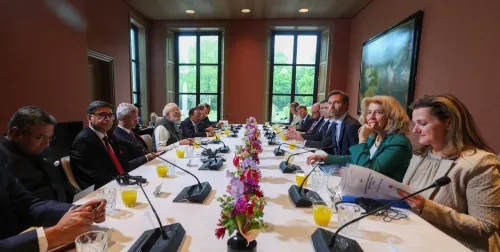
Union External Affairs Minister Dr. S. Jaishankar met with Netherlands Foreign Minister Tom Berendsen on Thursday, 23 July 2026 to follow up on the outcomes of Prime Minister Narendra Modi's recent visit to the Netherlands, which resulted in the elevation of bilateral ties to a Strategic Partnership.
Context
Dr. Jaishankar confirmed on X that he 'followed up with FM Tom Berendsen on the outcomes from PM Modi's recent visit to the Netherlands,' noting that the upgraded partnership 'has opened new avenues of cooperation, including in semiconductors, water resources, green hydrogen, health and culture.' The follow-up meeting signals that New Delhi and The Hague are moving swiftly from diplomatic declaration to sector-specific implementation.
India and the Netherlands have maintained formal diplomatic relations since 1947, but the elevation to a Strategic Partnership marks a qualitative leap, placing the bilateral relationship in the same tier as India's partnerships with other key European nations. The framework spans five distinct domains, reflecting both countries' complementary strengths.
Policy Backdrop
The sectors highlighted in the partnership align closely with flagship Indian national missions. Semiconductors fall under the India Semiconductor Mission, which is working to establish domestic chip design and fabrication capacity, while green hydrogen cooperation feeds into the National Green Hydrogen Mission, which targets production of 5 million metric tonnes of green hydrogen annually by 2030.
The Netherlands brings niche advantages to each of these domains. Dutch firms are globally recognised for precision water-management engineering, high-tech semiconductor equipment, and offshore green hydrogen infrastructure. For India, the Netherlands also functions as a critical gateway into broader European Union markets, making the partnership strategically significant beyond the bilateral dimension.
Since 2014, India has systematically upgraded its ties with select European partners to diversify technology supply chains and secure access to advanced manufacturing know-how. The India-Netherlands Strategic Partnership fits within this broader European engagement arc, which has also seen upgraded frameworks with countries such as Germany, France, and Italy.
Stakeholders and Impact
The partnership's five pillars — semiconductors, water resources, green hydrogen, health, and culture — each carry distinct stakeholder communities. Indian semiconductor firms and research institutions stand to gain from Dutch expertise in chip equipment and design ecosystems, while water-sector companies on both sides see potential in collaborative infrastructure projects tied to India's river-management and urban water challenges.
Green hydrogen developers, particularly those pursuing projects under India's National Green Hydrogen Mission, could benefit from Dutch offshore and electrolysis technology. The inclusion of health and culture alongside hard-technology sectors also suggests the partnership is designed to deepen people-to-people ties, not merely transactional economic links.
What's Next
The immediate priority following Dr. Jaishankar's follow-up meeting will be the formation of sector-specific joint working groups to translate the Strategic Partnership framework into concrete project pipelines and investment commitments. Diplomatic observers will also watch whether the India-Netherlands upgrade is referenced at any forthcoming India-EU summit, which could amplify its significance at a multilateral level.
With both ministers having now reviewed the post-visit outcomes, the partnership's credibility will depend on the pace at which bilateral cooperation moves from ministerial communiqués to signed agreements, technology transfers, and on-ground project launches in each of the five identified sectors.
Point of View
This partnership could become a template for how India structures its upgraded European bilateral relationships going forward.
NationPress
23 Jul 2026
Frequently Asked Questions
What is the India-Netherlands Strategic Partnership?
The India-Netherlands Strategic Partnership is an upgraded bilateral framework established following PM Narendra Modi's recent visit to the Netherlands, covering cooperation in semiconductors, water resources, green hydrogen, health, and culture.
Why did Jaishankar meet Netherlands FM Tom Berendsen?
EAM Dr. S. Jaishankar met FM Tom Berendsen on 23 July 2026 to follow up on the outcomes of PM Modi's visit to the Netherlands and to discuss implementation of the newly elevated Strategic Partnership.
What sectors does the India-Netherlands partnership cover?
The partnership covers five sectors: semiconductors, water resources, green hydrogen, health, and culture, aligning with India's domestic missions such as the India Semiconductor Mission and the National Green Hydrogen Mission.
How does the Netherlands benefit India's semiconductor ambitions?
The Netherlands has world-class expertise in semiconductor equipment and chip design ecosystems, making it a valuable partner for India as it works to build domestic chip manufacturing capacity under the India Semiconductor Mission.
What is the significance of the India-Netherlands Strategic Partnership for India-EU ties?
The Netherlands is a key gateway into European Union markets, so the upgraded Strategic Partnership could strengthen India's broader engagement with the EU, particularly if referenced at future India-EU summits.