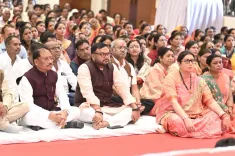
Jaishankar speaks at Chinmaya Amrit Mahotsav on UN Day
Synopsis
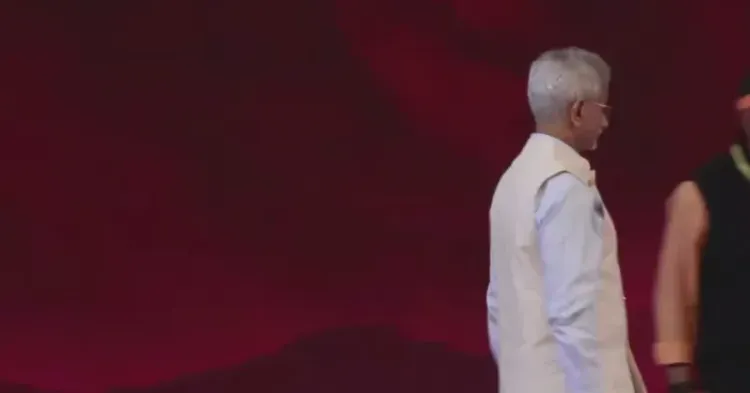
On UN Day 2026, External Affairs Minister Dr. S. Jaishankar addressed the Chinmaya Amrit Mahotsav Global Sammelan at the United Nations, blending India's civilisational outreach with its multilateral diplomatic messaging.
Key Takeaways
Jaishankar spoke at the Chinmaya Amrit Mahotsav Global Sammelan on 25 October 2026 — United Nations Day.
The event was organised by Chinmaya Mission , a global spiritual and educational organisation founded in 1953 by Swami Chinmayananda .
The address took place at or alongside the United Nations , underscoring India's multilateral commitments.
India is a founding member of the UN, which was established in 1945 .
The engagement reflects a pattern of Indian diplomacy that links official foreign policy with diaspora and civil-society networks.
The full text and video of the address are awaited and expected to clarify India's current UN reform priorities.
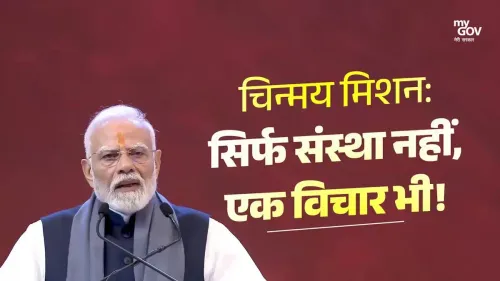
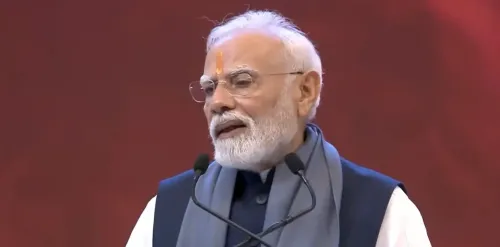
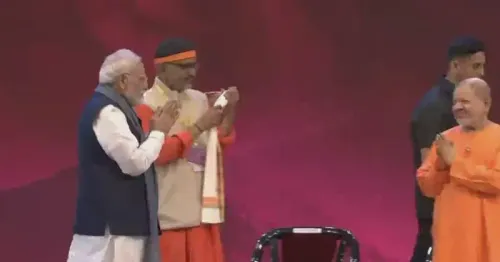
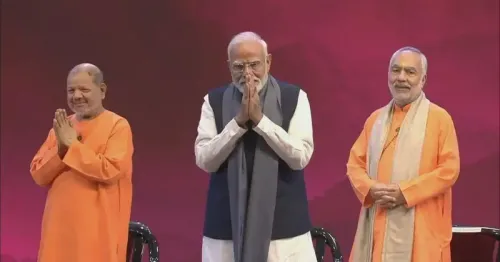
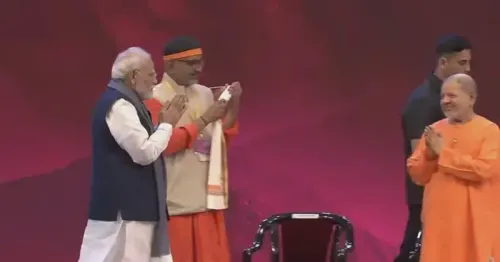
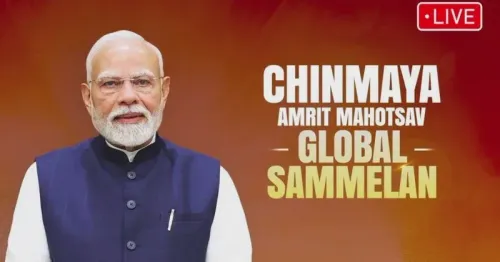
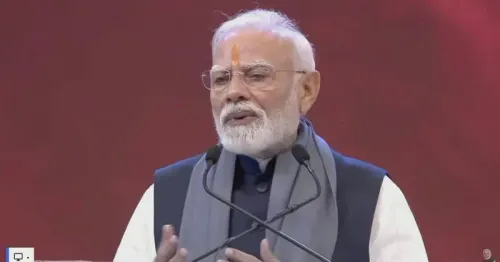
On United Nations Day, 25 October 2026, Union External Affairs Minister Dr. S. Jaishankar took to a global stage where spirituality and diplomacy converged — addressing the Chinmaya Amrit Mahotsav Global Sammelan, a landmark gathering organised by the Chinmaya Mission, on the sidelines of the United Nations.
Where Vedanta meets the UN floor
The choice of platform is itself a signal. Chinmaya Mission, founded in 1953 by Swami Chinmayananda, has grown from a domestic spiritual education initiative into a global network touching millions across continents. Addressing its flagship centenary celebration — the 'Amrit Mahotsav' — on UN Day places India's top diplomat at the intersection of civilisational outreach and multilateral diplomacy.
It is a combination New Delhi has refined over decades: using diaspora and civil-society networks to reinforce, rather than replace, official foreign policy messaging.
UN Day and India's multilateral posture
India was a founding member of the United Nations when the organisation was established in 1945. UN Day — marked every 25 October — commemorates the entry into force of the UN Charter and has long served as a moment for member states to reaffirm multilateral commitments. For Dr. Jaishankar, who has consistently articulated India's push for a reformed, multipolar global order, the occasion carries particular weight.
Indian External Affairs Ministers have periodically used events organised by Indian cultural and spiritual bodies on UN Day to underscore the country's multilateral credentials — a pattern that links official diplomacy with the broader global Indian community.
The diplomat on a cultural stage
Dr. Jaishankar has served as India's Ambassador to the United States, China and Singapore, and as Foreign Secretary, before taking charge of the External Affairs Ministry in 2019. His appearances at events like these are rarely incidental — they tend to carry carefully crafted messaging on India's civilisational identity alongside its foreign-policy priorities.
The full text or video of his address is expected to shed light on India's current UN reform priorities and the framing of Indian cultural values in a global context. Those details, when released, will be worth watching closely.
When a minister speaks where Vedanta meets the General Assembly's shadow, the words are never just ceremonial — they are architecture.
Point of View
He signals that India sees no contradiction between its cultural heritage and its global ambitions. This mirrors a broader arc in Indian foreign policy under the current dispensation — where soft power through spiritual and diaspora networks is treated as a force multiplier for hard diplomacy. The full content of his remarks will indicate how sharply India intends to press its UN reform agenda heading into the next General Assembly cycle.
NationPress
25 Oct 2026
Frequently Asked Questions
What is the Chinmaya Amrit Mahotsav Global Sammelan?
The Chinmaya Amrit Mahotsav Global Sammelan is a flagship global gathering organised by Chinmaya Mission to mark a significant milestone of the organisation, which was founded in 1953 by Swami Chinmayananda. The 2026 edition was held on UN Day at the United Nations.
Why did Jaishankar speak at the Chinmaya Mission event on UN Day?
Dr. Jaishankar addressed the event on UN Day — 25 October 2026 — as part of India's pattern of engaging diaspora and civil-society networks to reinforce its multilateral and civilisational messaging alongside official diplomacy.
What is United Nations Day and why does it matter for India?
United Nations Day is observed every 25 October to mark the entry into force of the UN Charter in 1945. India, as a founding member of the UN, uses the occasion to reaffirm its multilateral commitments and, increasingly, to articulate its position on UN reform.
What is Chinmaya Mission?
Chinmaya Mission is a global spiritual and educational organisation founded in 1953 by Swami Chinmayananda. It is active in Vedanta teaching, cultural outreach, and values-based programmes across multiple countries.
What are India's current UN reform priorities?
India has consistently advocated for a reformed, multipolar UN that includes greater representation for developing nations, particularly a permanent seat on the UN Security Council. The full details of Dr. Jaishankar's remarks at the Sammelan are expected to elaborate on these priorities.