Jaishankar Wishes Parsi Community on Navroz
Synopsis
External Affairs Minister Dr. S. Jaishankar extended Navroz Mubarak greetings to India's Parsi community on August 15, wishing them peace, prosperity, and renewal on their New Year observed under the Shahenshahi calendar.
Key Takeaways
Jaishankar posted Navroz greetings on August 15, 2026 , coinciding with India's Independence Day.
Navroz , the Parsi New Year, is observed in August per the Shahenshahi calendar .
The Parsi community comprises Zoroastrian descendants who migrated from Persia to India centuries ago.
Indian leaders routinely issue public greetings on minority community festivals as a matter of national tradition.
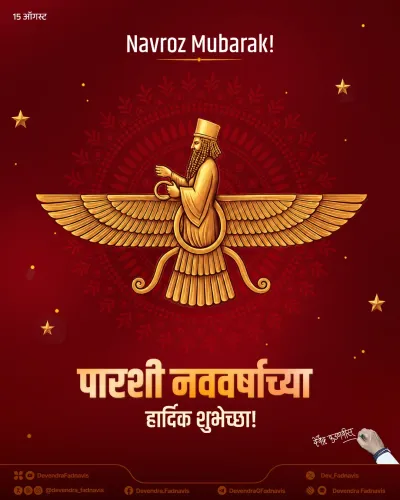
On a morning that marks both India's Independence Day and the Parsi New Year, Union External Affairs Minister Dr. S. Jaishankar extended warm greetings to the Parsi community across the country, wishing them peace, prosperity, good health, and renewal.
Posting on Saturday, August 15, the Minister wrote: 'Greetings on the Parsi New Year. May the New Year bring peace, prosperity, good health and renewal for all. Navroz Mubarak!'
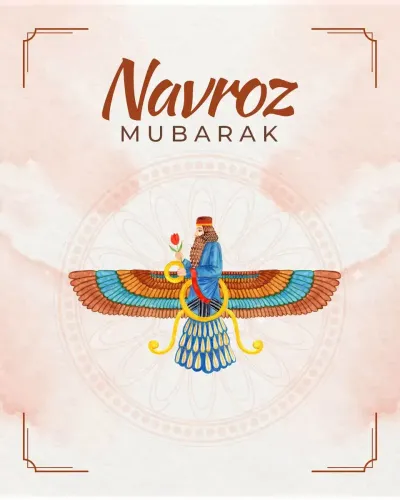
Navroz — meaning 'new day' in Persian — is the Zoroastrian New Year observed by India's Parsi community according to the Shahenshahi calendar, which places the celebration in August, distinct from the spring Navroz observed in Iran and Central Asia. The Parsi community, descendants of Zoroastrians who migrated from Persia centuries ago, maintains its own calendar, rituals, and cultural identity within India's pluralistic fabric.
India's Parsi population, though small in number, has long punched far above its weight in contributions to industry, law, science, and public life — a legacy that makes the community's festivals a regular fixture in the national calendar of acknowledgements.
Point of View
Signalling inclusive statecraft. For a diplomat of Jaishankar's stature, such gestures also carry a soft-power dimension — India's treatment of its Zoroastrian minority is frequently cited in conversations about religious pluralism abroad. The timing on Independence Day adds a layered symbolism: national unity and civilisational diversity acknowledged in the same breath. It reflects a broader pattern where India's foreign policy establishment consciously projects the country's multicultural identity as a diplomatic asset.
NationPress
15 Aug 2026
Frequently Asked Questions
What is Navroz and when is it celebrated?
Navroz is the Zoroastrian New Year, meaning 'new day' in Persian. India's Parsi community celebrates it in August according to the Shahenshahi calendar, which differs from the spring Navroz observed in Iran and Central Asia.
Who are the Parsis in India?
Parsis are descendants of Zoroastrians who migrated from Persia to India, primarily settling along the western coast. They maintain distinct religious practices, a separate calendar, and have made significant contributions to Indian industry, law, and public life.
Why did Jaishankar post Navroz greetings?
As Union External Affairs Minister, Dr. Jaishankar extended greetings in keeping with the Indian government's tradition of publicly acknowledging festivals observed by minority communities across the country.
What did Jaishankar say on Navroz 2026?
He posted: 'Greetings on the Parsi New Year. May the New Year bring peace, prosperity, good health and renewal for all. Navroz Mubarak!'
What is the Shahenshahi calendar?
The Shahenshahi calendar is the traditional Zoroastrian calendar used by India's Parsi community. Unlike the Fasli calendar used in Iran, it has not been adjusted for leap years, which is why Parsi Navroz falls in August rather than in spring.