Jaishankar Concludes Mongolia Visit, Meets FM Batmunkh
Synopsis
External Affairs Minister Dr. S. Jaishankar wrapped up an official visit to Mongolia on 24 June 2026, praising productive discussions with FM Battsetseg Batmunkh. The visit deepens India-Mongolia ties under the Strategic Partnership forged in 2015 and reflects India's Eurasian outreach.
Key Takeaways
Jaishankar concluded an official visit to Mongolia on 24 June 2026 , calling it 'excellent'.
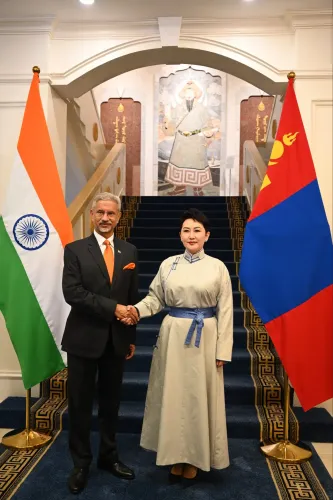
He held discussions with Mongolian Foreign Minister Battsetseg Batmunkh , describing them as 'productive'.
India and Mongolia have maintained diplomatic relations since 1955 , with embassies established in 1971 .
Bilateral ties were elevated to a Strategic Partnership during PM Modi's landmark 2015 visit — the first by an Indian Prime Minister to Mongolia .
Mongolia's 'third neighbour' policy makes India a key partner in balancing the influence of Russia and China .
The visit aligns with India's Act East and Connect Central Asia policy frameworks for Eurasian engagement.
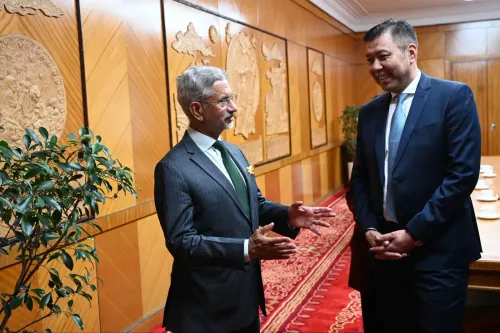
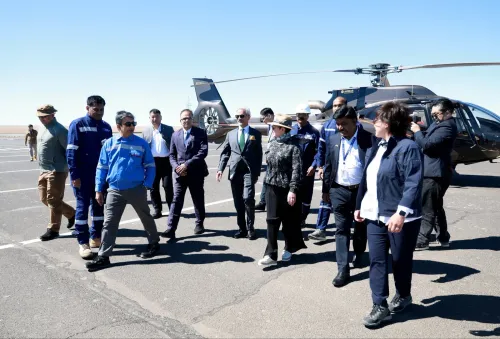
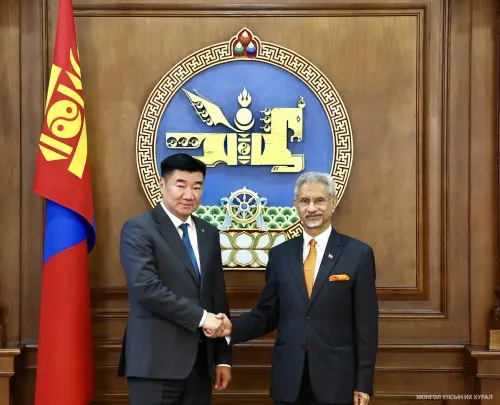
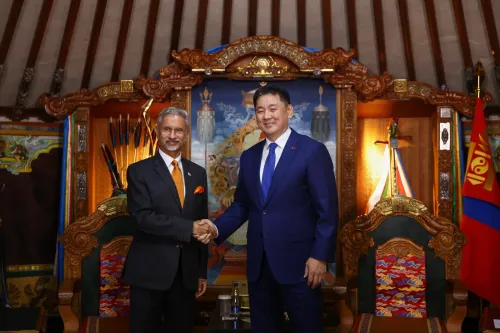
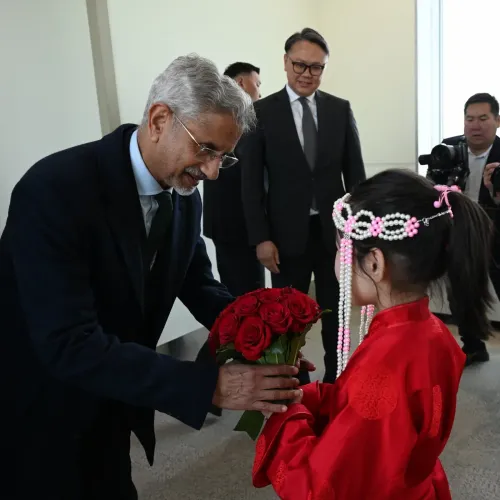
Union External Affairs Minister Dr. S. Jaishankar on Wednesday, 24 June 2026 concluded an official visit to Mongolia, describing it as 'excellent' and thanking Mongolian Foreign Minister Battsetseg Batmunkh for warm hospitality and productive discussions. The visit marks one of the highest-level diplomatic engagements between New Delhi and Ulaanbaatar in recent years.
Context
Dr. Jaishankar took to X to announce the conclusion of his visit, writing: 'Concluded an excellent visit to Mongolia! Thank the leadership and my counterpart FM Battsetseg Batmunkh for the warm hospitality and productive discussions.' The post, accompanied by the flags of both nations, signals a positive diplomatic tenor to the engagement. His counterpart, Battsetseg Batmunkh, serves as Mongolia's Foreign Minister and is the principal interlocutor for the country's external affairs.
Policy Backdrop
India and Mongolia established diplomatic relations in 1955, with resident embassies set up in 1971. The relationship received a significant upgrade in 2015 when Prime Minister Narendra Modi visited Ulaanbaatar — the first-ever visit by an Indian Prime Minister to Mongolia — and elevated bilateral ties to a Strategic Partnership. That visit cemented cultural, economic, and defence linkages between the two nations.
Mongolia is a landlocked country sharing borders with Russia and China, and has long pursued a 'third neighbour' policy to diversify its external partnerships and reduce dependence on its two giant neighbours. India fits naturally into this framework, given longstanding cultural bonds rooted in Buddhism and a shared interest in a multipolar regional order.
Stakeholders and Impact
The visit engages the foreign ministries of both countries and the broader diplomatic communities in New Delhi and Ulaanbaatar. For India, steady engagement with Mongolia forms part of its outreach to Eurasian nations under the Act East and Connect Central Asia policy frameworks, which seek to deepen connectivity and strategic ties across the region. For Mongolia, deepening ties with India reinforces its 'third neighbour' strategy, providing diplomatic and economic ballast beyond the immediate neighbourhood of Russia and China.
Cultural and people-to-people ties, particularly around shared Buddhist heritage, continue to provide a durable foundation for the relationship. These bonds have historically facilitated cooperation in areas ranging from education and scholarships to heritage conservation.
What's Next
Following Dr. Jaishankar's visit, both sides may be expected to pursue follow-up engagements in multilateral forums where both nations participate, including platforms linked to regional connectivity and dialogue. Reciprocal high-level visits and further consultations between the two foreign ministries are a natural next step. The visit reinforces India's commitment to sustained diplomatic engagement across Eurasia, signalling that Ulaanbaatar remains a valued partner in New Delhi's broader neighbourhood and extended neighbourhood outreach.
Point of View
Though brief, carries strategic weight as part of India's sustained effort to cultivate partnerships across Eurasia beyond the immediate neighbourhood. Mongolia's 'third neighbour' doctrine and India's Act East framework create a natural alignment that both sides have incrementally built upon since the 2015 Strategic Partnership upgrade. High-level ministerial visits of this kind serve to keep the bilateral relationship active and signal to regional powers that India's diplomatic footprint in the Eurasian space is deliberate and growing. The timing also suggests New Delhi is keen to diversify its diplomatic engagements amid a complex regional environment shaped by the Russia-China axis on Mongolia's borders.
NationPress
23 Sept 2026
Frequently Asked Questions
Why did Jaishankar visit Mongolia in June 2026?
Dr. S. Jaishankar visited Mongolia to hold bilateral discussions with Foreign Minister Battsetseg Batmunkh, deepening the Strategic Partnership between the two countries and advancing India's Eurasian diplomatic outreach.
What is the India-Mongolia Strategic Partnership?
India and Mongolia elevated their bilateral ties to a Strategic Partnership in 2015 during Prime Minister Narendra Modi's visit to Ulaanbaatar — the first-ever visit by an Indian Prime Minister to Mongolia — covering defence, culture, and economic cooperation.
When did India and Mongolia establish diplomatic relations?
India and Mongolia established diplomatic relations in 1955, with resident embassies opened in both capitals in 1971.
What is Mongolia's 'third neighbour' policy?
Mongolia's 'third neighbour' policy is a foreign policy doctrine that seeks to build strong ties with countries beyond its immediate neighbours Russia and China, in order to diversify partnerships and reduce geopolitical dependence. India is considered a key 'third neighbour.'
Who is Battsetseg Batmunkh?
Battsetseg Batmunkh is the Foreign Minister of Mongolia and the country's principal diplomat for managing external affairs, including bilateral relations with India.