Jal Shakti Minister CR Paatil Inspects Flood-Hit Bhatha Village
Synopsis
Union Jal Shakti Minister C. R. Paatil visited flood-hit Bhatha village in Gujarat on 25 July 2026, meeting residents, assessing ground conditions, and directing officials to fast-track relief and rehabilitation for affected families.
Key Takeaways
Paatil , Union Minister of Jal Shakti, conducted a personal inspection of flood-affected areas in Bhatha village, Gujarat on 25 July 2026 .
The minister held direct conversations with local residents to understand their hardships and immediate needs.
He reviewed relief and rehabilitation operations with relevant officials and issued directives for timely assistance.
The visit falls under India's disaster response framework established by the Disaster Management Act, 2005 .
Paatil directed that affected families receive necessary support promptly and that normalcy be restored at the earliest.
Timelines for central relief fund disbursal and rehabilitation progress in Gujarat are expected to be watched closely.
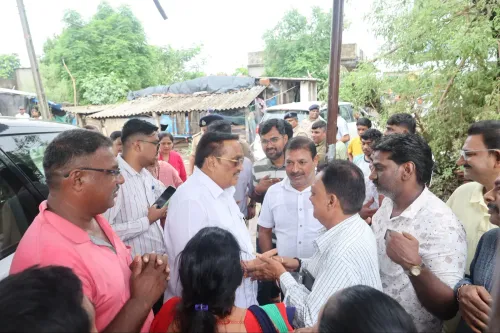
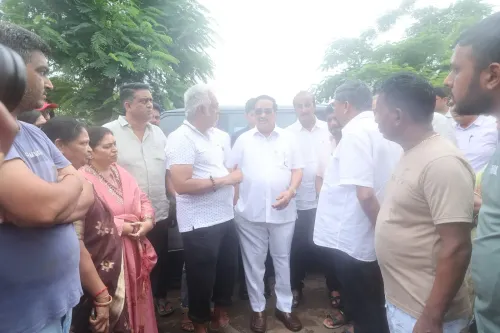
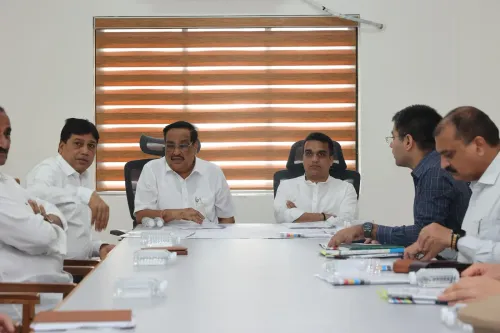
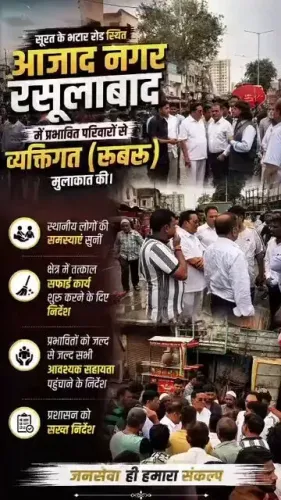
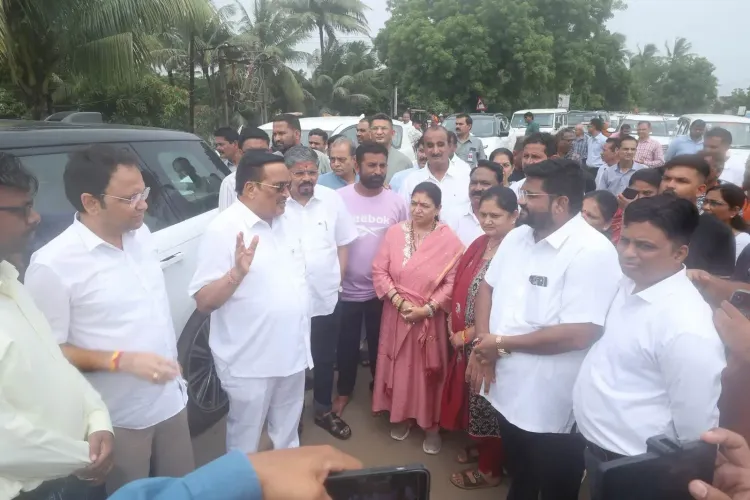
Union Jal Shakti Minister C. R. Paatil visited the flood-affected areas of Bhatha village in Gujarat on Saturday, 25 July 2026, conducting a ground-level inspection of the situation and engaging directly with residents to understand their hardships and needs. He subsequently reviewed ongoing relief and rehabilitation operations with local officials and issued directives to ensure timely assistance reaches affected families and normalcy is restored swiftly.
Context
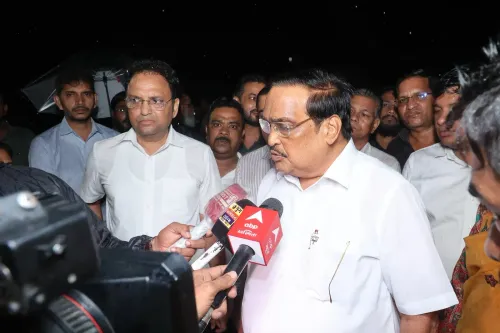
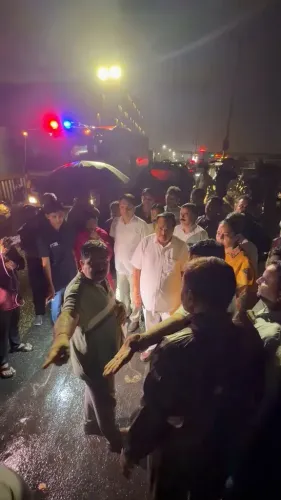
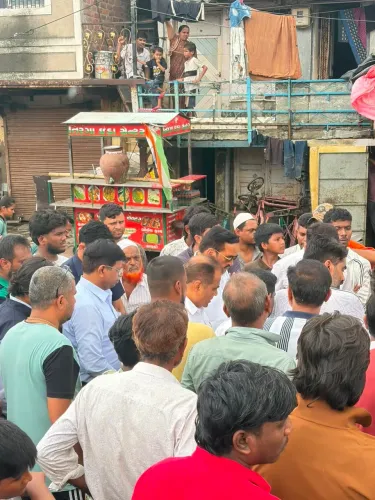
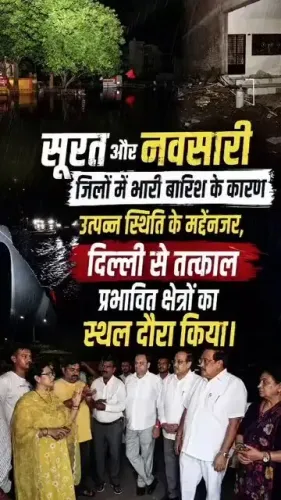
Paatil, posting in Gujarati on X, stated that he 'ભાઠા ગામના પૂરગ્રસ્ત વિસ્તારોની મુલાકાત લઈ પરિસ્થિતિનું નિરીક્ષણ કર્યું' — 'visited the flood-affected areas of Bhatha village and inspected the situation.' He added that he held conversations with local citizens to gather first-hand information about their difficulties and requirements. The post was accompanied by three images from the visit.
Bhatha village, located in Gujarat, was among the localities impacted by monsoon flooding. Central ministers conducting such on-ground assessments are a recurring feature of India's monsoon disaster response, particularly in flood-prone western India.
Policy Backdrop
India's disaster response architecture is governed by the Disaster Management Act, 2005, which establishes a framework for coordinated action between central and state governments during natural calamities such as floods. Under this framework, central ministers and officials are empowered to direct relief operations and liaise with state administrations to accelerate rehabilitation.
Paatil, as Union Minister of Jal Shakti — the ministry responsible for water resources and flood management — holds a direct policy mandate in situations involving water-related disasters. His inspection aligns with the BJP-led government's stated emphasis on rapid central-state coordination during monsoon emergencies, especially in Gujarat, where he previously served as state BJP president.
Stakeholders and Impact
The primary stakeholders are the flood-affected families of Bhatha village and the surrounding areas, who face displacement, loss of property, and disruption to daily life. Paatil's directive, as stated in his post, focused on ensuring that 'અસરગ્રસ્ત પરિવારોને જરૂરી સહાય સમયસર પહોંચે' — 'necessary assistance reaches affected families in a timely manner.'
Local administrative officials were part of the review meeting where the minister assessed the pace and adequacy of relief and restoration work. Such reviews typically result in expedited release of resources and clearer accountability chains between district authorities and the state government.
What's Next
Attention will now turn to the timelines for any central relief fund disbursal and the speed at which rehabilitation work progresses in Bhatha village and neighbouring flood-hit localities. Follow-up parliamentary questions on Gujarat flood rehabilitation are a likely outcome once the monsoon session resumes.
The minister's personal visit signals that the central government is monitoring the situation closely, and further official communications on relief disbursement and restoration milestones are expected in the coming days.
Point of View
Particularly in politically significant states like Gujarat. As both Jal Shakti Minister and a former Gujarat BJP president, his presence carries dual weight — administrative authority and political symbolism in the party's home state. The directive to officials to ensure 'timely' relief reflects the Centre's awareness that delays in monsoon rehabilitation can quickly become political liabilities. The visit also underscores the continuing centrality of the Disaster Management Act framework in shaping how central-state coordination is publicly performed during monsoon emergencies.
NationPress
25 Jul 2026
Frequently Asked Questions
Why did CR Paatil visit Bhatha village in Gujarat?
C. R. Paatil, Union Minister of Jal Shakti, visited Bhatha village on 25 July 2026 to inspect flood-affected areas, speak with residents about their needs, and review relief and rehabilitation operations with local officials.
What is Bhatha village and where is it located?
Bhatha village is a locality in Gujarat that was affected by monsoon flooding, prompting a ground inspection by the Union Jal Shakti Minister in July 2026.
What instructions did CR Paatil give after the flood inspection?
Paatil directed relevant officials to ensure that necessary assistance reaches affected families in a timely manner and that normal life is restored as quickly as possible.
What is the Jal Shakti Ministry's role in flood relief?
The Ministry of Jal Shakti oversees water resources and flood management in India, giving it a direct policy mandate in responding to water-related disasters under the Disaster Management Act, 2005.
What happens after a central minister's flood inspection visit?
Typically, such visits lead to expedited release of relief funds, clearer accountability for district officials, and follow-up parliamentary scrutiny of rehabilitation progress in the affected region.