Jal Shakti Minister marks 7 years of Jal Jeevan Mission
Synopsis
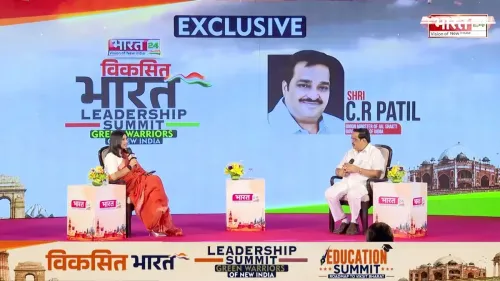
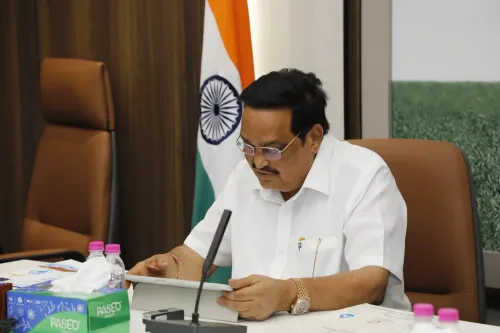
Union Jal Shakti Minister C. R. Paatil has marked the seventh anniversary of the Jal Jeevan Mission, launched on 15 August 2019, calling on citizens to protect rural water infrastructure — overhead tanks, pump houses, and pipe networks — as a matter of national duty alongside Independence Day.
Key Takeaways
The Jal Jeevan Mission was launched on 15 August 2019 by Prime Minister Narendra Modi and completes seven years on Independence Day 2026.
Paatil linked the mission's anniversary directly to Independence Day, framing tap water access as a form of grassroots freedom.
The minister called on citizens to pledge protection of village water schemes, overhead tanks, pump houses, water sources, and pipe networks for future generations.
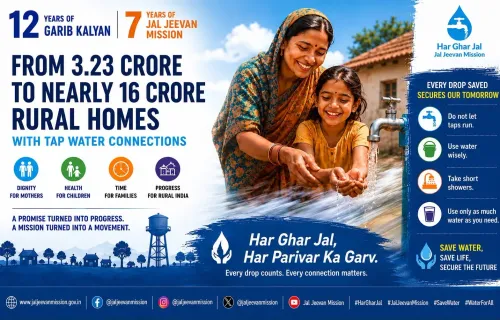
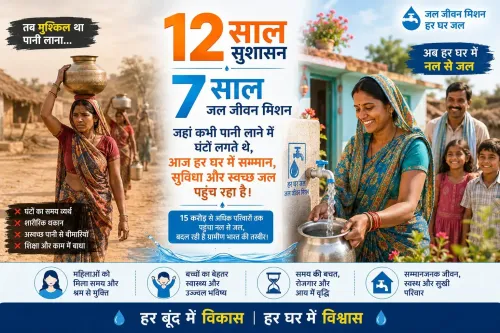
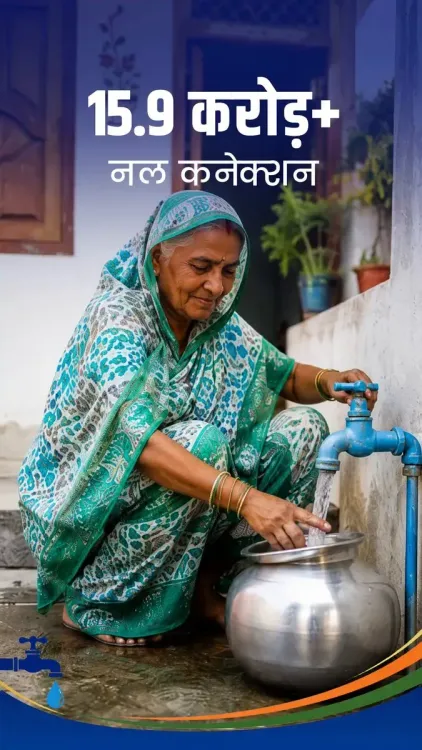
JJM's stated impact centres on saving women's time, improving children's health, and restoring family dignity in rural households.
The government's emphasis on janbhagidari (public participation) signals a shift in focus from asset creation to long-term community-led maintenance.
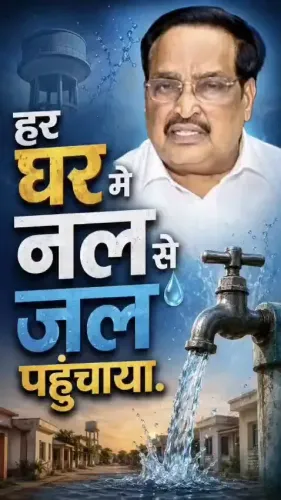
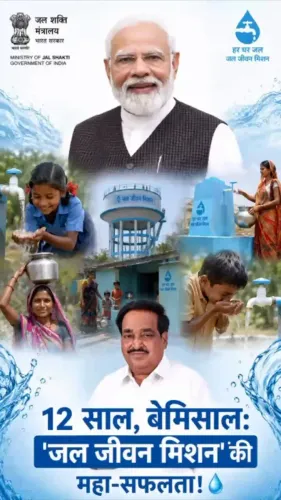
Seven years after Prime Minister Narendra Modi stood at the Red Fort ramparts and promised tap water to every rural home, Union Jal Shakti Minister C. R. Paatil marked the anniversary on 12 August 2026 with a call that goes beyond celebration — a public pledge to protect every pipe, pump house, and overhead tank that the mission has built.
From a Red Fort promise to millions of rural taps
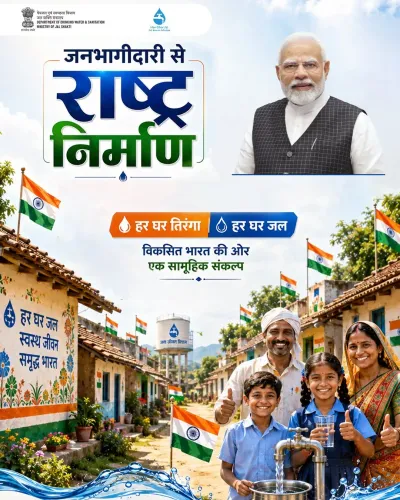
The Jal Jeevan Mission (JJM) was launched on 15 August 2019, the very day India marked its 73rd Independence Day. The idea was straightforward and audacious in equal measure: end the centuries-old burden of water-fetching that fell almost entirely on rural women and children by running a functional tap connection into every rural household in the country. Seven years on, the mission completes what the government calls its 'seven glorious years' — 'saat gauravshali varsh' — on this Independence Day.
Paatil's post, written in Hindi and addressed to citizens as much as to officials, frames the milestone as a dual symbol: the tricolour represents political freedom, and the tap connection represents a quieter, equally consequential liberation from daily hardship. 'Every tap connection has given women time, children better health, and families dignity and convenience,' he wrote.
The infrastructure India is now being asked to guard
The minister's message pivots sharply from commemoration to stewardship. He calls on citizens to take a pledge — 'sankalp' — to protect village water schemes, overhead tanks, pump houses, water sources, and pipe networks, and to preserve them for coming generations. The closing lines carry an almost constitutional weight: 'Tirangle ka maan, jal sanrachnaon ka sammaan' — 'Honour the tricolour, respect the water infrastructure.'
This is not incidental language. JJM follows the template set by the Swachh Bharat Mission, where asset creation was deliberately paired with community ownership to prevent post-construction neglect — a failure mode that had undermined earlier rural water programmes for decades. Paatil's invocation of 'janbhagidari' (public participation) signals that the government's next challenge is not building taps but keeping them running.
Why women and children are the real metric
The Ministry of Jal Shakti has consistently anchored JJM's impact story in gender and public health terms rather than pure infrastructure counts. Fetching water — often from distant, contaminated sources — consumed hours of women's days and exposed children to waterborne disease. A functional household tap collapses both problems at once. Paatil's post reiterates this framing, positioning the mission not as a pipes-and-tanks project but as a social transformation delivered through plumbing.
As India salutes the tricolour on 15 August 2026, the government's message is clear: the real test of Jal Jeevan Mission's legacy will not be counted in connections laid, but in connections that still flow — maintained, protected, and owned by the communities they serve.
Point of View
And pre-empt the next political vulnerability — post-construction asset decay. By weaving a maintenance pledge into an Independence Day tribute, the Ministry of Jal Shakti is quietly shifting accountability for infrastructure upkeep from the state to the community, a move that mirrors the Swachh Bharat playbook. The framing of tap water as a form of freedom — equal in dignity to political independence — is a deliberate attempt to embed JJM in the national consciousness as a civilisational achievement rather than a routine government scheme. Whether that narrative holds will depend on how many of those connections are still functional when the next audit arrives.
NationPress
12 Aug 2026
Frequently Asked Questions
When was Jal Jeevan Mission launched?
Jal Jeevan Mission was launched by Prime Minister Narendra Modi on 15 August 2019 , on Independence Day, with the goal of providing functional household tap connections to every rural home in India.
What is Jal Jeevan Mission's goal?
The mission aims to deliver safe drinking water through functional tap connections to all rural households in India, eliminating the need for women and children to fetch water from distant or unsafe sources.
What did C. R. Paatil say about Jal Jeevan Mission?
Union Jal Shakti Minister C. R. Paatil called on citizens to pledge protection of rural water infrastructure — including overhead tanks, pump houses, and pipe networks — as a national duty on the mission's seventh anniversary.
What is Har Ghar Jal?
'Har Ghar Jal' — meaning 'water in every home' — is the tagline and operational goal of the Jal Jeevan Mission, representing the government's commitment to universal rural tap water access.
Why does Jal Jeevan Mission focus on women?
In rural India, the burden of fetching water from distant or contaminated sources fell almost entirely on women and girls. A household tap connection directly saves their time and reduces exposure to unsafe water, which is why the mission frames women's time savings as a core measure of success.