Jal Shakti Minister Paatil hails Vani village's rainwater model
Synopsis
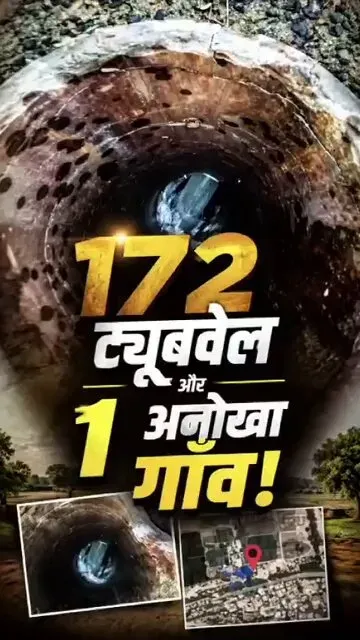
Union Jal Shakti Minister C. R. Paatil has praised Vani village in Ahmedabad district, Gujarat, for using 172 tubewells to push rainwater nearly 1,000 feet underground, calling it a live example of PM Modi's 'Catch the Rain' campaign becoming a people's movement through community participation and modern technology.
Key Takeaways
Union Jal Shakti Minister C.
Paatil highlighted Vani village, Ahmedabad district, Gujarat as a model groundwater recharge site on 27 July 2026 .
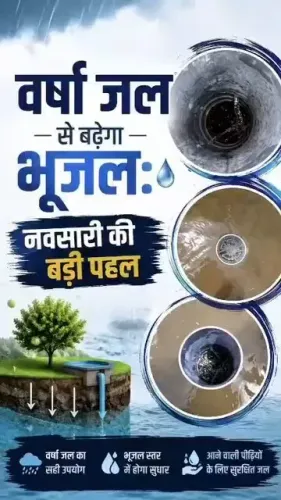
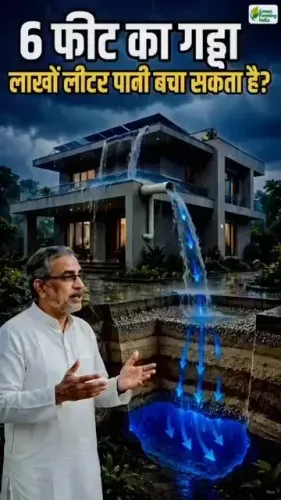
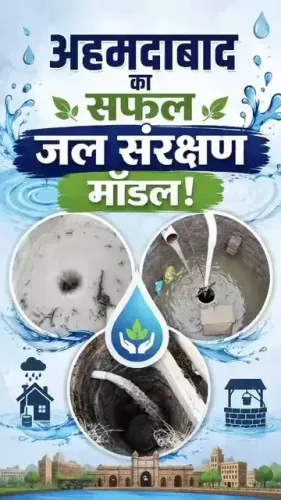
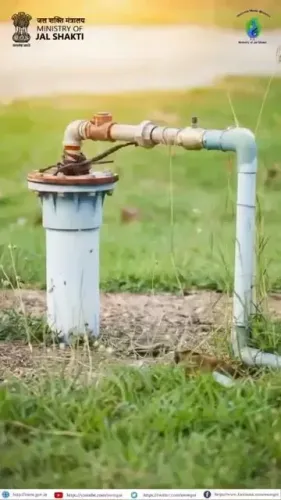
The village uses 172 tubewells (old and new combined) to channel rainwater to approximately 1,000 feet depth for deep aquifer recharge.
The initiative is framed as a ground-level implementation of PM Modi's Catch the Rain campaign through jan bhagidari (people's participation).
Improved groundwater levels are directly benefiting local farmers' irrigation and agricultural water needs .
The model aligns with the Jal Shakti Abhiyan (launched 2019) and Atal Bhujal Yojana , both targeting water-stressed districts including in Gujarat.
Gujarat has historically been a laboratory for decentralised water harvesting, with state practices later informing national policy.
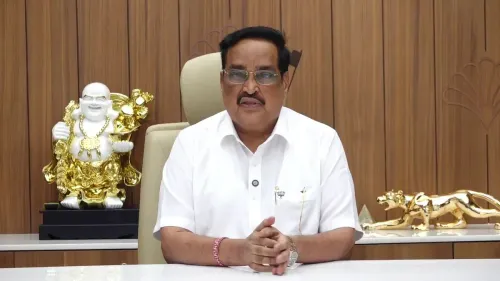
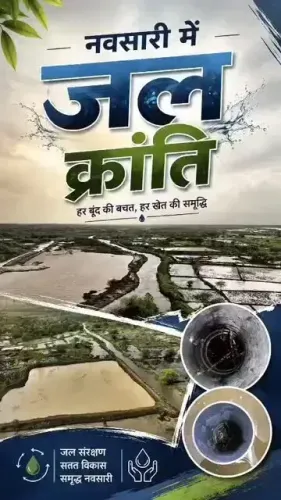
Union Jal Shakti Minister C. R. Paatil on Monday, 27 July 2026, spotlighted Vani village in Ahmedabad district, Gujarat, as a model of community-led groundwater recharge, saying it was translating Prime Minister Narendra Modi's 'Catch the Rain' call into ground-level action through people's participation.
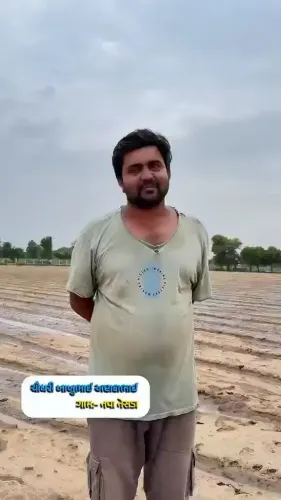
In his post, Paatil wrote: 'Vani gaon jal sanrakshan ki prerak misal prastut kar raha hai' ('Vani village is presenting an inspiring example of water conservation'). He noted that the village is channelling rainwater to a depth of approximately 1,000 feet through a combined network of 172 tubewells — both old and new — to recharge deep aquifers, while also meeting irrigation and agricultural water needs of local farmers.
Context
The post comes during the active 2026 monsoon season, a period when India's water ministries typically accelerate outreach on rainwater harvesting. Paatil, who also served as BJP Gujarat state president, has a political and administrative stake in showcasing Gujarat's water management record. Vani village's approach — using tubewells as recharge conduits rather than merely extraction points — represents a community-scale adaptation of techniques that Gujarat has experimented with since the 1990s.
The minister used hashtags #CatchTheRain, #JalSanchay, #WaterConservation, #JalShakti, and #JanBhagidari, signalling that the post is part of a broader ministry-level communication drive around the monsoon period.
Policy Backdrop
The Catch the Rain campaign was launched in 2021 under the Jal Shakti Abhiyan to convert rainwater conservation into a mass movement, building on the Abhiyan's original 2019 mandate targeting 256 water-stressed districts across India. Separately, the Atal Bhujal Yojana, approved in 2019, funds community-led groundwater management in seven states, including Gujarat, providing an institutional backbone for exactly the kind of village-level initiative Paatil is highlighting.
Gujarat has long served as a testing ground for decentralised water harvesting — from check dams to recharge wells — and several state-level practices have since been absorbed into national policy frameworks. The Vani village model, combining legacy infrastructure with newer tubewell technology for deep aquifer recharge, fits squarely within this lineage.
Stakeholders and Impact
The primary beneficiaries cited are Gujarat farmers in and around Ahmedabad district, for whom improved groundwater levels translate directly into more reliable irrigation access, particularly in the lean summer months that follow the monsoon. Declining water tables in western and peninsular India have made such recharge interventions increasingly urgent for agricultural communities dependent on bore wells.
For the Ministry of Jal Shakti, Vani village functions as a communicable success story — a replicable template that can be cited in block-level planning under future phases of the Jal Shakti Abhiyan. The minister's framing — that people's participation combined with modern technology turns a campaign into a 'jan andolan' (people's movement) — reflects the ministry's consistent messaging around citizen ownership of water conservation.
What's Next
Groundwater level data from Ahmedabad district after the 2026 monsoon will be a key indicator of whether deep-recharge efforts like Vani's are producing measurable results. Water resource planners and state agencies will be watching whether similar village-scale models are formally integrated into the next phase of Jal Shakti Abhiyan block-level plans. If Vani's outcomes are documented and verified, the model could inform replication in other water-stressed districts across Gujarat and neighbouring states.
Point of View
Anchoring Vani village's tubewell recharge model to PM Modi's 'Catch the Rain' brand during peak monsoon season. The choice of Gujarat, Paatil's home political turf, is unlikely to be accidental: it reinforces the BJP's long-standing narrative of Gujarat as a governance benchmark for the rest of India. More broadly, the emphasis on jan bhagidari over top-down infrastructure signals a ministry pivot toward community-ownership messaging as the Jal Shakti Abhiyan enters a more mature phase. Whether Vani's outcomes are independently verified and scaled will determine if this remains a communication exercise or becomes a genuine policy template.
NationPress
27 Jul 2026
Frequently Asked Questions
What is the Catch the Rain campaign?
The Catch the Rain campaign is a central government initiative launched in 2021 under the Jal Shakti Abhiyan, urging states and communities to conserve rainwater through local action before and during the monsoon season.
What is Vani village doing for water conservation?
Vani village in Ahmedabad district, Gujarat, is using a network of 172 tubewells to channel rainwater approximately 1,000 feet underground, recharging deep aquifers and improving irrigation water availability for local farmers.
Who is C. R. Paatil and what ministry does he head?
C. R. Paatil is the Union Minister of Jal Shakti, the ministry responsible for water resources, river development, and the Ganga rejuvenation mission. He is also a senior BJP leader and former Gujarat state president of the party.
What is the Jal Shakti Abhiyan?
The Jal Shakti Abhiyan is a mission-mode water conservation programme launched in 2019, initially targeting 256 water-stressed districts across India with campaigns for rainwater harvesting, groundwater recharge, and watershed management.
How does deep tubewell recharge help farmers in Gujarat?
By pushing rainwater deep into aquifers, tubewell recharge raises groundwater levels that farmers depend on for bore-well irrigation, reducing the risk of water scarcity during dry months after the monsoon ends.