Jal Shakti Minister Paatil Inspects Chikhli Flood Situation
Synopsis
Union Jal Shakti Minister C. R. Paatil visited the flood-hit riverfront area of Chikhli in Navsari district, Gujarat, on 25 July 2026, reviewed relief operations, and directed local authorities to keep citizen safety as the foremost priority amid heavy monsoon rains.
Key Takeaways
Paatil , Union Minister of Jal Shakti, conducted an on-ground inspection of the flood-affected riverfront area in Chikhli, Navsari district, Gujarat on 25 July 2026 .
The visit was prompted by heavy rainfall and flooding that created an emergency situation along the riverfront.
Paatil reviewed the status of ongoing relief and security arrangements deployed at the site.
He issued directives to the local administration and concerned agencies to exercise heightened caution and prioritise the safety of citizens.
The visit reflects the Jal Shakti Ministry's active role in flood assessment and central-state disaster coordination under the Disaster Management Act, 2005 .
Observers will watch for any announcement of additional central assistance or enhanced NDRF deployment for Navsari district .
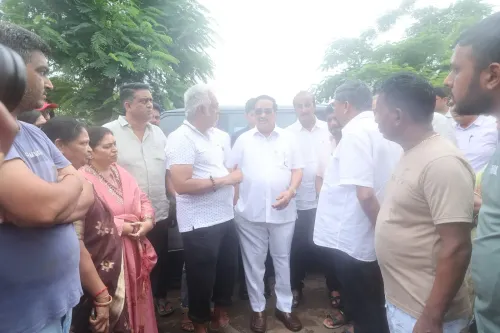
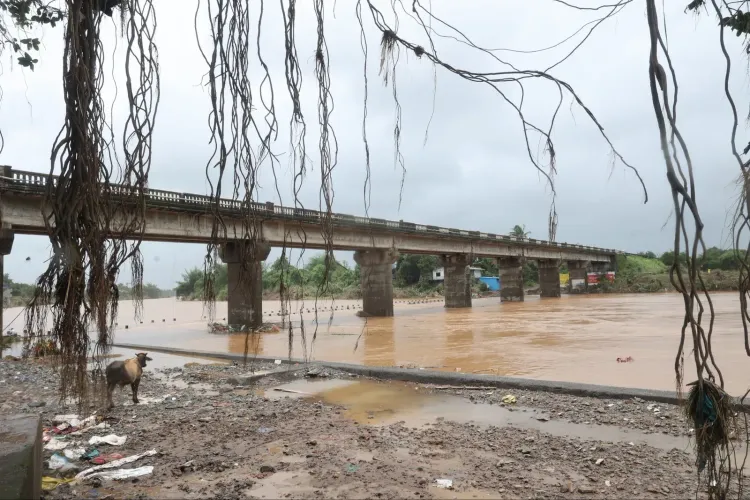
Union Jal Shakti Minister C. R. Paatil on Saturday, 25 July 2026, visited the riverfront area of Chikhli in Navsari district, Gujarat, to personally assess the damage and disruption caused by heavy rainfall and flooding. He reviewed ongoing relief and rescue operations on the ground and issued directives to local authorities to prioritise citizen safety and maintain heightened vigilance given the prevailing conditions.
Context
Paatil's post, written in Gujarati, states that he 'riverfront vistar ni mulakat lai bhaare varsaad ane pooar ni paristhitine kaaran sarjaayeli sthitinu nirikshan karyu' — that is, 'visited the riverfront area and inspected the situation arising from heavy rain and flood conditions.' He added that he gathered information on the relief and security arrangements in place and instructed the concerned machinery to exercise necessary caution and make citizen safety the top priority.
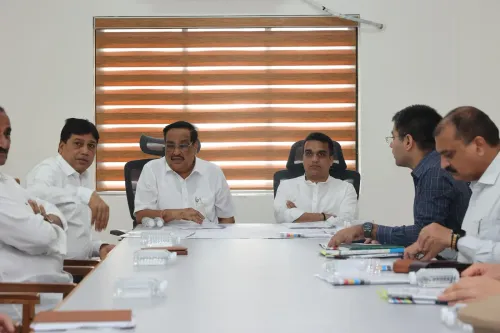
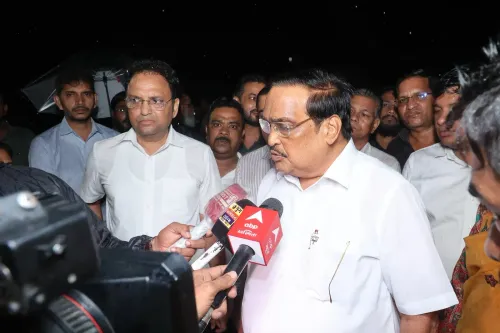
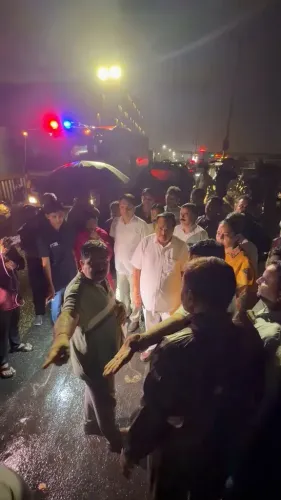
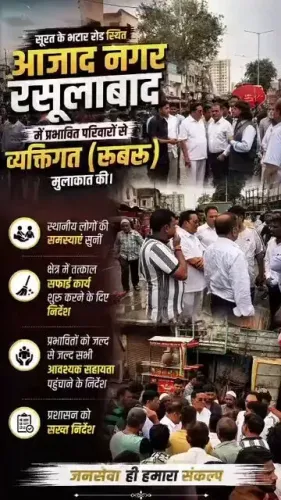
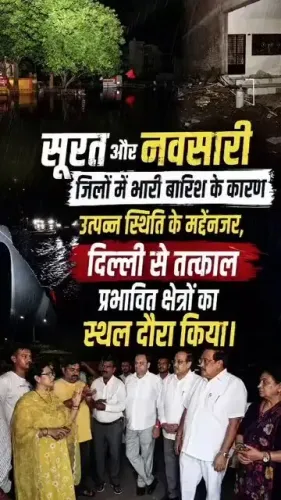
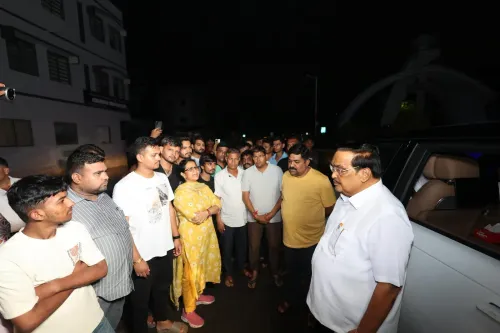
Chikhli is a town in Navsari district along the southern Gujarat coast, a region historically vulnerable to monsoon flooding due to its riverine geography. The visit, accompanied by four photographs shared on social media, signals direct central-level attention to the situation on the ground.
Policy Backdrop
Central ministers from water resources and disaster management portfolios routinely undertake on-ground inspections in flood-prone districts of Gujarat during the monsoon season. Such visits typically focus on real-time assessment of relief operations, embankment conditions, and coordination between state agencies and the National Disaster Response Force (NDRF).
The framework for such central-state coordination during floods is established under the Disaster Management Act, 2005, which mandates structured inter-agency response protocols. As the minister heading the Jal Shakti Ministry — which oversees water resources and river development — Paatil's presence at the site underscores the ministry's role in flood assessment beyond its routine water-supply mandate.
Stakeholders and Impact
The most immediate stakeholders are the flood-affected residents of Chikhli and the broader Navsari district, whose homes, livelihoods, and safety are at risk during periods of sustained heavy rainfall. Local administration, district disaster management units, and NDRF teams are the operational agencies responsible for relief delivery and evacuation support.
Gujarat has seen repeated central-state collaboration on riverfront infrastructure projects and drainage upgrades aimed at reducing urban and peri-urban flooding. A senior central minister's field visit typically accelerates inter-agency coordination and can unlock additional central resources for affected talukas.
What's Next
Attention will now turn to whether Paatil's inspection translates into a formal announcement of additional central financial assistance or enhanced NDRF deployment for the affected areas of Navsari district. The monsoon season in southern Gujarat typically extends through September, meaning sustained vigilance and resource allocation will remain critical in the weeks ahead.
The Jal Shakti Ministry's broader mandate on river management and flood mitigation infrastructure positions it as a key central actor in any medium-term response plan for the region's recurring flooding challenges.
Point of View
Serving both an administrative and a political signalling function. As the Jal Shakti Minister, his presence at a riverfront flood site reinforces the ministry's expanded identity — from a water-supply body to an active flood-response stakeholder. The visit also comes against the backdrop of Gujarat's recurring challenge of managing riverine flooding in coastal districts, where long-promised drainage and embankment upgrades have had uneven implementation. Whether the inspection produces concrete resource commitments or remains a high-visibility gesture will determine its actual policy weight.
NationPress
25 Jul 2026
Frequently Asked Questions
Why did C. R. Paatil visit Chikhli on 25 July 2026?
Paatil visited Chikhli to personally inspect the flood and heavy-rain situation at the riverfront area, review relief and rescue operations, and direct local authorities to prioritise citizen safety.
Where is Chikhli and why is it flood-prone?
Chikhli is a town in Navsari district in southern Gujarat. Its riverine geography makes it vulnerable to monsoon flooding, particularly during periods of sustained heavy rainfall.
What is the Jal Shakti Ministry's role in flood management?
The Jal Shakti Ministry oversees water resources and river development, and works in coordination with state governments and the NDRF during flood events under the framework of the Disaster Management Act, 2005.
What instructions did Paatil give during the Chikhli visit?
He instructed the concerned local machinery to maintain necessary vigilance in view of the prevailing flood conditions and to make the safety of citizens the top priority in all ongoing operations.
Will the central government send additional NDRF teams to Navsari district?
No formal announcement has been made yet. Observers are watching whether Paatil's inspection leads to a declaration of additional central financial assistance or enhanced NDRF deployment for the affected talukas in Navsari district.