Jal Shakti Minister Paatil Reviews JJM Progress With Maharashtra MPs
Synopsis
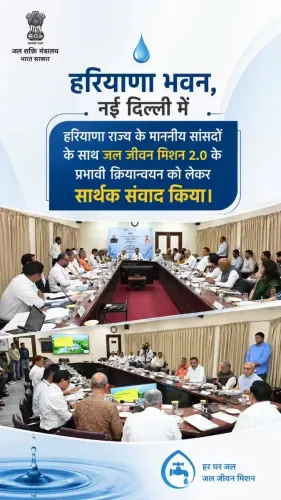
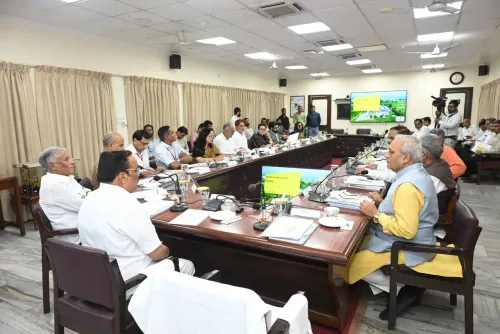
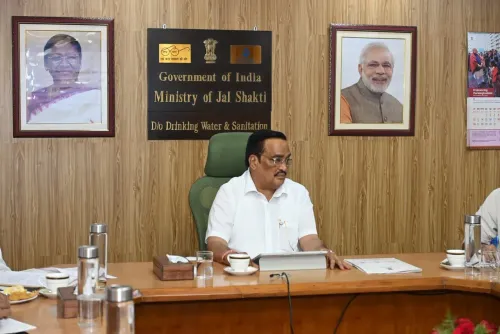
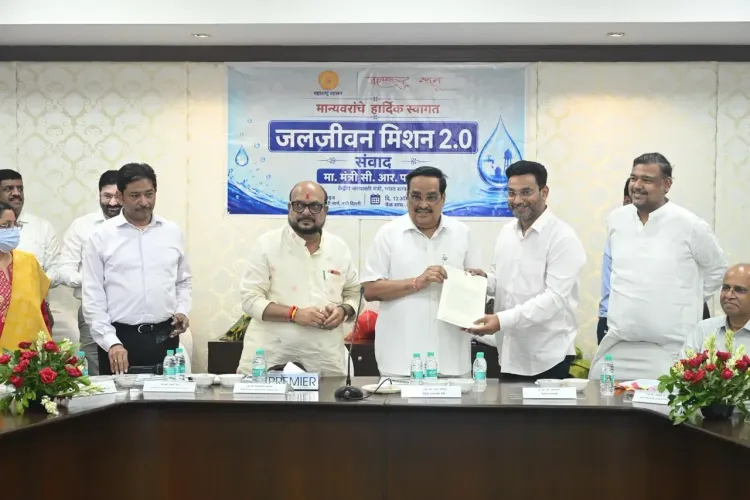
Union Jal Shakti Minister C. R. Paatil chaired a detailed review of Jal Jeevan Mission progress with Maharashtra MPs and ministers at Maharashtra Sadan, New Delhi, on 12 August 2026, focusing on accelerating last-mile implementation and ensuring 'Har Ghar Jal' is achieved permanently.
Key Takeaways
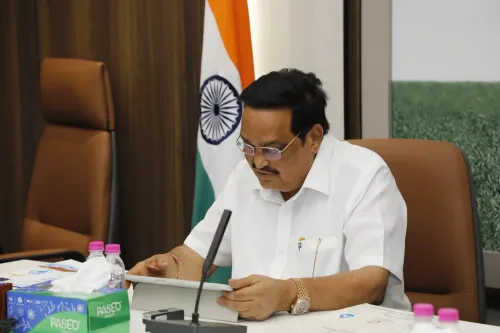
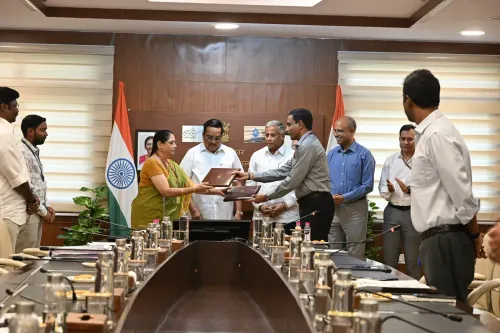
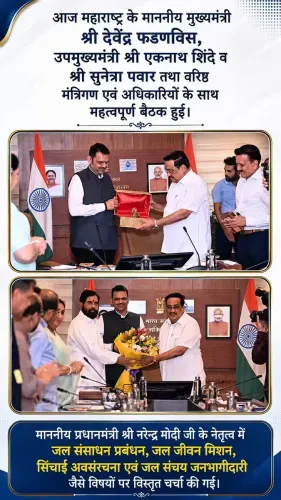
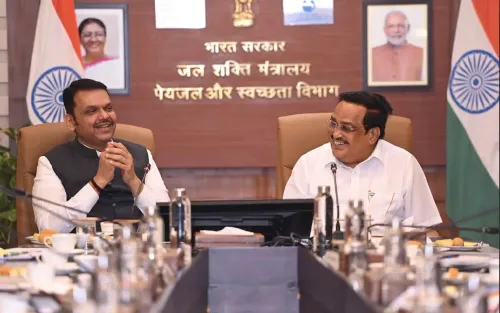
Paatil chaired a review meeting with Maharashtra MPs on Jal Jeevan Mission progress at Maharashtra Sadan, New Delhi on 12 August 2026 .
Union Ministers of State V.
Somanna , Raksha Khadse , and Ramdas Athawale , along with Maharashtra's Water Supply Minister Gulabrao Patil , attended.
MPs shared constituency-specific concerns and suggestions to improve ground-level implementation of JJM.
The meeting focused on accelerating mission activities and ensuring effective last-mile delivery of tap water connections.
Jal Jeevan Mission was launched in August 2019 with the goal of providing functional household tap connections to all rural families under the 'Har Ghar Jal' target.
At Maharashtra Sadan, New Delhi, on 12 August 2026, Union Jal Shakti Minister C. R. Paatil convened a high-level review meeting with Maharashtra's Members of Parliament to take stock of the Jal Jeevan Mission (JJM) — the flagship scheme that aims to deliver safe tap water to every rural home in the country.
Who Was in the Room
The meeting brought together a cross-section of the Union government and the state. Union Minister of State for Jal Shakti V. Somanna, Union Ministers of State Raksha Khadse and Ramdas Athawale, and Maharashtra's own Water Supply and Sanitation Minister Gulabrao Patil were all present. Senior officials from the Ministry of Jal Shakti and the Maharashtra government joined them.
That combination — central ministers, state ministers, MPs, and bureaucrats in one room — signals this was not a ceremonial gathering. It was a working session designed to close the gap between policy on paper and water in pipes.
MPs Raise Constituency-Level Gaps
Paatil said the elected representatives shared concerns and suggestions specific to their own constituencies. The discussion then turned to how those inputs could be used to accelerate on-ground implementation — the perennial last-mile challenge that has dogged large infrastructure schemes across India.
This kind of centre-state coordination meeting has become a regular feature of JJM's governance architecture. States raise implementation bottlenecks; the Centre responds with course corrections. Maharashtra, with its mix of water-stressed districts in Vidarbha and Marathwada alongside better-served coastal regions, presents a particularly varied implementation challenge.
'Har Ghar Jal' — The Commitment Restated
Paatil closed his post with an unambiguous restatement of the mission's core promise: under the leadership of Prime Minister Narendra Modi, the government's resolve is that every rural family receives safe and adequate drinking water through a tap connection — and that the 'Har Ghar Jal' ('water to every home') pledge is fulfilled on a permanent basis.
Launched in August 2019 and backed by the 2019-20 Union Budget, JJM replaced the earlier National Rural Drinking Water Programme with a sharper target and a larger funding envelope. The scheme's ambition is structural: not just pipes laid, but functional connections that deliver water reliably over time.
The next signal to watch is whether updated state-wise JJM coverage data emerges from Maharashtra following this review — and whether any revised timelines are set for households still waiting for their tap connection.
Point of View
State ministers, and MPs in one room, the Jal Shakti Ministry is signalling that accountability now runs through elected representatives, not just bureaucratic channels. For Maharashtra specifically — a state with acute water stress in Vidarbha and Marathwada — the political stakes of visible JJM progress are high ahead of any electoral cycle. Paatil's restatement of the 'Har Ghar Jal' pledge is as much a political commitment as an administrative directive.
NationPress
13 Aug 2026
Frequently Asked Questions
What is Jal Jeevan Mission and what is its goal?
Jal Jeevan Mission is a flagship central government scheme launched in August 2019 to provide functional household tap connections with safe drinking water to every rural family in India, under the 'Har Ghar Jal' target.
Why did C. R. Paatil meet Maharashtra MPs on 12 August 2026?
Union Jal Shakti Minister C. R. Paatil met Maharashtra MPs at Maharashtra Sadan, New Delhi to review the progress of Jal Jeevan Mission in the state and discuss ways to accelerate ground-level implementation.
Who attended the Jal Jeevan Mission review meeting with Maharashtra MPs?
The meeting was attended by Union Ministers of State V. Somanna, Raksha Khadse, and Ramdas Athawale, Maharashtra's Water Supply and Sanitation Minister Gulabrao Patil, and senior officials from the Jal Shakti Ministry and Maharashtra government.
What is the 'Har Ghar Jal' scheme?
'Har Ghar Jal' — meaning 'water to every home' — is the core promise of the Jal Jeevan Mission, committing the government to deliver safe tap water connections to all rural households across India.
What is Maharashtra's water supply challenge under JJM?
Maharashtra presents a varied implementation challenge, with water-stressed districts in Vidarbha and Marathwada requiring particular attention to ensure last-mile delivery of tap connections to rural households.