Jamia Millia Islamia shifts to online classes on Day 13 of student protests
Synopsis
Jamia Millia Islamia has moved all classes online as a two-week student protest shows no sign of ending. Hunger strikers are demanding restoration of a student union dissolved since 2006, and student groups allege the administration has turned to physical force — a charge the university has not addressed publicly.
Key Takeaways
Jamia Millia Islamia shifted all classes to online mode on 24 October 2026 , citing safety as a precautionary measure.
Students have been protesting for 13 consecutive days since 12 October , demanding restoration of the JMISU , dissolved in 2006 .
Several students are on a hunger strike and are also calling for the removal of the university's Chief Proctor .
The All India Students' Association (AISA) alleged that the administration is physically attacking hunger strikers and dismantling the protest site.
The university directed all faculty and students to follow the online schedule; no timeline for resuming physical classes was given.
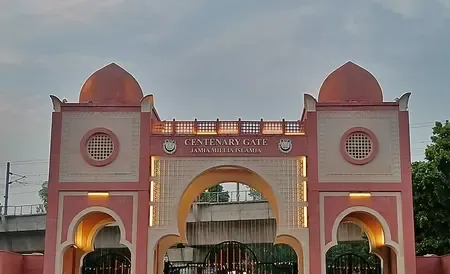
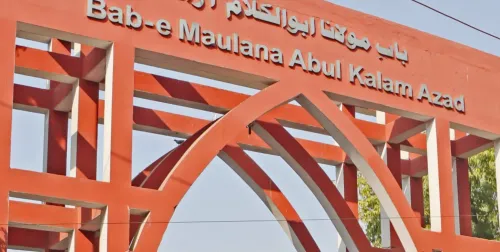
Jamia Millia Islamia (JMI) in New Delhi moved all academic classes to online mode on Saturday, 24 October 2026, citing safety concerns as student protests entered their 13th consecutive day. The university described the decision as a 'precautionary measure' to protect enrolled students while maintaining academic continuity.
What the University Said
In an official statement, the university's Competent Authority said: 'In view of the ongoing situation and in order to ensure the safety and security of bonafide students in the University Campus, the Competent Authority, JMI, has decided to conduct classes of all courses of the University through online mode with immediate effect until further notice.'
The statement added that the decision was taken to safeguard students' well-being 'while safeguarding their academic interests and ensuring continuity in the teaching-learning process without any undue disruption.' All Deans, Heads of Departments, Directors, faculty members, and students were directed to adhere to the online class schedule and participate regularly.
Faculty members were also asked to make the necessary arrangements for online platforms and provide students with learning materials, with any further updates to be communicated through official university channels.
Core Demands of the Protesters
Students have been staging continuous demonstrations since 12 October, demanding the restoration of the Jamia Millia Islamia Students' Union (JMISU), which was dissolved in 2006 — nearly two decades ago. Several students have escalated the agitation by going on a hunger strike, additionally calling for the removal of the university's Chief Proctor over an alleged crackdown on protesters.
Notably, the protest movement marks a rare sustained student mobilisation at one of India's prominent central universities, raising broader questions about democratic representation within campus governance structures.
Allegations of Violence on Campus
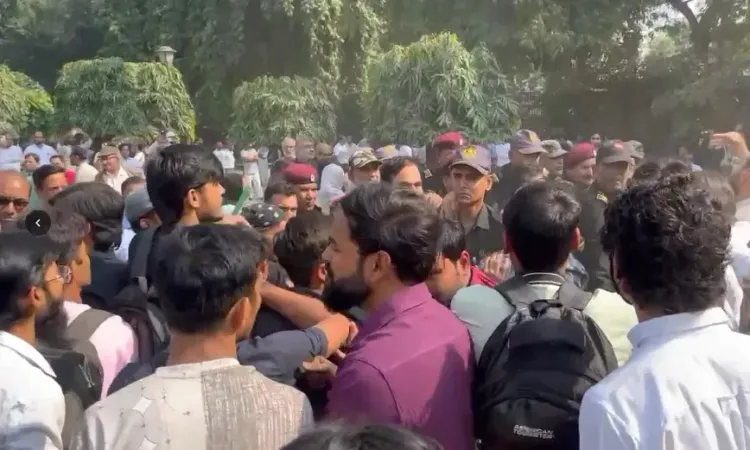
As tensions escalated, student groups alleged that the administration had begun physically removing protesters and their demonstration site. The All India Students' Association (AISA) issued a sharp statement, saying: 'The hunger strikers and the protest site are being attacked. This reveals the most brutal face of the Jamia administration. Furthermore, the University has been shifted to online mode.'
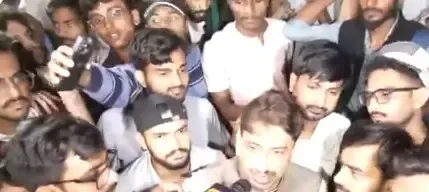
A protesting student, speaking to reporters at the scene, said: 'They are trying to remove our entire protest site and drive us out of here. They are creating a violent atmosphere inside the campus. But we are standing our ground. We are asking for our demands to be met. Just give us the union, please. Look at how they are dragging the students right now.'
The university administration had not publicly responded to the allegations of physical assault at the time of reporting. The situation remains fluid, with no resolution between the two sides in sight.
Background and Broader Context
The JMISU was dissolved in 2006, and the university has not held student union elections since. This places Jamia among several Indian central universities where student body elections remain suspended, a longstanding point of friction between administrations and student communities. The protest, which began on 12 October, has now stretched into nearly two weeks, making it one of the more prolonged campus agitations at a Delhi university in recent memory.
This comes amid a wider national conversation about student rights and administrative accountability at centrally funded institutions. How the university navigates the demands — particularly the JMISU restoration and the fate of the Chief Proctor — will likely determine whether the stand-off de-escalates or intensifies further.
Point of View
Restoration of a student union dissolved nearly 20 years ago, is not the sort of grievance that fades with a change of delivery mode. If the AISA allegations of physical confrontation at the protest site are accurate, the administration has compounded its problem: a disciplinary standoff risks becoming a rights story. Central university administrations across India have long resisted student union elections, but holding that line against a sustained hunger strike on camera is a different calculus. The university's silence on the assault allegations is itself a communication failure.
NationPress
24 Oct 2026
Frequently Asked Questions
Why has Jamia Millia Islamia shifted to online classes?
Jamia Millia Islamia shifted all classes to online mode on 24 October 2026 as a precautionary measure amid ongoing student protests that have entered their 13th day. The university stated the move was aimed at ensuring the safety and academic continuity of enrolled students.
What are the Jamia students protesting about?
Students have been protesting since 12 October 2026, demanding the restoration of the Jamia Millia Islamia Students' Union (JMISU), which was dissolved in 2006. Some students on hunger strike are also demanding the removal of the university's Chief Proctor over an alleged crackdown on demonstrators.
What is the JMISU and why was it dissolved?
The Jamia Millia Islamia Students' Union (JMISU) was the elected student body of the university. It was dissolved in 2006, and the university has not held student union elections since then, which has been a longstanding grievance for students.
What did AISA allege about the protest crackdown?
The All India Students' Association (AISA) alleged that the university administration attacked hunger strikers and began dismantling the protest site on 24 October 2026. It called the reported actions 'the most brutal face of the Jamia administration,' though the university had not publicly responded to these allegations at the time of reporting.
When will physical classes resume at Jamia Millia Islamia?
The university has not given a specific timeline, stating classes will remain online 'until further notice.' Any updates are to be communicated through official university channels.