Gujarat: Jamnagar Officer Cycles to Office, Backs PM Modi's Fuel-Save Call
Synopsis
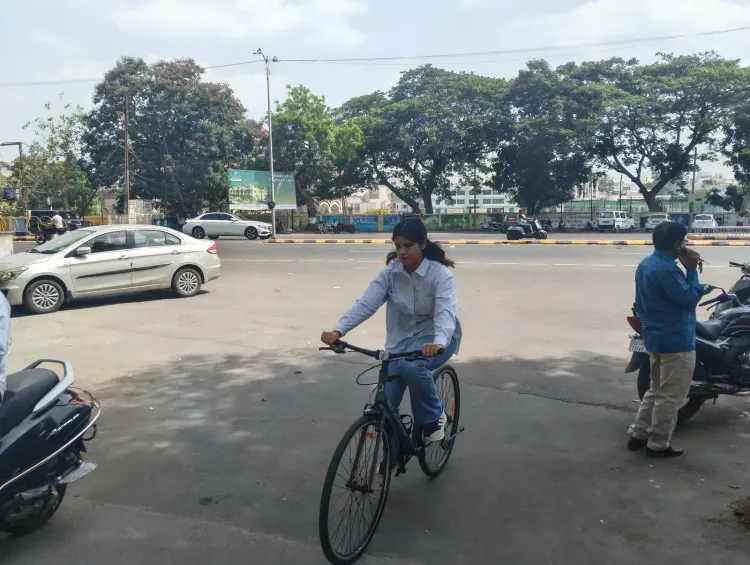
The Chief Minister's Office of Gujarat on 8 June 2026 spotlighted the Jamnagar District Development Officer cycling to work in response to PM Modi's fuel-conservation appeal, framing it as a model for citizen-level energy awareness and fitness.
Key Takeaways
The Chief Minister's Office of Gujarat shared the story on 8 June 2026 via its official X account.
The Jamnagar District Development Officer began cycling to work to honour PM Modi 's national fuel-conservation appeal.
The CMO described the act as an inspiration for ordinary citizens on energy conservation, environment, and fitness.
The initiative aligns with the Fit India Movement (2019) and the broader Swachh Bharat Mission (2014) framework.
Gujarat has a consistent record of publicly demonstrating early adoption of central government sustainability directives.
Whether the example triggers a formal directive for other district officers remains to be seen.
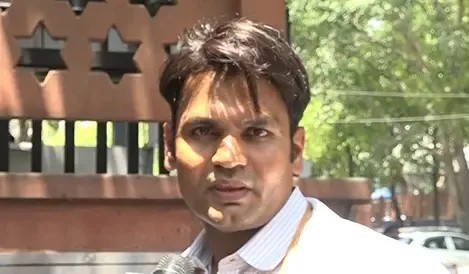
The Chief Minister's Office of Gujarat on Monday, 8 June 2026 highlighted how the Jamnagar District Development Officer has taken to cycling to work, directly answering Prime Minister Narendra Modi's public appeal to citizens to conserve fuel and reduce dependence on fossil energy.
The post, shared in Gujarati, states: 'Maananiya Vadapradhan Shri Narendrabhai Modiye deshvasione karel indhaN bachati ni appeal ne sarthak karata Jamnagar jilla vikas adhikarishi e office java mate cycle no upayog karine ek utkrusht udaharan puru padyu chhe.' — translated: 'Fulfilling the appeal for fuel conservation made by honourable Prime Minister Shri Narendra Modi to the people of the country, the Jamnagar District Development Officer has set an excellent example by using a bicycle to commute to office.'
Context
Prime Minister Modi has repeatedly urged Indian citizens to adopt fuel-saving habits as part of the country's broader energy security and environmental agenda. The Jamnagar officer's gesture is being presented by the state government as a tangible, ground-level response to that appeal. The Chief Minister's Office of Gujarat framed the act as an inspiration for ordinary citizens to become aware of energy conservation, the environment, and personal fitness.
Policy Backdrop
The action sits within a well-established national policy framework. The Fit India Movement, launched in 2019, actively promotes cycling and physical activity as part of daily life, while the Swachh Bharat Mission, initiated in 2014, has long linked behavioural change at the individual level to broader environmental goals. Reducing urban vehicular emissions and cutting India's oil import bill have been consistent priorities across successive central government budgets and policy statements.
Gujarat has positioned itself as a state that moves quickly to implement and publicly demonstrate adherence to central directives. Amplifying this particular example through the Chief Minister's official handle underscores the state's intent to make such behaviour visible and aspirational.
Stakeholders and Impact
Senior district-level officers hold significant symbolic authority in Indian administrative culture. When a District Development Officer — a high-ranking position in the collector-led district administration — publicly adopts low-carbon commuting, it sends a clear signal to subordinate staff, elected representatives, and citizens in the district. The CMO Gujarat post explicitly notes that when senior officials take such positive initiatives, it becomes 'a great inspiration for ordinary citizens to become aware of energy conservation, the environment, and fitness.'
Urban professionals and government employees in Jamnagar and beyond are the immediate audience. If the example cascades, it could contribute modestly to reduced fuel consumption and lower tailpipe emissions in district towns where commuting distances are manageable by bicycle.
What's Next
Attention will now turn to whether other district officers across Gujarat — or in other states — adopt similar commuting practices, and whether any formal directive or campaign emerges to institutionalise cycle commuting among government employees. Any reported data on fuel savings, participation rates, or formal policy follow-through would determine whether this remains a symbolic gesture or evolves into a measurable programme.
Point of View
Infrastructure, or tracked fuel-saving targets. Without that follow-through, the episode remains inspirational communication rather than structural change.
NationPress
24 Oct 2026
Frequently Asked Questions
Why did the Jamnagar District Development Officer start cycling to office?
The officer adopted bicycle commuting to honour Prime Minister Narendra Modi's public appeal urging citizens to conserve fuel and reduce fossil-energy dependence, as highlighted by the Chief Minister's Office of Gujarat on 8 June 2026.
What is the Fit India Movement and how does it relate to this?
The Fit India Movement was launched in 2019 by the central government to promote physical fitness, including cycling, as part of daily life. The Jamnagar officer's cycle commute directly embodies the movement's goals alongside the fuel-conservation message.
What did Gujarat's CMO say about the Jamnagar officer's initiative?
The CMO stated that when senior officials take such positive initiatives, it becomes a great inspiration for ordinary citizens to become aware of energy conservation, the environment, and personal fitness.
Will other Gujarat district officers also be asked to cycle to work?
No formal directive has been announced yet. Whether the example cascades into a state-wide policy for government employees remains to be seen and is being watched closely.
How does this connect to India's energy security goals?
Reducing oil imports and lowering urban vehicular emissions are long-standing national priorities. Individual acts of fuel conservation by senior officials are framed as citizen-level contributions to these broader energy security and environmental objectives.