J&K Assembly: PTR, crop insurance, trauma care — key announcements from Autumn session
Synopsis
In a wide-ranging Autumn session on 24 September, J&K ministers addressed school staffing gaps, revealed that 12.89 lakh farmers are enrolled under PMFBY with ₹221.71 crore in claims, flagged pending payouts due to Aadhaar and banking issues, and announced 17 new critical care blocks and 100 additional ambulances for remote areas — a snapshot of governance priorities in the Union Territory's revived legislature.
Key Takeaways
Education Minister Sakina Itoo confirmed only 10 of 375 government schools in Uri constituency have a PTR above 40 ; rationalisation and ATD-2026 will address gaps.
12,89,917 farmers are covered under PMFBY in J&K; 3,72,134 claims totalling ₹221.71 crore have been registered across the UT.
J&K's horticulture sector supports 35 lakh people , contributes 10% to UT GDP, and generates around ₹12,000 crore annually.
Transport Minister Satish Sharma said a 'One Vehicle, One Officer' car policy is under consideration to cut government vehicle expenditure.
17 Critical Care Blocks are being established under PM-ABHIM ; ambulance fleet expanded to 530 , with 100 more units on the way including all-terrain vehicles.
Jal Shakti Minister Javed Rana said 7 DPRs worth ₹116 crore are ready for repairing 110 irrigation schemes in Sonawari, earmarked for FY 2027-28 .
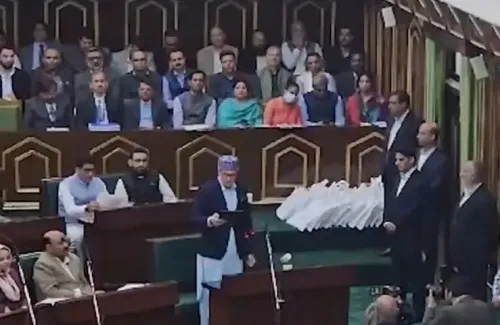
The Jammu and Kashmir Legislative Assembly's Autumn session on Thursday, 24 September 2026 saw ministers address a wide range of governance concerns — from school staffing ratios and farmer crop insurance to government vehicle rationalisation and critical care infrastructure in remote areas. The session underscored the Union Territory administration's focus on decentralising public services across difficult terrain.
School Staffing and Pupil-Teacher Ratio
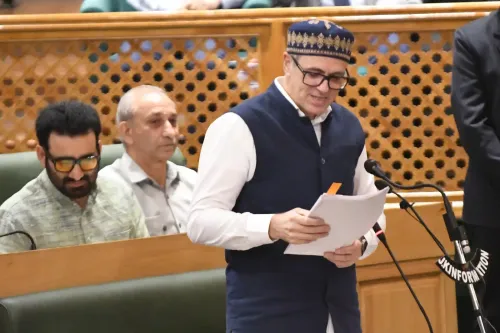
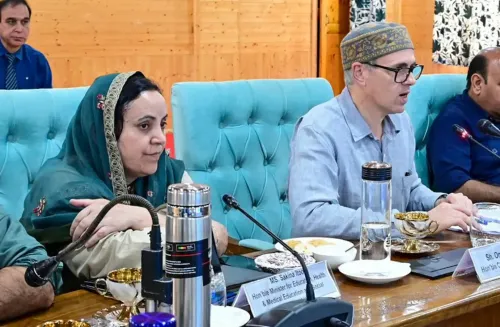
Education and Health Minister Sakina Itoo told the Assembly that the issue of elevated Pupil-Teacher Ratio (PTR) in government schools is being addressed through an ongoing rationalisation process, which involves deploying additional teachers to understaffed institutions. Responding to a question raised by MLA Sajjad Shafi from Uri, the Minister confirmed that only 10 out of 375 government schools in Uri constituency have a PTR exceeding 40.
The Minister noted that applications from eligible teachers have already been invited under the Annual Transfer Drive (ATD)-2026, with staffing needs of high-PTR schools to be given priority consideration. Additionally, 22 Laboratory Assistants have recently been promoted to teaching positions, of whom eight have been posted to Uri. Five Masters have also been transferred to the constituency to ease pupil-teacher loads at specific schools.
Horticulture, Crop Insurance and Farmer Support
Agriculture Production Minister Javaid Dar told the House that J&K's horticulture sector supports the livelihoods of nearly 35 lakh people, comprising approximately 7.5 lakh families, and contributes around 10 per cent to the Union Territory's GDP, generating an estimated annual income of around ₹12,000 crore. He noted that one hectare of orchard area generates roughly 400 man-days of employment annually.
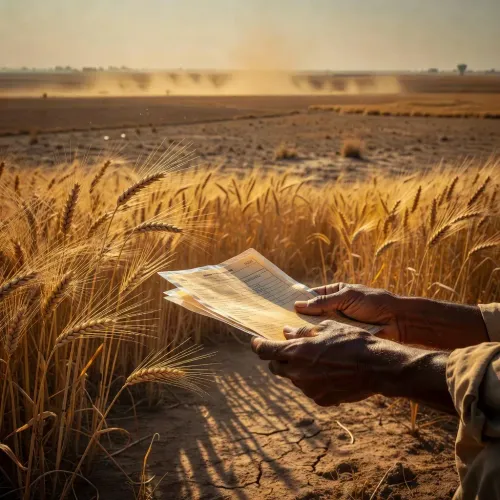
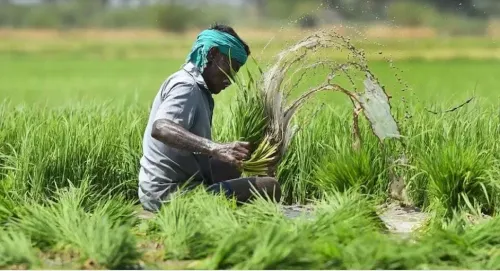
On crop insurance, the Minister said the Pradhan Mantri Fasal Bima Yojana (PMFBY) is currently operational across all 20 districts of Jammu and Kashmir, covering 6,86,741.37 hectares and benefiting 12,89,917 farmers. A total of 3,72,134 claims amounting to approximately ₹221.71 crore have been registered, with losses linked to hailstorms, floods, and heavy rains.
Addressing pending claims, Dar attributed delays to issues such as Aadhaar non-verification, closed bank accounts, and accounts blocked or frozen. He said a special campaign has been launched to resolve failed payment transactions, with around 60 per cent of affected farmers already contacted and documents being collected for verification. The Minister also noted that up to 13.985 lakh farmer families are eligible for PMFBY benefits, with no cap on enrolment subject to prescribed guidelines.
On logistics, Dar said a dedicated Control Room has been set up at Qazigund for real-time traffic monitoring during the peak fruit season. Mughal Road is being used as an alternative to NH-44, and railway parcel and freight services from Anantnag and Budgam to Delhi have been facilitated. Farmers also access subsidies of more than 60 per cent under the Holistic Agriculture Development Programme (HADP).
Government Vehicle Policy: 'One Vehicle, One Officer'
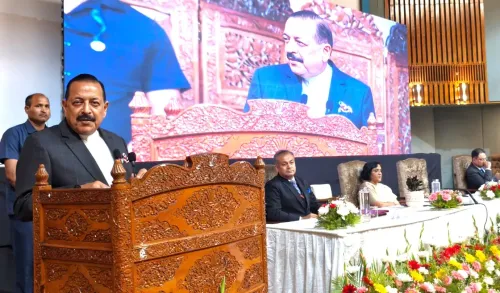
Transport Minister Satish Sharma informed the Assembly that a Revised Car Policy proposing the principle of 'One Vehicle, One Officer' is currently under consideration. Responding to a query from MLA Ranbir Singh Pathania, Sharma said the policy aims to rationalise government vehicles, optimise utilisation, and reduce expenditure. Specific exceptions may be permitted for security requirements, field duties, and operational exigencies. The policy will be implemented across concerned departments, PSUs, boards, and autonomous bodies upon approval.
Irrigation Schemes in Sonawari
Jal Shakti Minister Javed Rana told the Assembly that 110 irrigation schemes in Sonawari constituency fall under the department's purview. Responding to MLA Hilal Akbar Lone, Rana said 7 detailed project reports have been prepared to repair, restore, or upgrade old and non-functional irrigation schemes at an estimated total cost of ₹116 crore, earmarked as part of the project shelf for FY 2027-28.
Trauma Care and Healthcare in Remote Areas
Minister Sakina Itoo, responding in her capacity as Health and Medical Education Minister to a query raised by MLA Sunil Kumar Sharma on healthcare access in the Padder-Nagseni constituency, said the J&K government is progressively expanding emergency, trauma, and critical-care services across remote and hilly areas.
Under the Pradhan Mantri Ayushman Bharat Health Infrastructure Mission (PM-ABHIM), 17 Critical Care Blocks are being established — comprising 15 blocks of 50 beds each and two blocks of 100 beds each — to decentralise specialised services and reduce the need for patients in far-flung areas to travel long distances for care. The ambulance fleet under the 102/108 services has been expanded to 530, following the addition of 44 Advanced Life Support (ALS) ambulances. A further 100 ambulances — including 75 critical-care units and 25 four-wheel-drive all-terrain vehicles — are being added to strengthen evacuation in mountainous terrain.
As the Autumn session continues, the Assembly proceedings signal a governance push across health, agriculture, education, and infrastructure — reflecting priorities in a Union Territory that has only recently resumed elected legislative functioning.
Point of View
The admission that pending claims are stuck on Aadhaar mismatches and frozen bank accounts is significant — these are structural failures in digital financial inclusion that predate the policy itself. On education, a PTR above 40 in even 10 schools in a single constituency points to uneven progress in teacher deployment across the UT. The 'One Vehicle, One Officer' proposal, meanwhile, tests whether the administration can reform its own entitlement culture before legislating frugality elsewhere. The healthcare announcements are the most substantive: 17 critical care blocks and 100 additional ambulances could meaningfully reduce mortality in remote areas — but delivery timelines and budgetary certainty will determine whether the intent translates into access.
NationPress
24 Sept 2026
Frequently Asked Questions
What is the Pupil-Teacher Ratio situation in J&K government schools?
According to Education Minister Sakina Itoo, only 10 out of 375 government schools in Uri constituency have a Pupil-Teacher Ratio (PTR) above 40. The government is addressing this through the ongoing rationalisation process and the Annual Transfer Drive (ATD)-2026, which will prioritise high-PTR schools when deploying teachers.
How many J&K farmers are covered under PMFBY, and how much has been paid out?
A total of 12,89,917 farmers covering 6,86,741.37 hectares are enrolled under the Pradhan Mantri Fasal Bima Yojana (PMFBY) in Jammu and Kashmir. Some 3,72,134 claims amounting to approximately ₹221.71 crore have been registered, though pending settlements are being held up by Aadhaar non-verification and banking issues.
What is the 'One Vehicle, One Officer' policy proposed for J&K?
The Revised Car Policy, currently under consideration by the J&K government, proposes that each officer be entitled to only one government vehicle, aimed at rationalising the fleet and reducing expenditure. Transport Minister Satish Sharma said exceptions may be allowed for security, field duties, or operational needs, and the policy will apply to departments, PSUs, boards, and autonomous bodies upon approval.
What critical care and ambulance infrastructure is being added in J&K?
Under PM-ABHIM, 17 Critical Care Blocks are being set up across J&K — 15 blocks of 50 beds each and two blocks of 100 beds each. The 102/108 ambulance fleet has grown to 530 units with 44 new ALS ambulances, and 100 more are being added including 75 critical-care units and 25 four-wheel-drive all-terrain ambulances for remote and mountainous areas.
How significant is J&K's horticulture sector to the local economy?
J&K's horticulture sector supports nearly 35 lakh people across about 7.5 lakh families and contributes approximately 10% to the Union Territory's GDP, generating an estimated ₹12,000 crore in annual income. Each hectare of orchard generates roughly 400 man-days of employment annually, according to Agriculture Production Minister Javaid Dar.