J&K heritage preservation needs institutional effort, say Jammu experts
Synopsis
At Jammu's World Heritage Week 2026, experts and the head of the J&K Archives and Archaeology Department made a pointed call: preserving the region's monuments, archaeological sites, and art forms cannot rest on goodwill alone — it requires structured institutional commitment, documentation, and genuine public participation to keep the region's cultural identity intact.
Key Takeaways
Experts at Kala Kendra, Jammu on 20 November 2026 called for sustained institutional effort to preserve J&K's tangible cultural heritage .
Hazarika , Director, Archives, Archaeology and Museums, J&K, committed the department to systematic documentation, conservation, restoration and promotion of the region's heritage.
The event was part of World Heritage Week 2026 , observed from 19 to 25 November 2026 .
Speakers highlighted heritage assets including historic monuments, archaeological remains, traditional art forms , and material culture as links between the past and present.
Engaging the younger generation through outreach and academic programmes was identified as a priority for long-term heritage protection.
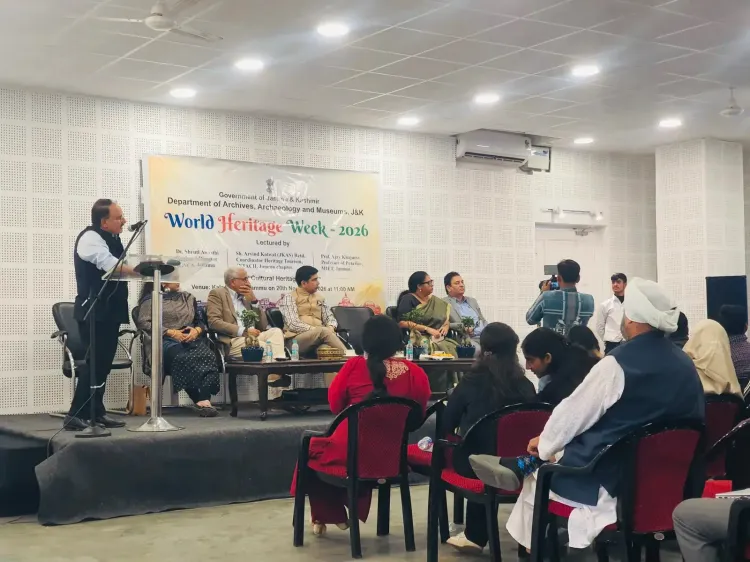
Experts gathered at Kala Kendra, Bikram Chowk, Jammu, on 20 November 2026 called for sustained institutional commitment, broad public awareness, and active stakeholder participation to safeguard the tangible cultural heritage of Jammu and Kashmir. The call came on the second day of the week-long World Heritage Week 2026 celebrations organised by the Department of Archives, Archaeology and Museums, J&K.
What the Event Covered
The department organised an insightful lecture series centred on the theme 'Tangible Cultural Heritage of Jammu and Kashmir' as part of the World Heritage Week, being observed from 19 to 25 November 2026. Eminent scholars, heritage enthusiasts, and domain experts shared their perspectives on the region's historical significance, architectural legacy, and artistic traditions. The forum also underscored the urgent need for systematic conservation and promotion of these assets.
Speakers noted that tangible heritage — encompassing historic monuments, archaeological remains, traditional art forms, and material culture — forms an inseparable bridge between the past and the present, and that weakening this bridge risks eroding the collective memory of the region.
What the Director Said
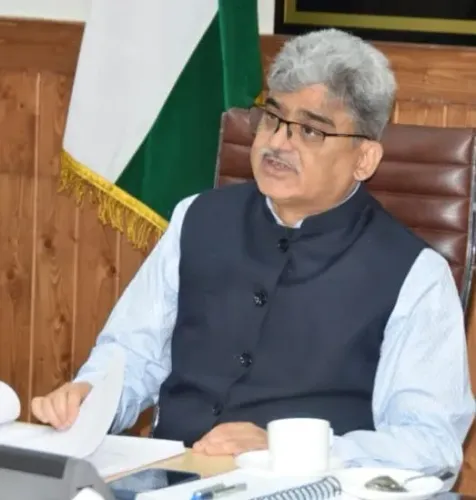
Pranjal J. Hazarika, Director, Archives, Archaeology and Museums, J&K, addressed participants and emphasised that Jammu and Kashmir possesses an exceptionally rich and diverse cultural heritage. He described it as 'not merely a reflection of its glorious past but also an important foundation of its cultural identity and collective memory.'
Hazarika stressed that preservation demands sustained institutional effort alongside public awareness and the active involvement of all stakeholders. He added that the department remains committed to the systematic documentation, conservation, restoration and promotion of both tangible and intangible heritage across the region.
Engaging the Younger Generation
A recurring theme at the event was the need to connect younger citizens with their historical roots. Speakers argued that academic engagements and public outreach programmes of this kind provide a critical opportunity to inspire students and youth to take an active role in protecting Jammu and Kashmir's cultural legacy.
The lectures served as an enriching platform for intellectual exchange, sensitising participants to the importance of heritage conservation and community participation in institutional safeguarding efforts.
Week-Long Programme Ahead
The World Heritage Week celebrations running through 25 November 2026 include a series of exhibitions, heritage walks, awareness drives, site visits, and cultural programmes. These activities are aimed at promoting heritage consciousness among students, scholars, and the general public across Jammu and Kashmir. The department's structured programme reflects a broader push to institutionalise heritage advocacy beyond individual events.
Point of View
But the institutional framing at this year's World Heritage Week signals a subtle shift — from awareness rhetoric to accountability language around documentation and restoration. The real test is whether the department's stated commitment to 'systematic documentation' translates into funded, time-bound projects or remains a conference-circuit aspiration. J&K's heritage landscape, which spans Buddhist, Hindu, Islamic, and Dogra architectural traditions, is unusually diverse and unusually vulnerable — to neglect, climate stress, and low visitor infrastructure. Without a publicly accessible inventory and a legislated maintenance mandate, well-attended lecture series risk being the whole of the effort rather than the start of it.
NationPress
20 Nov 2026
Frequently Asked Questions
What is World Heritage Week 2026 in Jammu?
World Heritage Week 2026 is a week-long initiative observed from 19 to 25 November 2026, organised by the Department of Archives, Archaeology and Museums, J&K. It includes exhibitions, heritage walks, lectures, site visits, and cultural programmes aimed at promoting heritage awareness among students, scholars, and the public.
What did experts say about J&K heritage preservation?
Experts at the Jammu event said that preserving Jammu and Kashmir's tangible cultural heritage requires sustained institutional efforts, public awareness, and active participation from all stakeholders. They also emphasised connecting the younger generation with the region's historical roots.
Who is Pranjal J. Hazarika and what did he say?
Pranjal J. Hazarika is the Director of Archives, Archaeology and Museums, J&K. He stated that J&K's heritage is both a reflection of its glorious past and a foundation of its cultural identity, and committed the department to systematic documentation, conservation, restoration, and promotion of the region's heritage.
What types of heritage were discussed at the Jammu event?
Speakers covered tangible heritage including historic monuments, architectural structures, archaeological remains, traditional art forms, and material culture. They described these as an inseparable link between the past and the present for the people of Jammu and Kashmir.
Why does heritage preservation matter for Jammu and Kashmir?
Jammu and Kashmir holds an exceptionally diverse cultural heritage spanning multiple architectural and artistic traditions. Experts argue that preserving this heritage safeguards the region's cultural identity and collective memory, particularly for future generations who must be inspired to take an active role in conservation efforts.