J&K Private Universities Rules 2026: 25% seats, jobs reserved for locals
Synopsis
Jammu and Kashmir has notified the Private Universities Rules, 2026 — mandating 25% reservation in seats and jobs for UT domiciles, barring capitation fees, and opening the region to national and foreign institutions for the first time under a structured legal framework. The move could keep thousands of J&K students from relocating to metros, cutting family costs and building local talent pipelines.
Key Takeaways
J&K government notified the Private Universities Rules, 2026 on 7 November 2026 .
25 per cent of seats in private universities reserved for J&K domiciles ; same quota applies to teaching and non-teaching jobs.
Institutions must offer merit-cum-means scholarships to at least 10 per cent of student intake.
All private universities must obtain accreditation within five years ; capitation fees are prohibited.
Regulatory oversight vested in the new J&K Private Universities Regulatory Authority .
Rules follow Lt Governor Manoj Sinha's assent to the J&K Private Universities Bill, 2026 .
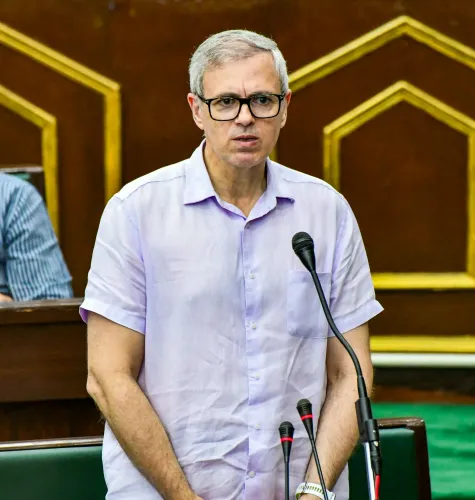
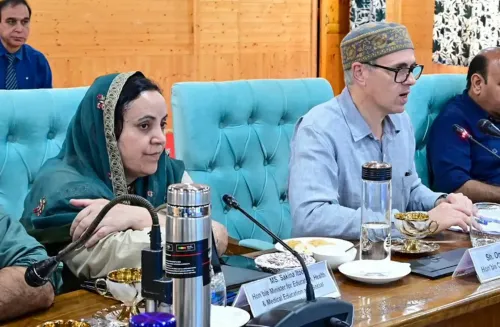
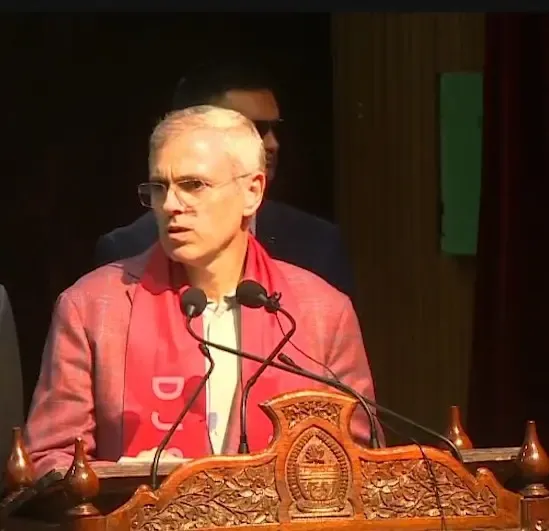
Jammu and Kashmir Chief Minister Omar Abdullah on Saturday, 7 November 2026, congratulated Education Minister Shamima Firdous following the official notification of the Jammu and Kashmir Private Universities Rules, 2026 — a landmark policy move that reserves 25 per cent of seats and jobs in private universities for UT domiciles and opens the region to national and international educational institutions.
What the Rules Mandate
Under the new framework, every private university operating in Jammu and Kashmir must reserve at least 25 per cent of student seats for candidates domiciled in the Union Territory. An identical 25 per cent reservation applies to both teaching and non-teaching employment positions, creating structured opportunities for local youth in an emerging higher-education ecosystem.
Institutions will also be required to offer merit-cum-means scholarships to no less than 10 per cent of their annual student intake, ensuring that economically weaker students are not left behind as private universities expand their footprint in the region.
Regulatory Architecture and Safeguards
Private universities in J&K will function under the oversight of the newly constituted Jammu and Kashmir Private Universities Regulatory Authority. The rules explicitly prohibit capitation fees, mandate fee regulation mechanisms, and require all institutions to obtain accreditation within five years of establishment — a provision aimed at preventing the proliferation of under-performing institutions.
The notification follows Lieutenant Governor Manoj Sinha's assent to the Jammu and Kashmir Private Universities Bill, 2026, giving the accompanying rules formal legal force. The Act and rules together permit the entry of both private and foreign higher educational institutions into the UT for the first time under a structured legal regime.
Why It Matters for Students and Families
One of the central objectives of the policy is to stem the outflow of J&K students to metros such as Delhi, Punjab, and Bengaluru for specialised courses. By enabling local access to quality programmes in STEM, medicine, law, business studies, and liberal arts, the government expects to substantially reduce the financial burden of relocation and living costs that families currently bear.
Chief Minister Abdullah noted that the rules would attract institutional investment and improve access to quality higher education, with a focus on promoting excellence in teaching, research, and innovation.
Broader Economic and Academic Impact
The government anticipates that the entry of reputed national and international institutions will stimulate economic growth, generate employment, and encourage academic competition. Officials also expect the development to pressure existing public universities in J&K to upgrade their curricula, infrastructure, and technology — a secondary reform dividend that could benefit a far wider student base.
Notably, this policy comes at a time when J&K is actively seeking investment across sectors following its transition to Union Territory status, and the education sector is increasingly seen as a driver of long-term human capital development in the region.
The establishment of a multidisciplinary academic environment, combined with mandatory scholarship provisions and regulatory safeguards, positions the Private Universities Rules, 2026 as one of the most substantive higher-education reforms the UT has undertaken in recent years. Implementation timelines and the first round of institutional approvals are expected to be announced in the coming weeks.
Point of View
Without commensurate infrastructure and administrative efficiency, can deter the very investors they are meant to co-opt. The scholarship obligation for 10 per cent of intake is a meaningful equity safeguard, but five years is a long runway before accreditation is required — enough time for substandard institutions to take root. J&K's higher education system will truly benefit only if the new Regulatory Authority is adequately staffed and genuinely independent from political pressure.
NationPress
7 Nov 2026
Frequently Asked Questions
What are the J&K Private Universities Rules, 2026?
The J&K Private Universities Rules, 2026 are regulations notified by the Jammu and Kashmir government that govern the establishment and operation of private universities in the Union Territory. They mandate 25 per cent reservation in seats and jobs for UT domiciles, prohibit capitation fees, require accreditation within five years, and open J&K to national and foreign institutions.
Who benefits from the 25 per cent reservation in J&K private universities?
Students domiciled in Jammu and Kashmir will have 25 per cent of seats in every private university reserved for them. Additionally, local residents will occupy at least 25 per cent of teaching and non-teaching positions, directly benefiting J&K youth seeking education and employment.
What safeguards are built into the new private university framework?
The framework prohibits capitation fees, mandates fee regulation, requires all institutions to gain accreditation within five years, and obliges universities to provide merit-cum-means scholarships to at least 10 per cent of their student intake. Oversight rests with the J&K Private Universities Regulatory Authority.
Why is the government allowing private and foreign universities into J&K now?
The government aims to reduce the outflow of J&K students to cities like Delhi and Bengaluru, attract institutional investment, generate employment, and stimulate economic growth. Officials also expect increased competition to push existing public universities to upgrade their curricula and infrastructure.
What is the legal basis for the new private university rules?
The rules derive their legal authority from the Jammu and Kashmir Private Universities Bill, 2026, which received the assent of Lieutenant Governor Manoj Sinha before the rules were formally notified. The Act and rules together create the first comprehensive legal regime for private and foreign higher educational institutions in J&K.