J&K Assembly Speaker orders 'One Officer, One Car' policy notification in 15 days
Synopsis
J&K Assembly Speaker Abdul Rahim Rather has put the government on a 15-day clock to notify the 'One Officer, One Car' policy — a rule that has existed on paper for nearly five years while senior bureaucrats reportedly kept drawing multiple government vehicles. With annual maintenance costs of ₹3.37 lakh per vehicle and some officers consuming triple the standard fuel allowance, the fiscal stakes are real and the Speaker's patience has run out.
Key Takeaways
J&K Assembly Speaker Abdul Rahim Rather directed the government to notify the revised 'One Officer, One Car' policy within 15 days on 30 September 2026 .
The directive was addressed to Transport Minister Satish Sharma during a Legislative Assembly discussion in Srinagar .
The Speaker noted that nearly five years had passed without official notification, calling the delay a misuse of public resources.
Under the policy, senior officers holding multiple charges can retain only one official staff car ; all surplus vehicles must be placed in safe custody.
Maintaining a single government vehicle costs approximately ₹3.37 lakh annually ; some officers were consuming up to 750 litres of fuel monthly against a standard 250-litre allowance.
The policy also encourages departments to lease electric vehicles to modernise the official fleet.
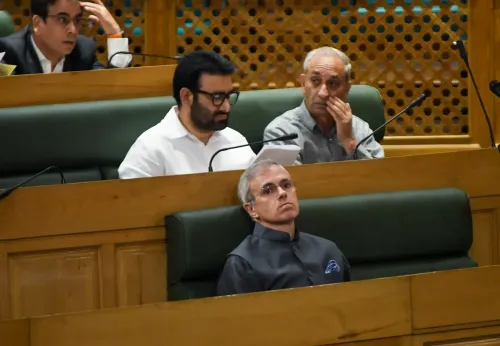
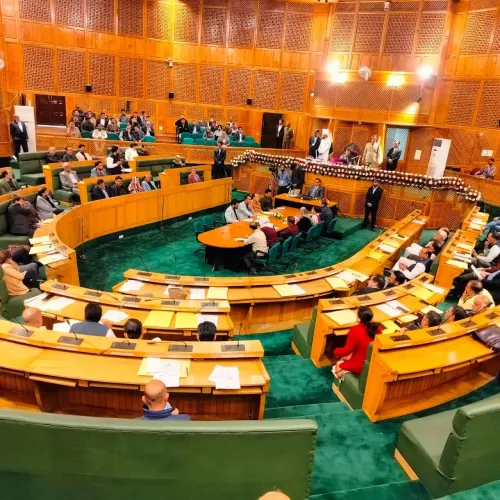
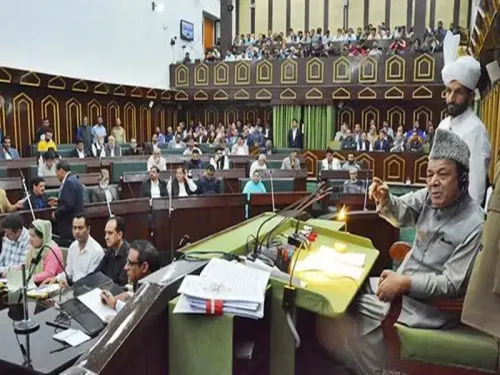
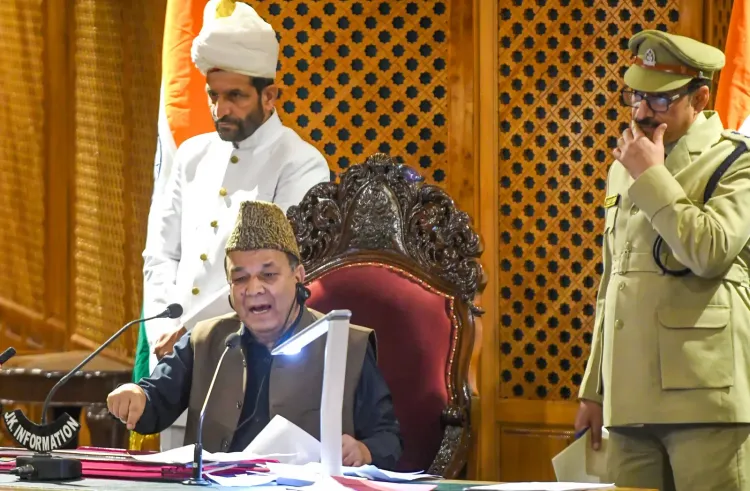
Jammu and Kashmir Legislative Assembly Speaker Abdul Rahim Rather on Wednesday, 30 September 2026, directed the state government to formally notify the revised 'One Officer, One Car' policy within 15 days. The directive came during a floor discussion in the J&K Legislative Assembly in Srinagar on the implementation status of the vehicle policy, which has remained unnotified despite being framed years ago.
What Prompted the Speaker's Directive
Speaker Rather questioned the prolonged delay in notifying the policy, stressing that the matter directly concerned the use of public assets and could not remain pending any further. He specifically directed Transport Minister Satish Sharma to ensure compliance within the stipulated fortnight.
Notably, Rather also questioned why nearly five years had elapsed without any official action, asserting that such inaction amounted to the ongoing misuse of public resources. The rebuke underscores a pattern of bureaucratic delay in implementing fiscal discipline measures in government fleet management.
What the 'One Officer, One Car' Policy Entails
The revised policy was originally introduced by the Ministry of Finance's Department of Expenditure to curb the practice of senior bureaucrats accumulating multiple government vehicles. Under its key provisions, an eligible officer is entitled to only one official staff car, regardless of whether they hold additional charges in other departments, ministries, Public Sector Undertakings (PSUs), or autonomous bodies.
Before this mandate, a single senior official holding temporary or additional charges across multiple departments could operate two or three active government vehicles simultaneously. According to financial assessments, maintaining and servicing a single government vehicle costs approximately ₹3.37 lakh annually. Officers with multiple vehicles were also reportedly exceeding the standard 250-litre monthly fuel allowance, consuming up to 750 litres across their fleet.
Three Core Pillars of the Policy
The framework, formalised through an Official Memorandum, rests on three main pillars. First, a strict single-vehicle cap: an officer already using an official car for their primary post cannot be assigned an additional vehicle upon taking on an extra charge elsewhere. Second, a ban on PSU fleet misuse: central government officials are barred from keeping or using vehicles belonging to PSUs or quasi-government bodies, except during authorised official tours. Third, mandatory storage of surplus vehicles: departments must place all extra or unutilised vehicles in safe custody to prevent unofficial use.
The policy also includes a green shift component, actively encouraging departments to lease electric vehicles as replacements for ageing fleet units — aligning fiscal discipline with environmental objectives.
Fiscal and Administrative Impact
The policy is designed to reduce wasteful expenditure on fuel and vehicle maintenance, prevent resource misuse, and strengthen fiscal discipline across the government apparatus. Bringing Jammu and Kashmir into compliance would add another layer of accountability to a governance framework already under scrutiny following the restoration of statehood.
The Speaker's 15-day deadline now places the onus firmly on Transport Minister Sharma to ensure that what has been a paper policy is converted into an enforceable notification — a move that could have cascading implications for fleet rationalisation across J&K's administrative machinery.
Point of View
One Car' rule is not contentious; it is a straightforward fiscal hygiene measure. Yet its non-notification allowed a quietly costly status quo — multiple vehicles, inflated fuel drawals — to persist. The Speaker's intervention is a public accountability moment, but the real test will be whether the Transport Ministry follows through or whether the next deadline similarly passes without action. Governance watchers should note that compliance here is measurable: either a gazette notification appears within 15 days or it does not.
NationPress
30 Sept 2026
Frequently Asked Questions
What is the 'One Officer, One Car' policy in Jammu and Kashmir?
The 'One Officer, One Car' policy, originally framed by the Ministry of Finance's Department of Expenditure, restricts senior government officials to a single official staff car regardless of how many departments or PSUs they oversee. J&K Assembly Speaker Abdul Rahim Rather on 30 September 2026 directed the state government to formally notify this revised policy within 15 days.
Why did the J&K Assembly Speaker intervene on the car policy?
Speaker Rather intervened because the revised vehicle policy had remained unnotified for nearly five years, despite being framed to curb the misuse of public assets. He argued that the delay itself constituted ongoing misuse of government resources and directed Transport Minister Satish Sharma to ensure notification within a fortnight.
How much does the government spend on each official vehicle?
According to financial assessments cited during the Assembly discussion, maintaining and servicing a single government vehicle costs approximately ₹3.37 lakh annually. Before the policy, officers holding multiple charges were reportedly consuming up to 750 litres of fuel per month — three times the standard 250-litre monthly allowance.
What happens to surplus government vehicles under this policy?
Under the revised policy, departments are required to place all extra or unutilised vehicles in safe custody to prevent unofficial or personal use. Central government officials are also barred from using vehicles belonging to PSUs or autonomous bodies except when on an authorised official tour.
Does the policy have an environmental dimension?
Yes. Alongside fleet rationalisation, the policy framework actively encourages government departments to lease electric vehicles to replace older units in the official fleet, aligning fiscal discipline with a broader green transition objective.