Unpredictable Weather Forecast for J&K: Rain and Snow Expected
Synopsis
The Meteorological Department warns of erratic weather in Jammu and Kashmir, with significant rain and snow expected from April 3 to 5. This unpredictable pattern raises concerns for farmers and travelers alike.
Key Takeaways
Erratic weather forecast in Jammu and Kashmir from April 3 to 5.
Peak weather activity expected on April 4 .
Farmers advised to halt operations due to rain and winds.
Possible landslides on the Jammu-Srinagar National Highway .
Temperatures are significantly lower during this period.
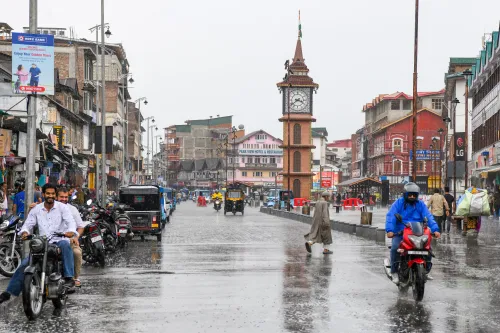
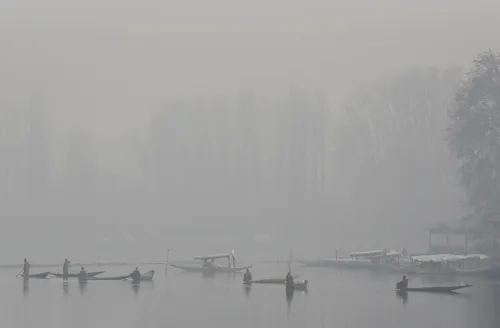
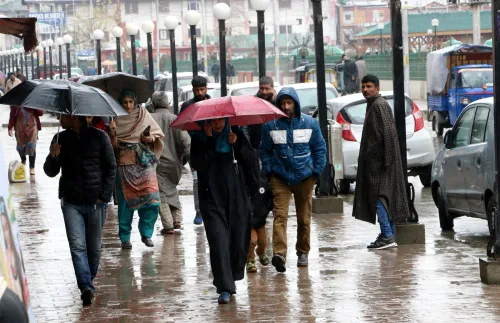
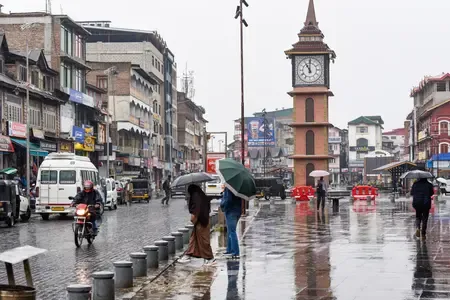
Srinagar, April 3 (NationPress) The Meteorological (MeT) Department has issued a forecast indicating that Jammu and Kashmir will experience unpredictable weather conditions from Friday through Sunday, with the most intense activity anticipated on April 4.
A statement released by the local MeT Department noted, "J&K is set to see erratic weather patterns, featuring light to moderate rain and snow across various regions from April 3 to April 5, 2026, with peak intensity expected on April 4."
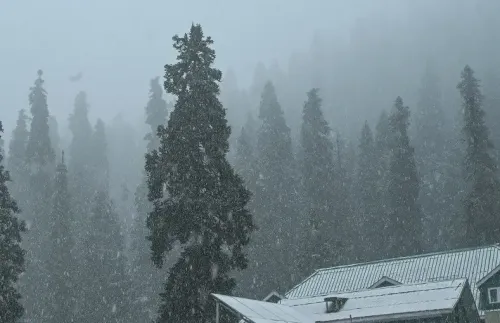
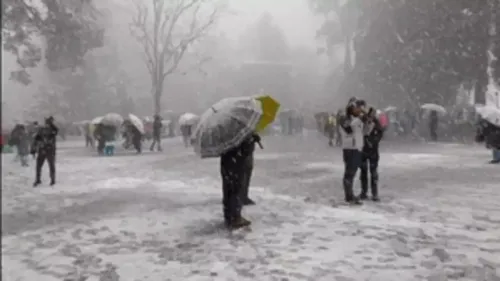
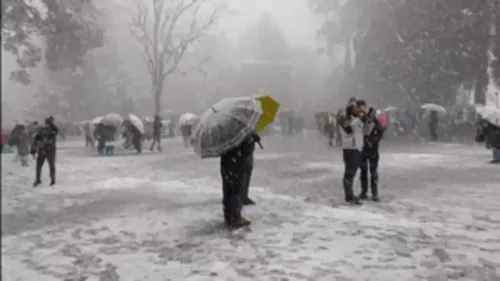
On Friday, the region will be under generally cloudy skies, with intermittent light to moderate rain and snow in higher altitudes, accompanied by thunder, hail, and gusty winds reaching 30-50 km/h at scattered locations, particularly in the afternoon hours.
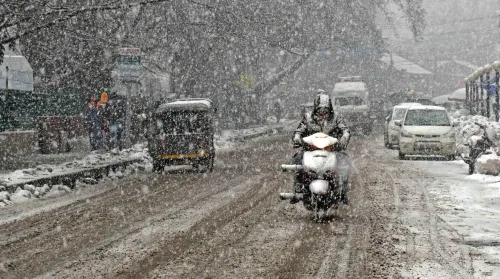
The weather bureau confirmed that the wet spell will persist on April 4, featuring a high likelihood of moderate rain and snow throughout the Valley and the Jammu division, with this day marked as the peak of the weather activity.
By April 5, conditions are expected to improve slightly, transitioning to partly cloudy skies with only isolated light rain.
The MeT office has issued warnings regarding the potential for landslides, mudslides, and falling stones in susceptible areas, especially along the Jammu-Srinagar National Highway.
Farmers and orchard owners are advised to halt spraying and other agricultural activities during April 3-4 due to the forecasted rain and strong winds. A notable decrease in daytime temperatures is also anticipated during this period. The weather is expected to remain generally unsettled, with another possible spell of rain or snow arriving between April 7-9.
Current temperatures recorded are 11.2 degrees Celsius in Srinagar, 4 degrees in Gulmarg, and 6.2 degrees in Pahalgam.
The minimum temperatures reported in Jammu city were 19.8 degrees Celsius, followed by 19 degrees in Katra, 13.5 degrees in Batote, 12.1 degrees in Banihal, and 10 degrees in Bhaderwah on Friday.
During the winter season, Jammu and Kashmir experienced a deficit in both rainfall and snowfall, raising concerns about the availability of water for drinking and irrigation purposes. However, February and March saw adequate rainfall in the plains and light to moderate snowfall in the higher altitudes.
This precipitation has led to a rise in water levels in local rivers, streams, lakes, springs, and wells.
Point of View
It's vital to inform the public about the unpredictable weather patterns affecting Jammu and Kashmir. This forecast poses potential challenges for agriculture and travel, making it essential to remain vigilant and prepared.
NationPress
28 Jul 2026
Frequently Asked Questions
What is the expected weather in Jammu and Kashmir?
Jammu and Kashmir is forecasted to experience erratic weather with light to moderate rain and snow from April 3 to 5, 2026.
When will the peak of the weather activity occur?
The peak weather activity is expected on April 4.
How should farmers prepare for the weather forecast?
Farmers are advised to suspend spraying and other farming operations during April 3-4 due to anticipated rain and high winds.
What precautions should travelers take?
Travelers should be cautious of potential landslides and mudslides, especially along the Jammu-Srinagar National Highway.
What temperatures are being recorded in the region?
Current temperatures include 11.2 degrees Celsius in Srinagar, 4 degrees in Gulmarg, and 6.2 degrees in Pahalgam.