Weather Warning: Anticipated Rain and Snowfall in J&K Starting Tomorrow
Synopsis
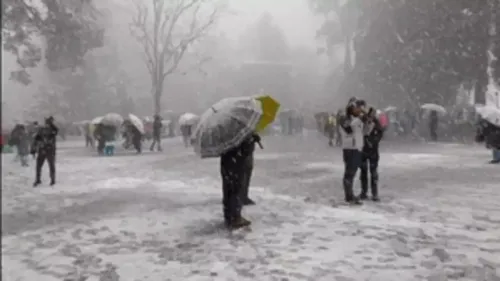
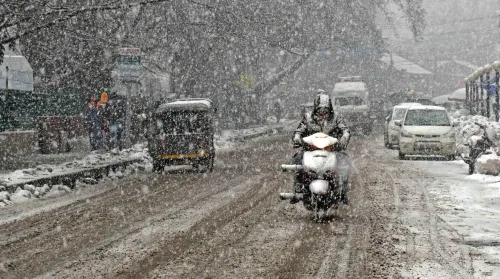
A weather alert has been issued for Jammu and Kashmir, predicting light to moderate rain and snowfall in higher altitudes starting tomorrow. Authorities warn of potential hazards including flash floods and landslides. Stay informed to ensure safety and plan accordingly.
Key Takeaways
Light to moderate rain and snowfall expected in J&K from April 7 to April 8.
Warnings issued for potential thunderstorms and flash floods.
Farmers advised to halt operations amid adverse weather.
Temperatures recorded range from 6.4°C to -1.1°C.
Concerns about water shortages due to below-normal winter precipitation.
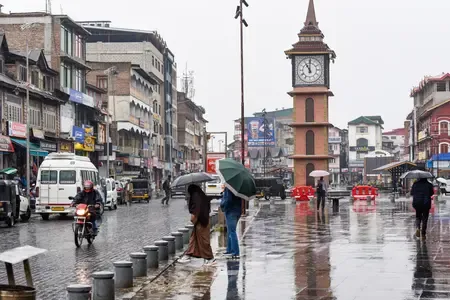
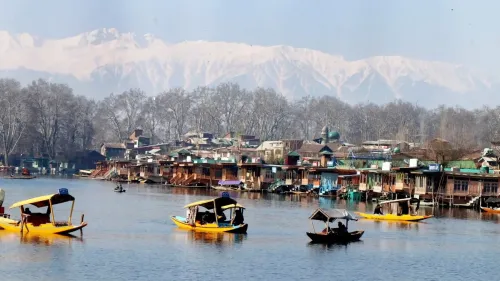
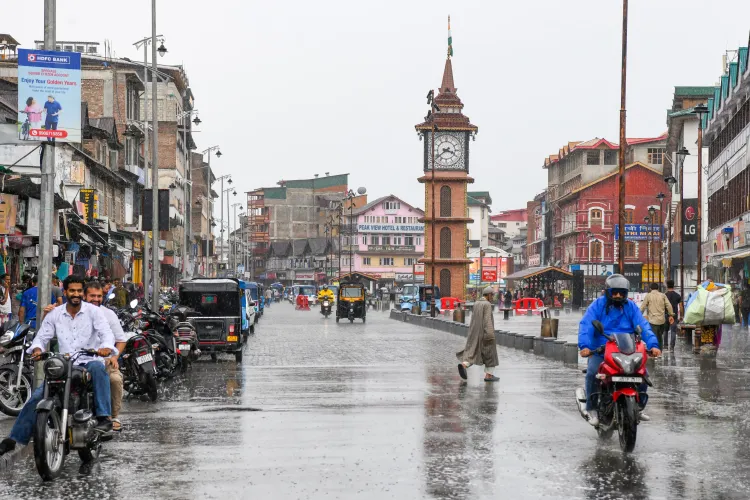
Srinagar, April 6 (NationPress) The weather in Jammu and Kashmir was predominantly overcast on Monday, as the local Meteorological (MeT) Department predicted that light to moderate rainfall and snowfall (in elevated areas) would commence at various locations starting Tuesday.
A statement from the MeT Department indicated that the weather in the union territory is expected to remain partly cloudy throughout Monday, with light to moderate rain and snowfall (in higher altitudes) anticipated from the morning of April 7 until the evening of April 8.
The forecast further suggested that certain areas in the plains might experience moderate to heavy rain, alongside light to moderate snow in elevated regions.
The outlook for April 9 and 10 predicts a brief occurrence of light rain and snowfall (in higher altitudes) at scattered locations.
An advisory released by the MeT office warns of potential thunderstorms, hail, and gusty winds (ranging from 40 to 50 KMPH) in some areas during April 7 and April 8.
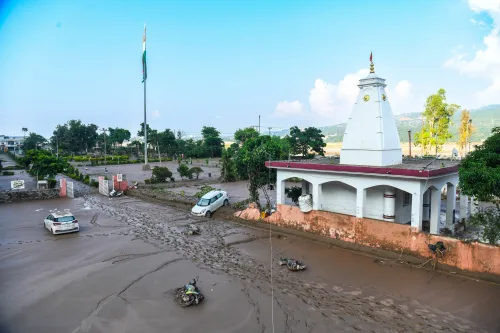
“Intense downpours in select areas could result in flash floods and landslides in vulnerable regions, as well as waterlogging in lower areas. Farmers are urged to halt all agricultural activities, and travelers should plan their journeys accordingly,” the advisory stated.
The minimum temperature recorded on Monday was 6.4 degrees Celsius in Srinagar, -1.1 degrees Celsius in Gulmarg, and 3.4 degrees Celsius in Pahalgam.
In Jammu, the minimum temperatures were 15.7 degrees in Jammu city, 13.4 in Katra, 6.1 in Batote, 5.4 in Banihal, and 4 degrees in Bhaderwah.
This winter, Jammu and Kashmir experienced below-average rainfall and snowfall, raising concerns among farmers, orchardists, and the general public about potential water shortages for irrigation and drinking during the summer months.
February saw lower than average snowfall, while March provided sufficient precipitation, and April has started off with wet conditions in the region. This has caused water levels in rivers, streams, lakes, springs, and wells to rise, which had been at their lowest discharges in January and February.
Point of View
Emphasizing the need for preparedness among farmers and travelers. As weather patterns shift, the implications for irrigation and daily life must be closely monitored to mitigate potential impacts.
NationPress
10 Sept 2026
Frequently Asked Questions
What weather is expected in J&K?
Light to moderate rain and snowfall are predicted from April 7 to April 8.
Are there any warnings issued?
Yes, advisories have been issued due to the potential for thunderstorms and flash floods.
What should farmers do during this weather alert?
Farmers are advised to suspend all farm operations during the adverse weather.
What temperatures are expected?
Minimum temperatures range from 6.4°C in Srinagar to -1.1°C in Gulmarg.
How has the winter weather impacted water levels?
This winter experienced below-normal precipitation, raising concerns about summer water availability.