How is J&K Thriving While Pakistan's Occupied Areas Stay a 'Political Black Hole'?
Synopsis
As Jammu and Kashmir experiences a renaissance following the abrogation of Article 370, the stark contrast with Pakistan-occupied regions highlights the challenges faced by those areas. Discover how the political landscape is shifting and the impact it has on local governance and society.
Key Takeaways
Revocation of Article 370 has led to significant development in Jammu and Kashmir.
Pakistan-occupied Jammu and Kashmir continues to suffer from economic repression .
The 2024 elections showcased a strong preference for democratic engagement.
Local militancy has drastically reduced, indicating a shift in youth aspirations.
Communities are actively working with authorities to maintain peace.
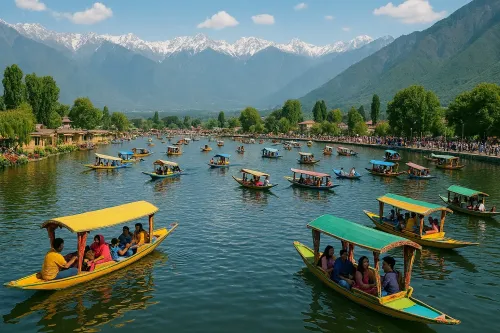
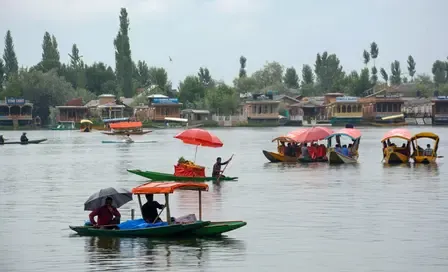
Washington, Feb 6 (NationPress) The revocation of the special status of Jammu and Kashmir under Article 370 has initiated a transformative phase for the region, with India advancing top-notch infrastructure and embracing inclusive governance. In stark contrast, the areas in Pakistan's illegal occupation continue to grapple with inflation and oppression.
The thriving environment of Jammu and Kashmir stands as a robust counter to decades of Pakistani rhetoric, highlighted in a recent report.
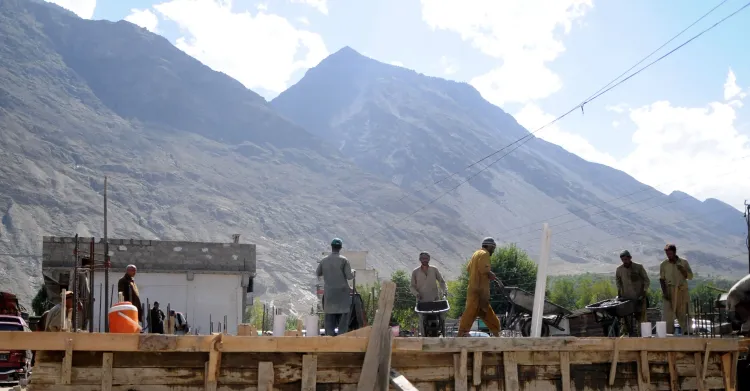
As noted in the Eurasia Review report, the disparity across the Line of Control (LoC) is glaringly apparent. Jammu and Kashmir is integrating into the global economy by hosting international events and developing a first-rate healthcare system. On the other side, Pakistan-occupied Jammu and Kashmir (PoJ&K) is described as a 'political black hole', where any questioning of its coerced integration into Pakistan is met with severe consequences.
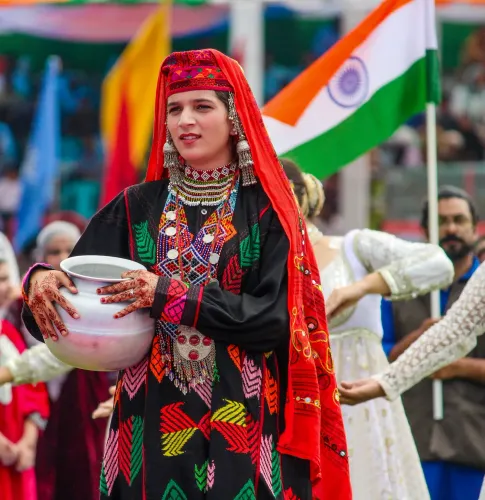
“The year 2019 represented a pivotal moment in India's history. The abrogation of Article 370 was not just a legal alteration; it dismantled a barrier that had long kept the residents of Jammu and Kashmir detached from India's developmental journey. A stroll through the vibrant markets of Srinagar and the industrial areas of Jammu narrates a story of revival. In contrast, across the LoC in PoJ&K, the situation is characterized by ongoing exploitation, growing tensions, and a faltering economy,” the report elaborated.
The report emphasized that the 2024 Assembly elections in Jammu and Kashmir, witnessing a 63 percent voter turnout, served as a crucial litmus test, yielding a decisive verdict where the populace favored 'ballot over bullet'.
“This was more than an election; it was a public farewell to the Pakistan-backed claim that ‘Kashmiris reject Indian democracy.' Women, youth, and marginalized groups like the West Pakistani Refugees, who had been denied voting rights for seven decades under Article 370, finally exercised their rights as equal citizens,” the report stated.
Among the notable achievements following the abrogation of Article 370 is the significant reduction in local militancy. Reports indicate that stone-pelting incidents, once a common occurrence fueled by cross-border funding, have dropped to zero.
“Although Pakistan-supported ‘hybrid militants’ continue to make desperate attempts, such as the unfortunate April 2025 Pahalgam incident, local recruitment for terrorist activities has reached an unprecedented low. The youth of Kashmir are no longer choosing arms; they are opting for technology,” the report noted.
“Startup incubators in Srinagar and industrial zones in Jammu are the new arenas where the future is being shaped. The rejection of Pakistan’s radicalization agenda is so thorough that even the most isolated villages are now collaborating with security forces to identify foreign infiltrators, prioritizing the peace that has enabled tourist arrivals to surpass 23 million in 2024,” it concluded.
Point of View
It is imperative to recognize the marked differences between the developmental progress in Jammu and Kashmir after the abrogation of Article 370 and the dismal conditions in Pakistan-occupied areas. The narratives emerging from this region reflect a significant shift towards democratic engagement and economic growth, underscoring the importance of governance that respects the rights of its citizens.
NationPress
23 Sept 2026
Frequently Asked Questions
What led to the abrogation of Article 370?
The abrogation of Article 370 was aimed at integrating Jammu and Kashmir fully into India, ensuring equal rights and fostering development.
How has the situation changed in Jammu and Kashmir since 2019?
Since 2019, Jammu and Kashmir has seen significant development in infrastructure, healthcare, and a rise in democratic engagement.
What is the current status of militancy in Jammu and Kashmir?
Local militancy has significantly declined, with incidents of stone-pelting reportedly reducing to zero.
How are local communities responding to security issues?
Communities are cooperating with security forces to identify threats, prioritizing peace and stability in the region.
What impact have the elections had on Jammu and Kashmir's political landscape?
The elections have demonstrated a strong public desire for democratic participation, with a significant voter turnout reflecting the people's choice.