Smriti Irani Links Jantar Mantar Protest to Gene Sharp Playbook

Synopsis
BJP leader Smriti Irani alleged on 8 August 2026 that a protest at Delhi's Jantar Mantar bore an 'uncanny resemblance' to the civil-resistance methods outlined by American scholar Gene Sharp, framing the demonstration as scripted rather than organic.
Key Takeaways
Smriti Irani posted on 8 August 2026 that the protest at Jantar Mantar resembled Gene Sharp's documented playbook of nonviolent action.
Gene Sharp catalogued 198 methods of nonviolent resistance in works widely studied by protest movements globally.
The Gene Sharp reference is a recurring BJP rhetorical device used to frame opposition mobilisation as externally inspired rather than driven by genuine grievances.
Jantar Mantar in central Delhi has served for decades as the capital's primary designated protest corridor, carrying significant symbolic and political weight.
The specific protest event, its organisers, and their demands have not been independently detailed in Irani's post.
Opposition reactions and possible parliamentary references in upcoming sessions are expected to follow.
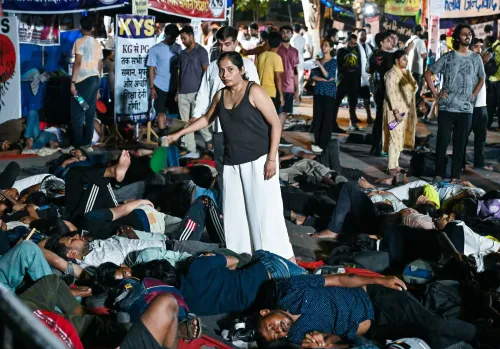
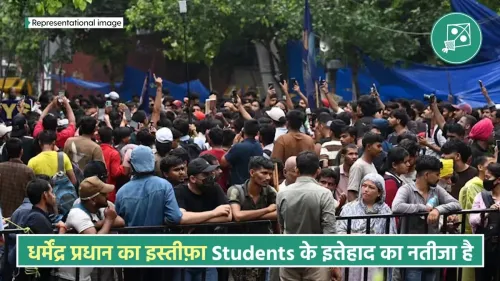
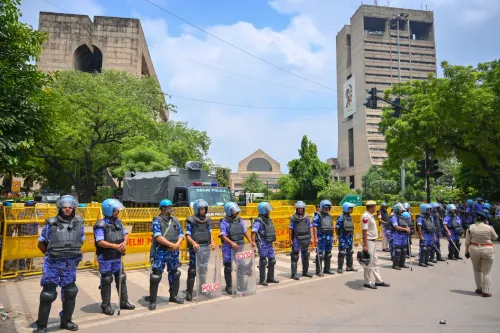
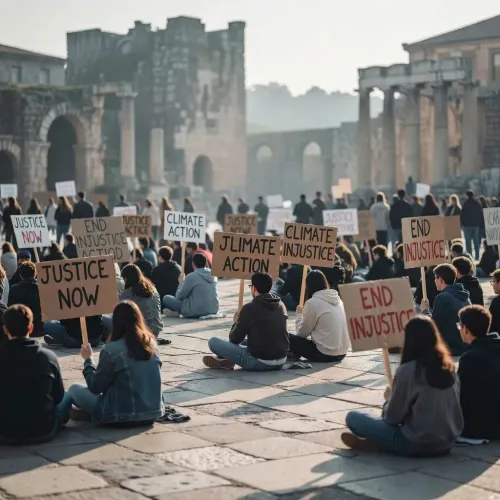
A protest at one of Delhi's most politically charged addresses has drawn a sharp accusation from BJP leader Smriti Irani — that what unfolded at Jantar Mantar on 8 August 2026 was not spontaneous dissent, but a choreographed exercise lifted straight from a foreign manual of civil resistance.
The Gene Sharp Charge — and What It Means
Gene Sharp, the late American political scientist, spent decades cataloguing 198 methods of nonviolent action in works such as From Dictatorship to Democracy. His writings became required reading for pro-democracy movements from Serbia to Egypt — and, critics argue, a toolkit that can be studied, replicated, and deployed anywhere with a grievance and a gathering point. Irani's post is unambiguous: she sees his 'playbook' at work on Indian soil.
The implication is pointed. Invoking Sharp is not a neutral academic reference — it is a well-worn BJP rhetorical frame that casts organised opposition mobilisation as externally inspired rather than rooted in genuine public anger. By naming Sharp explicitly, Irani signals that the protest was, in her reading, structured, scripted, and borrowed.
Jantar Mantar as India's Permanent Stage for Dissent
Jantar Mantar, the 18th-century astronomical observatory in central Delhi, has functioned for decades as the capital's designated protest corridor — a space where farmers, trade unionists, students, and opposition parties have all staged campaigns. Its symbolic weight is enormous: proximity to Parliament and Connaught Place makes any demonstration there impossible to ignore. That is precisely why it has also become a recurring flashpoint in the BJP government's narrative about manufactured agitation.
Indian political discourse has periodically reached for the Gene Sharp reference during periods of sustained opposition mobilisation in the capital. Successive governments have used the frame to question whether civil society campaigns reflect organic grievances or follow an external script. Irani's post lands squarely in that tradition — but with the added sharpness of a single, confident sentence that leaves the reader to fill in the rest.
What the Opposition and Observers Will Say Next
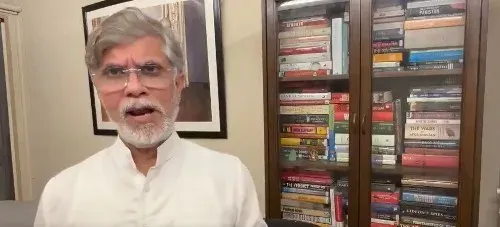
The post, carrying a video, is almost certain to draw counter-responses from opposition parties who will argue that the Gene Sharp accusation is itself a playbook move — a way to delegitimise protest without engaging its substance. The specific protest event and its organisers' demands remain the missing piece: without those details, the charge floats without a named target, which may be deliberate. Watch for BJP follow-up statements and any parliamentary echo when the next session convenes.
One thing is already clear: Smriti Irani has opened a line of attack that reframes a protest into a geopolitical question — and that reframing, not the demonstration itself, is now the story.
Point of View
Not a casual observation — it shifts the conversation from the protest's demands to its alleged methodology and inspiration, a move designed to put the opposition on the defensive. This framing has a long BJP precedent: labelling sustained civil agitation as 'foreign-scripted' has been used to question the legitimacy of mass mobilisation without directly engaging its content. The August 2026 post arrives at a moment when the BJP appears keen to contest the narrative architecture of street politics, not just its policy substance. If the opposition fails to name the specific grievances loudly, Irani's frame may well dominate the news cycle.
NationPress
8 Aug 2026
Frequently Asked Questions
What did Smriti Irani say about the Jantar Mantar protest?
Smriti Irani posted on 8 August 2026 that what she witnessed at Jantar Mantar bore an 'uncanny resemblance' to Gene Sharp's playbook — a reference to Sharp's documented methods of organised nonviolent civil resistance.
Who is Gene Sharp and why is he significant in Indian politics?
Gene Sharp was an American political scientist who catalogued 198 methods of nonviolent action, most famously in 'From Dictatorship to Democracy'. His work has been referenced in Indian political discourse by ruling-party leaders to suggest that certain protest campaigns follow an external, pre-designed script rather than arising from organic public sentiment.
Why is Jantar Mantar a politically significant protest site?
Jantar Mantar in central Delhi is the city's designated protest corridor, located close to Parliament. Its proximity to the seat of government makes demonstrations there highly visible, which is why it has been the venue for major agitations by farmers, students, and opposition parties over several decades.
What is the BJP's broader pattern of using the Gene Sharp argument?
Successive governments, including the BJP, have periodically invoked Gene Sharp's name to frame sustained opposition mobilisation in Delhi as externally inspired rather than driven by genuine grievances. The argument is used to question the authenticity of organised protest campaigns.
What happens next after Smriti Irani's post on the Jantar Mantar protest?
Political observers expect counter-responses from opposition parties defending the protest's legitimacy, along with possible follow-up statements from BJP spokespersons. The issue could also surface as a parliamentary reference in the next legislative session.