CM Naidu Reviews Jaladhara-Jalaharati Via Video Conference
Synopsis
Andhra Pradesh CM N. Chandrababu Naidu reviewed the Jaladhara-Jalaharati water conservation programme on August 8, 2026, directing officials to store drinking water in specific reservoirs and prepare Nagarjuna Sagar canal allocations as El Niño impact exceeds projections. Of 82,865 identified works worth Rs 3,409.35 crore, 79,826 have been completed.
Key Takeaways
82,865 works identified under Jaladhara-Jalaharati; 79,826 completed as of the review date.
Total sanctioned outlay stands at Rs 3,409.35 crore .
CM Naidu ordered drinking water storage in Veligodu, Gorakalu, Avuku, Zeedipalli, and Cherlopalli reservoirs.
Nagarjuna Sagar canal water allocation schedules to be readied in advance for district-level drinking water needs.
El Niño impact has exceeded initial projections , prompting continuous, uninterrupted programme implementation.
Review attended by Minister Nimmala Ramanaidu , heads of Irrigation, Agriculture and Panchayati Raj departments, and district collectors.
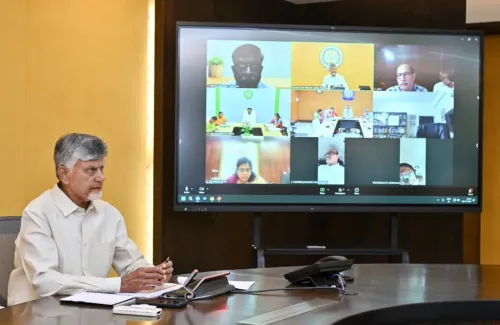
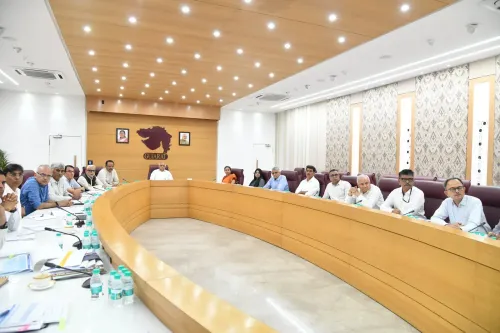
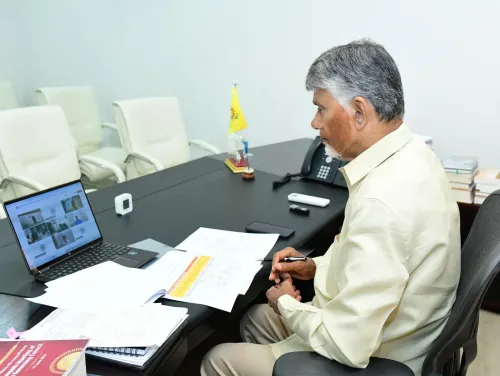
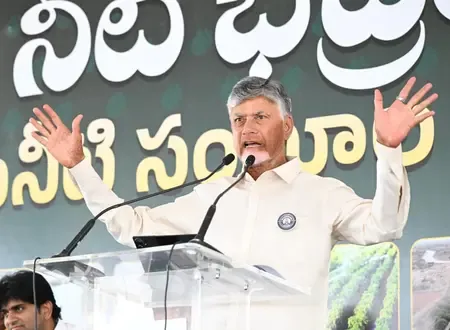
With El Niño bearing down harder than forecast models predicted, Andhra Pradesh Chief Minister N. Chandrababu Naidu convened an urgent video conference on Saturday, August 8, 2026 to review the state's flagship water conservation drive — the Jaladhara-Jalaharati programme — and issued sharp, specific directives to shore up drinking water reserves and protect standing crops before conditions worsen.
82,865 Works, One Overriding Urgency
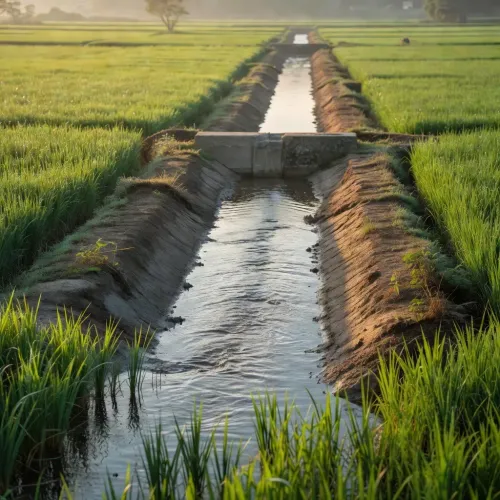
The scale of the programme is considerable. Under Jaladhara-Jalaharati, a total of 82,865 works were identified across the state. Of these, works worth Rs 3,409.35 crore have been sanctioned, and 79,826 works have already been completed — a completion rate that signals aggressive ground-level execution. The works span tank desilting, feeder channel restoration, farm pond construction, and trench excavation, all carried out on a war footing.
Reservoirs on Alert: From Veligodu to Nagarjuna Sagar
Naidu's directives zeroed in on specific reservoirs by name — a signal that the review went well beyond broad policy talk. The Chief Minister ordered that drinking water be stored in Veligodu, Gorakalu, Avuku, Zeedipalli, and Cherlopalli reservoirs to meet scarcity-period needs. He also directed that water allocation schedules through Nagarjuna Sagar canals be readied in advance to serve drinking water requirements across multiple districts.
The instruction to prepare allocation plans ahead of time — rather than respond reactively — reflects an administrative posture shaped by years of managing monsoon volatility in a state heavily dependent on both major reservoirs and minor irrigation tanks.
El Niño as the Forcing Function
The Chief Minister was direct about the threat driving the urgency: El Niño's impact has exceeded initial projections. Naidu directed officials to maintain continuous, uninterrupted implementation of the Jaladhara-Jalaharati programme, with special focus on three fronts — water resource conservation, drinking water supply, and crop protection. The message was clear: the margin for administrative delay has narrowed.
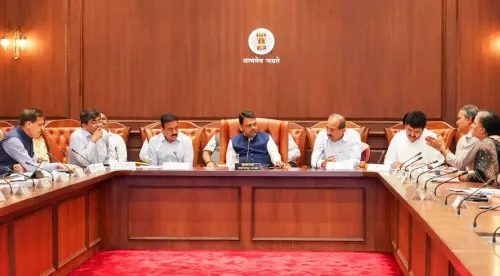
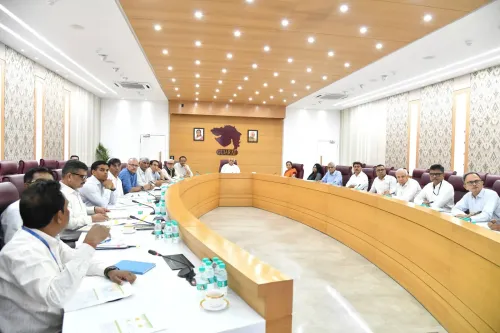
The review was attended by Minister Nimmala Ramanaidu, senior officials from the Irrigation, Agriculture, and Panchayati Raj departments, and district collectors from across Andhra Pradesh — the full administrative chain required to translate state-level directives into village-level action.
With rabi season water allocation decisions approaching and reservoirs under pressure, how quickly district machinery converts these directives into stored water will determine whether Andhra Pradesh's rural households and farmers weather the El Niño season or face a harder reckoning.
Point of View
Not reacting. The broader arc here is significant: as El Niño disrupts monsoon patterns across peninsular India, states that have invested in minor irrigation infrastructure are better positioned to absorb the shock — and Andhra Pradesh is making that case publicly. Watch whether the district-level execution matches the ministerial urgency, particularly as rabi sowing decisions approach.
NationPress
8 Aug 2026
Frequently Asked Questions
What is the Jaladhara-Jalaharati programme in Andhra Pradesh?
Jaladhara-Jalaharati is a state-level water conservation programme in Andhra Pradesh that covers desilting of tanks, restoration of feeder channels, construction of farm ponds, and trench excavation to improve water harvesting and storage across the state.
How many works have been completed under Jaladhara-Jalaharati?
Of the 82,865 works identified under the programme, 79,826 have been completed , with a total sanctioned outlay of Rs 3,409.35 crore .
Which reservoirs did CM Naidu direct for drinking water storage?
CM Naidu directed that drinking water be stored in the Veligodu, Gorakalu, Avuku, Zeedipalli, and Cherlopalli reservoirs to meet scarcity-period needs across Andhra Pradesh.
Why did Chandrababu Naidu call the Jaladhara-Jalaharati review?
The review was called because El Niño's impact on Andhra Pradesh has exceeded initial projections, threatening drinking water supply and standing crops, requiring urgent administrative action on water conservation and reservoir storage.
What is the role of Nagarjuna Sagar canals in Andhra Pradesh's water plan?
Nagarjuna Sagar is a major reservoir and canal system in Andhra Pradesh. CM Naidu directed that water allocation schedules through its canals be prepared in advance to meet drinking water requirements across multiple districts.