Debate Sparks After Japanese Woman's Marathi Learning Video, Raj Thackeray Responds

Synopsis
A video of a Japanese woman learning Marathi has sparked discussions on cultural respect and identity in Maharashtra. Raj Thackeray weighs in on the importance of the local language, comparing the efforts of foreigners to some locals' attitudes.
Key Takeaways
A viral video showcases a Japanese woman learning Marathi.
Raj Thackeray emphasizes the importance of linguistic respect .
Foreign visitors often show more interest in local culture.
Thackeray criticizes attempts to downplay the significance of Marathi.
Promoting Marathi as a language of economic opportunity is vital for its future.
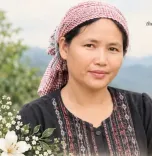
Mumbai, February 24 (NationPress) A trending video featuring a young Japanese woman residing in Maharashtra has ignited a broader conversation about linguistic appreciation and the cultural identity of the state.
This woman, who shares her journey of learning one new Marathi word daily, has sparked discussions on why some non-natives seem more invested in local culture than some locals.
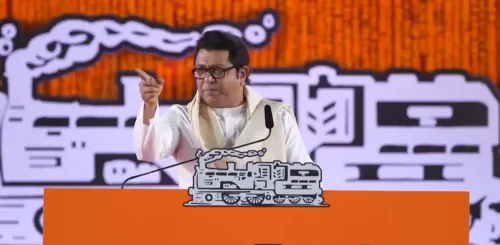
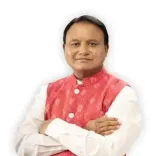
In reference to the video, Raj Thackeray, the leader of the Maharashtra Navnirman Sena, stated on Tuesday that international visitors frequently acknowledge Marathi as the region's main language. Whether they are here for a short visit or to establish their careers, many make a conscious effort to learn the language or at least show it the respect it deserves. He remarked that this enthusiasm often extends to Marathi theatre, cuisine, and history.
“When we converse with them in our native language, it brings them joy,” he noted, emphasizing that this respect remains intact even as these travelers journey across India.
In a post on X, Thackeray highlighted examples of linguistic engagement by public figures.
“During their latest concert in Navi Mumbai, lead vocalist Chris Martin addressed the large audience in Marathi, recognizing it as the state's official language. Most visiting heads of state and foreign consulates in Mumbai use Marathi for festival greetings and ensure their staff can communicate in Marathi,” he pointed out.
He criticized a tendency among some local voices to diminish the importance of Marathi, labeling Mumbai simply as a multilingual city rather than acknowledging it as a Marathi city.
Thackeray also referenced a recent visit from the leader of the Rashtriya Swayamsevak Sangh.
“Even though he is Marathi and in Maharashtra, the leader’s decision not to converse in the local language was met with disappointment. This was contrasted with the late K. S. Sudarshan, who, despite his upbringing in Raipur, maintained a profound connection with his roots and always spoke Kannada during his visits to Karnataka,” he remarked.
Addressing Marathi speakers, Thackeray suggested that while foreign nationals show respect for the language, promoting its wider use locally requires economic strength. “Let us transform our language into a tool for knowledge and economic opportunity. This way, people will have no choice but to learn it,” he urged.
He expressed gratitude to the Japanese woman for her seemingly simple yet impactful gesture towards Marathi culture.
Point of View
This incident illustrates a growing awareness of cultural identity and the importance of local languages. The reactions from both the public and political figures indicate a desire to promote and preserve Marathi culture in a rapidly globalizing world.
NationPress
15 Oct 2026
Frequently Asked Questions
What sparked the debate about Marathi culture?
A viral video featuring a Japanese woman learning Marathi ignited discussions about linguistic respect and cultural identity in Maharashtra.
Who is Raj Thackeray?
Raj Thackeray is the leader of the Maharashtra Navnirman Sena, a political party in Maharashtra, India.
Why is learning Marathi important according to Thackeray?
Thackeray emphasizes that understanding and respecting Marathi can foster a deeper connection to the culture and community.
What examples did Thackeray provide of cultural respect?
He mentioned foreign visitors, including Chris Martin, who engage with the local language during public events.
How does Thackeray propose to encourage Marathi use?
He suggests that economic opportunities tied to the language could promote its wider adoption among locals.