Jharkhand Assembly resolution seeks MMDR Amendment Act rollback
Synopsis
Jharkhand has formally challenged the Centre's mining law. Hemant Soren's Assembly resolution casts mining compensation as a constitutional right, not a handout. On Constitution Day, he also questioned the SIR of electoral rolls and the Election Commission, as BJP MLAs walked out.
Key Takeaways
The Jharkhand Assembly passed a resolution on 26 November 2026 seeking withdrawal or review of the MMDR Amendment Act .
CM Hemant Soren moved the resolution on the second day of a two-day special session .
Soren alleged the Centre amended the law to curb Jharkhand's rights after its compensation demand gained momentum.
BJP legislators accused the government of misleading people and staged a walkout.
Soren said the state does not oppose the SIR of electoral rolls but wants local conditions considered, and claimed genuine voters' names were deleted.
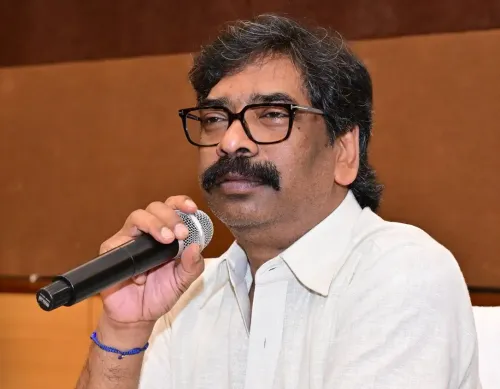
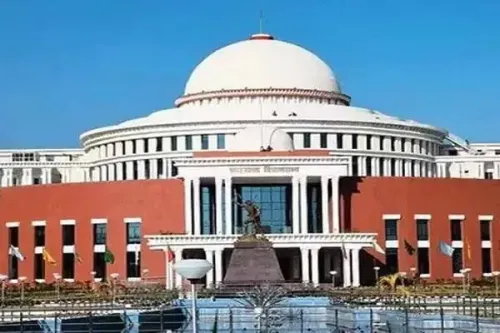
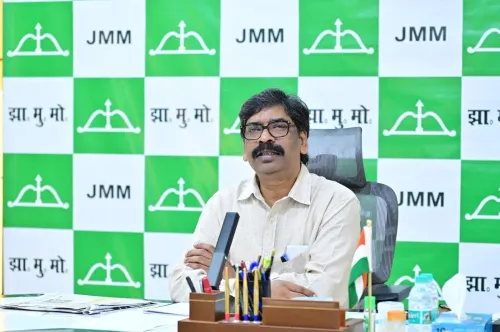
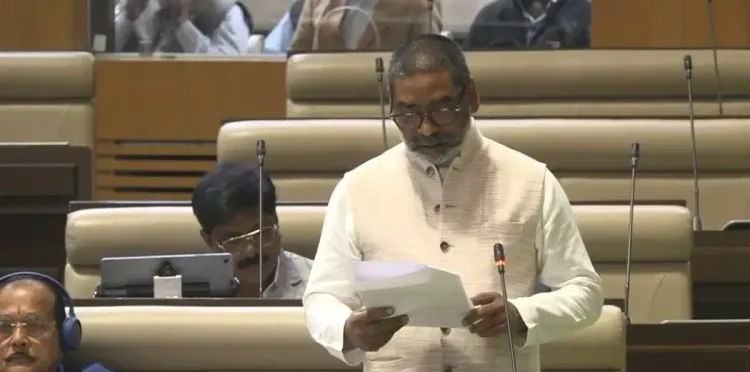
The Jharkhand Assembly on Thursday, 26 November 2026, passed a resolution urging the Centre to withdraw or reconsider the Mines and Minerals (Development and Regulation) Amendment Act. Chief Minister Hemant Soren told the House in Ranchi that compensation for damage caused by mineral extraction was the state's right, not charity.
Soren moved the resolution on the second day of the Assembly's two-day special session, which coincided with Constitution Day. His speech also took aim at the Special Intensive Revision (SIR) of electoral rolls and what he called the Centre's push towards centralisation.
Key Developments in the House
Replying to the debate on the resolution, Soren said Jharkhand had fought a legal battle to secure compensation for the damage caused by mining. He alleged that the Centre amended the law to restrict the state's rights once Jharkhand's demand for compensation gained momentum.
“The compensation amount is our right. This is not about additional money coming into the state treasury; it is about making up for the damage caused by mining,” Soren said.
During the Chief Minister's address, legislators of the Bharatiya Janata Party (BJP) accused the state government of misleading people over the MMDR Act and walked out of the House.
Concerns Over Electoral Roll Revision
Soren also raised concerns about the Special Intensive Revision (SIR) of electoral rolls. He said the state government did not oppose the exercise but wanted it to account for local conditions.
He said Jharkhand had distinct social, geographical and linguistic circumstances. In several villages, he said, residents had never visited their district headquarters. Carrying out the exercise without considering such ground realities could create difficulties for people in remote areas, he argued.
The Chief Minister noted that the Constitution grants voting rights even to illiterate citizens. He stressed that every vote carries equal value in a democracy, whatever a person's economic status.
“The vote of a person who pulls a handcart and that of a big industrialist have equal value in a democracy,” he said.
Soren claimed that the names of genuine and eligible voters had been deleted from electoral rolls. He also questioned the functioning of the Election Commission of India (ECI), saying no one was willing to respond when questions were raised about the poll body.
Centre-State Friction on Constitution Day
Soren expressed displeasure over the BJP walkout. He said it was a matter of concern that the Opposition left the House during a discussion on sensitive constitutional matters.
He criticised what he described as the Centre's growing tendency towards ‘centralisation’ and argued that states must be allowed to exercise their constitutional rights. Referring to the Preamble, he said the words ‘We, the People of India’ carry a wide and inclusive meaning. In his view, the Constitution guarantees rights to citizens and also empowers states to protect their constitutional entitlements.
“Jharkhand does not want to become an obstacle to the country's development, but any attempt to curtail the rights of the state cannot be accepted,” he said.
What Happens Next
This comes amid a long-running tussle between mineral-rich states and the Centre over revenue from natural resources. The issue gained momentum after the Supreme Court's 2024 nine-judge bench verdict upheld the power of states to tax mineral-bearing land.
The Assembly resolution has no binding force on Parliament. It does, however, formally record Jharkhand's position and could intensify political pressure on the Centre as the debate over the mining law and the electoral roll revision continues.
Point of View
And that is the real story here. Mineral-rich states have long argued they absorb the ecological and social cost of extraction while revenue flows elsewhere. The Supreme Court's 2024 ruling gave that argument legal heft, which makes any legislative move seen as diluting it politically explosive. The BJP walkout lets the debate harden along party lines. Yet the underlying question of fair compensation for mining-hit communities deserves an answer from both sides, beyond a war of resolutions.
NationPress
26 Nov 2026
Frequently Asked Questions
What resolution did the Jharkhand Assembly pass on 26 November 2026?
The Jharkhand Assembly passed a resolution seeking the withdrawal or reconsideration of the Centre's Mines and Minerals (Development and Regulation) Amendment Act. Chief Minister Hemant Soren moved it on the second day of a two-day special session.
Why does Hemant Soren oppose the MMDR Amendment Act?
Soren alleged that the Centre amended the law to restrict Jharkhand's rights after the state's demand for compensation over mining damage gained momentum. He said the compensation is the state's right and not charity.
How did the BJP respond to the resolution?
BJP legislators accused the state government of misleading people over the MMDR Act and staged a walkout during the Chief Minister's address. Soren called the walkout a matter of concern.
What did Hemant Soren say about the SIR of electoral rolls?
Soren said the state is not opposed to the Special Intensive Revision but wants local social, geographical and linguistic conditions taken into account. He also claimed that names of genuine voters had been deleted and questioned the Election Commission's functioning.
Is the Jharkhand Assembly resolution binding on the Centre?
No, a state Assembly resolution is not binding on Parliament or the Union government. It formally records the state's position and adds political pressure for a review of the law.