Jharkhand CMO: Clay art gets new identity on Foundation Day
Synopsis
The Jharkhand Chief Minister's Office said State Foundation Day 2026 is giving clay art a new identity. It named the Mati Kala Board as the channel for potter's wheels, training and markets, and pointed to artisans Ajay Prajapati of Bokaro and Neeraj of Ranchi as examples of the craft moving forward with government support.
Key Takeaways
The Chief Minister's Office of Jharkhand posted on 27 November 2026 that clay art is getting a new identity on State Foundation Day 2026 .
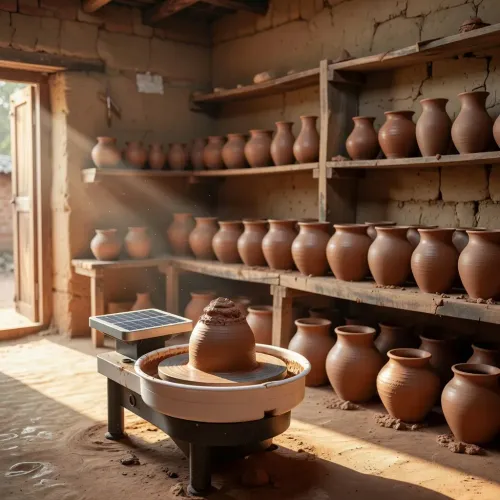
The office said the Jharkhand Mati Kala Board is supplying potter's wheels ( chak ), training and markets.
Artisans named in the post are Ajay Prajapati of Bokaro and Neeraj of Ranchi.
Jharkhand was formed on 15 November 2000 ; terracotta sits in a longer folk-art support tradition.
The post did not announce a budget, enrolment numbers or a new scheme notification.
Clay is being recast as a livelihood story, not a museum piece. On 27 November 2026, the Chief Minister's Office of Jharkhand said State Foundation Day 2026 is giving soil-based craft a new identity, with potter's wheels, training and markets reaching artisans in Bokaro and Ranchi.
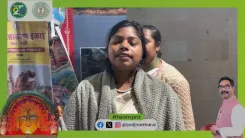
The Hindi post put the claim in one breath: मिट्टी कला को नई पहचान मिल रही है (clay art is getting a new identity). Through the Jharkhand Mati Kala Board, the office said, the government is supplying chak (potter's wheels), training and a market. Two working potters are named as the human proof — Ajay Prajapati of Bokaro and Neeraj of Ranchi — describing how the traditional craft is moving forward with state support.
Wheels, training and a market for matti kala
This is not a budget speech. It is a Foundation Day pitch that treats the potter's wheel as infrastructure. The CMO framed the board as the delivery channel: equipment first, then skill, then a place to sell. That sequence matters in a craft where the kiln is only as useful as the buyer at the other end.
What the message does not do is list enrolments, a scheme outlay, or a new notification. It stakes the claim on access — wheels in the workshop, training at the bench, and a market beyond the village fair.
Ajay Prajapati of Bokaro and Neeraj of Ranchi
The post refuses to leave the story in the abstract. It points to Ajay Prajapati in industrial Bokaro, a district that still holds craft communities beside steel and coal, and to Neeraj in Ranchi, the capital where state artisan programmes are typically staged. In the CMO's telling, they are the ones explaining how government help is carrying the art forward.
That choice of names is the politics of the clip: Foundation Day as a craftsman's testimony, not a podium recitation.
After 2000, folk crafts as state identity
Jharkhand was carved out of Bihar on 15 November 2000. After that cut, successive governments have run schemes to document and support tribal and folk arts, including terracotta. Several Indian states have built dedicated craft boards so rural artisans can reach wheels, training and sales channels — a pattern that tries to keep a livelihood alive while putting regional handicrafts on the Foundation Day stage.
If the wheels and the markets actually reach the kiln, 2026's clay-art pitch will have done more than decorate a calendar.
Point of View
Not only a date. Dedicated craft boards are a familiar pattern across states: preserve the form, subsidise the tool, chase a market. The test is whether Bokaro and Ranchi remain two named artisans or become a wider pipeline of wheels and buyers.
NationPress
28 Nov 2026
Frequently Asked Questions
When is Jharkhand State Foundation Day?
Jharkhand marks State Foundation Day on 15 November, the date in 2000 when the state was carved out of Bihar. The CMO post of 27 November 2026 tied clay-art support to Foundation Day 2026.
What did the Jharkhand CMO say the government is providing to clay artisans?
Potter's wheels (chak), training and markets, delivered through the Jharkhand Mati Kala Board, according to the 27 November 2026 post. The message did not list a budget or the number of artisans covered.
Who are Ajay Prajapati and Neeraj in the Jharkhand clay-art post?
They are the two artisans named by the Chief Minister's Office — Ajay Prajapati of Bokaro and Neeraj of Ranchi — as craftspeople describing how traditional clay art is progressing with government support.
What is the Jharkhand Mati Kala Board according to the CMO?
The CMO described it as the body through which the state is providing wheels, training and market access to clay artisans. The post did not set out a legal mandate, budget or enrolment figures.
Why does Jharkhand promote terracotta and clay crafts?
The state has a large tribal and rural craft tradition, including terracotta. Since statehood in 2000, successive governments have used folk-art schemes and craft boards to protect skills while supporting livelihoods.